Video Recording Laws in Arizona: What You Need to Know
Arizona is a place where people value both freedom and privacy. With smartphones everywhere, recording videos has become easy and common. But the laws around video recording in Arizona can be confusing. Many residents and visitors wonder: “Is it legal to record someone in public? What about at work? Can I record a conversation without telling the other person?” Understanding these rules is important. Recording without knowing the law can lead to legal trouble—or even criminal charges.
This article explores video recording laws in Arizona, breaking down the rules for public, private, and workplace settings. You’ll find practical examples, helpful data, and clear comparisons to other states. Whether you’re a citizen, business owner, or just curious, you’ll get the answers you need to stay safe and legal.
Arizona’s Video Recording Laws: The Basics
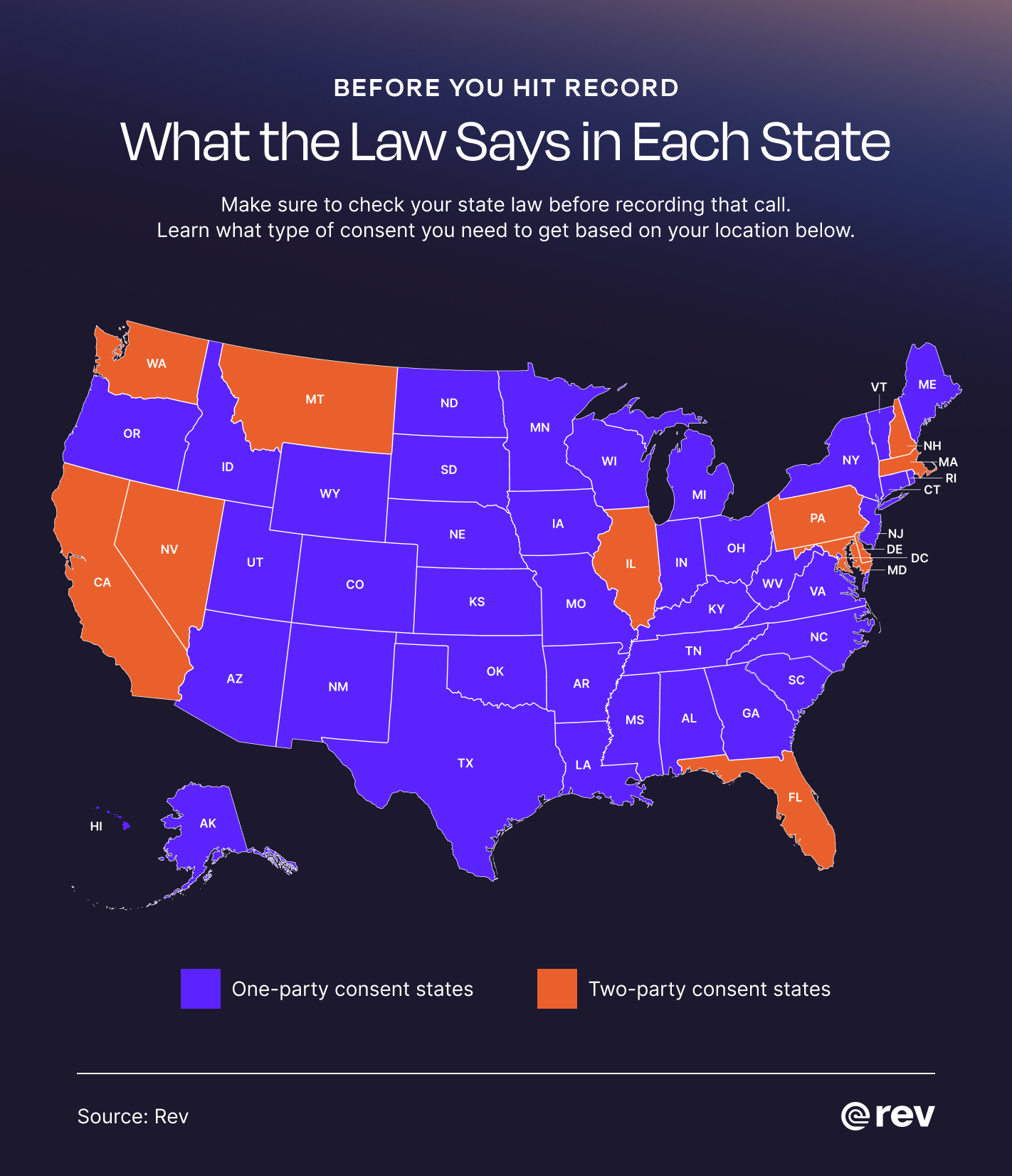
Arizona follows one-party consent for audio recordings. This means that if one person in a conversation agrees to record, it’s legal—even if the other person doesn’t know. However, video recording is different. While public places are usually fair game, private spaces and certain situations have strict rules.
The main law comes from Arizona Revised Statutes (ARS) §13-3005, which covers both audio and video “interceptions.” The law protects people’s privacy, especially in places where they expect it—like homes, bathrooms, and locker rooms.
One-party Consent For Audio, Not Always Video
- Audio: Only one person needs to agree to record.
- Video: Recording is allowed in public, but not in private areas without permission.
What Is “expectation Of Privacy”?
Arizona law uses the idea of expectation of privacy. If someone reasonably expects privacy, recording them is illegal without consent. This covers places like homes, hotel rooms, and restrooms.
Penalties For Illegal Recording
Violating these laws can lead to misdemeanor or felony charges. Fines, jail time, and civil lawsuits are possible. The severity depends on how serious the invasion was and where it happened.
Recording In Public Vs. Private Places
Knowing the difference between public and private spaces is key. Arizona law protects people more in private areas.
| Location | Legal to Record? | Consent Needed? |
|---|---|---|
| Public park | Yes | No |
| Restaurant (public area) | Yes | No |
| Home (someone else’s) | No | Yes |
| Bathroom | No | Yes |
| Hotel room | No | Yes |
Examples In Real Life
- Filming a street performer in Phoenix is legal.
- Recording in a gym locker room without permission is illegal.
- Using a hidden camera in someone’s bedroom is a crime.
Many beginners think it’s okay to record anywhere as long as they’re present. This is not true—private spaces are always protected.
Credit: www.rev.com
Workplace Video Recording
Workplaces in Arizona have special rules. Employers often use security cameras. But workers’ privacy must be respected.
Where Can Employers Use Cameras?
- Entrances and public areas: Allowed
- Bathrooms, changing rooms: Not allowed
- Office spaces: Allowed with notice
Employers must tell workers about cameras. Hidden cameras in private areas are illegal. Employees also can’t secretly record coworkers in private spaces.
Employee Rights
Arizona workers have the right to know if they’re being recorded. If an employer secretly records in a bathroom, it’s a serious violation.
Comparison To Other States
Arizona’s rules are less strict than California, which requires two-party consent for many recordings. But they are tougher than Texas, where almost all public recording is allowed.
| State | Audio Recording Consent | Video Recording in Private Areas |
|---|---|---|
| Arizona | One-party | Prohibited |
| California | Two-party | Prohibited |
| Texas | One-party | Allowed (with limits) |
Recording Police And Government Officials
Many people want to record police or public officials. Arizona law allows this, but with limits.
Public Spaces
You can record police if you don’t interfere. Standing back and filming is legal. But getting in the way or hiding the camera can lead to problems.
In 2022, Arizona lawmakers tried to ban recording police within 8 feet. However, this law was blocked by a federal judge for violating free speech rights.
Private Spaces
Recording officials in private areas needs consent. For example, filming a police interview in your home is only legal if you are part of the conversation or have permission.
Hidden Cameras And Surveillance
Arizona has strict rules against hidden cameras in places where people expect privacy. This includes bathrooms, bedrooms, and changing rooms.
What Counts As A Hidden Camera?
Any camera that is not obvious—like a camera in a clock or smoke detector—is considered hidden. Using these in private spaces is illegal.
Home Surveillance
Homeowners can use cameras for security. But cameras should not record neighbors’ private spaces or areas like bathrooms. Recording children or guests without their knowledge can cause legal issues.
Recording Minors
Recording children has extra rules. Parents can record their own kids at home. But recording other children, especially in private settings, needs consent from the parent or guardian.
Schools And Childcare Centers
Schools must follow strict privacy laws. Arizona schools usually require parental consent before recording students. Hidden cameras in classrooms are not allowed without clear notice.

Credit: getsafeandsound.com
Posting And Sharing Videos
Recording is only half the story. Sharing videos online is another legal issue.
Privacy Laws And Social Media
Posting videos of people in private areas can lead to lawsuits. Arizona’s right to privacy covers both recording and sharing. Even if a video is legal, sharing it without consent can cause trouble.
Revenge Porn And Harassment
Arizona has special laws against revenge porn—sharing intimate videos without consent. This is a felony. Sharing videos to harass or threaten someone is also illegal.
Law Enforcement Surveillance
Police in Arizona must follow strict rules when using video for investigations. They often need a warrant to install cameras in private spaces.
Body Cameras
Police body cameras are legal and common. However, the footage is protected by privacy laws. Officers can’t release video of private conversations without following strict guidelines.
Common Mistakes And Misconceptions
Many people in Arizona make mistakes with video recording laws. Here are some common errors:
- Recording in private spaces without asking: Always get consent.
- Assuming public recording is always legal: Not true if you invade someone’s privacy.
- Posting videos online without permission: Can lead to lawsuits.
- Using hidden cameras at home: Illegal if they record private areas.
- Recording minors without parental consent: Always get permission.
Practical Tips For Legal Recording In Arizona
Staying legal is easy if you follow these tips:
- Always ask for consent in private spaces.
- Make cameras visible—don’t hide them.
- Tell employees about workplace cameras.
- Don’t record in bathrooms, bedrooms, or locker rooms.
- Get parental consent before recording minors.
- Be careful when posting videos online.
- If in doubt, ask a lawyer or check official Arizona statutes.
Arizona’s Video Recording Law Statistics
According to the Arizona Department of Public Safety:
- Over 300 cases of illegal video recording were reported in 2023.
- Most violations happened in private residences and workplaces.
- Penalties ranged from $500 fines to 2 years in jail.
These numbers show the importance of knowing the law.
Legal Exceptions And Special Situations
Some situations have exceptions:
- Security cameras in public businesses are allowed.
- News reporters can record in public, but not in private homes.
- Police need a warrant to record inside homes.
Always check if your situation fits an exception before recording.

Credit: www.lasorsa.com
Resources For Further Guidance
If you need more details, visit the official Arizona government site: Arizona Legislature.
You can also talk to a local attorney for advice.
Frequently Asked Questions
Can I Record Someone In A Public Place In Arizona?
Yes, you can record in public places like streets, parks, and restaurants. There is no expectation of privacy in these areas. But don’t record people in private spaces or invade their privacy.
Is It Legal To Use A Hidden Camera In My Home?
You can use cameras for security, but not in private areas like bathrooms or bedrooms. Hidden cameras that record guests or children without their knowledge are illegal in Arizona.
Can I Record Audio Without Telling The Other Person?
Arizona is a one-party consent state for audio. You can record a conversation if you are part of it or if one person agrees. Secretly recording audio in private spaces is still risky.
What Happens If I Illegally Record Someone?
Illegal recording can lead to criminal charges, fines, and even jail time. Victims can also sue for damages. Penalties depend on where the recording happened and how serious the violation was.
Can I Post Videos Online Without Consent?
You should never post videos of people in private areas without their consent. Even in public, posting videos to harass or threaten is illegal. Arizona has strict laws against revenge porn and privacy violations.
Understanding video recording laws in Arizona helps protect your rights and the privacy of others. With clear rules and practical tips, you can record safely and legally. Remember, when in doubt—ask for consent or seek legal guidance. This is the best way to avoid mistakes and stay on the right side of the law.

Ismail Hossain is the founder of Law Advised. He is an Divorce, Separation, marriage lawyer. Follow him.