
Carbon Monoxide Detector Laws in California: What You Must Know
Are you confident your home in California is fully protected against carbon monoxide risks? Knowing the carbon monoxide detector laws in California isn’t just about following the rules—it’s about keeping your family safe from a silent, deadly threat.
Many homeowners and renters don’t realize where detectors must be placed, how many are required, or what kind of devices meet legal standards. If you want to avoid costly fines and, more importantly, ensure your loved ones are secure, it’s essential to understand these laws inside and out.
Keep reading to discover exactly what California requires, why it matters to you, and how to make sure your home is compliant and safe.
Credit: castelblanco.com
California Co Detector Law Basics
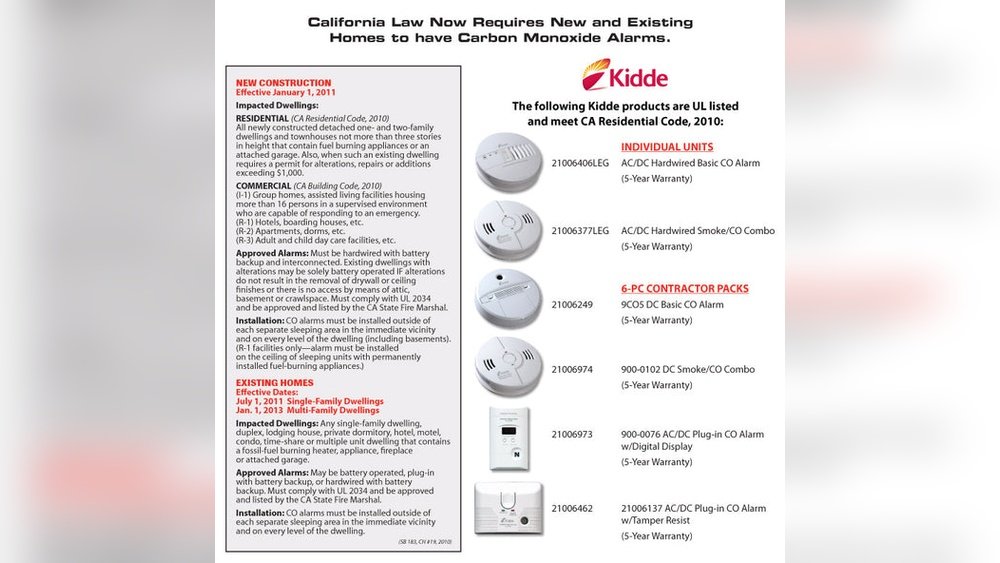
California enforces strict power and device requirements for carbon monoxide detectors. These rules ensure reliable operation and safety in homes. The law varies based on new construction or existing residences. It also sets standards for the type of detectors allowed. Understanding these requirements helps homeowners comply and protect their families effectively.
Hardwired Alarms For New Builds
New homes in California must have hardwired carbon monoxide alarms. These alarms connect directly to the home’s electrical system. They include a battery backup to work during power outages. This setup reduces the risk of detector failure. Hardwired alarms offer consistent power and long-term reliability. Builders must install them according to state codes.
Battery Options For Existing Homes
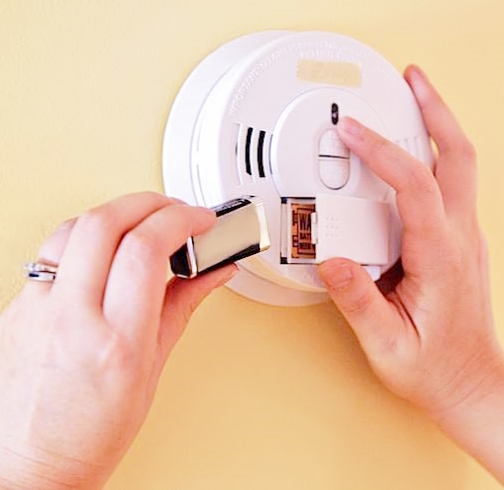
Existing homes may use battery-powered carbon monoxide detectors. These detectors are easier to install and replace. Homeowners should use units with long-life batteries. Regular battery checks and replacements remain vital. Battery-powered alarms provide flexibility, especially where hardwiring is difficult. California law requires these detectors in homes without hardwired systems.
State-approved Detector Standards
California only accepts carbon monoxide detectors that meet specific standards. Detectors must be certified by recognized testing labs. They should comply with UL 2034 or equivalent safety standards. This ensures accuracy and reliable alarm functions. Using approved devices guarantees legal compliance and effective carbon monoxide detection. Consumers should verify certifications before purchase or installation.
Credit: echo-ca.org
Where To Install Co Detectors
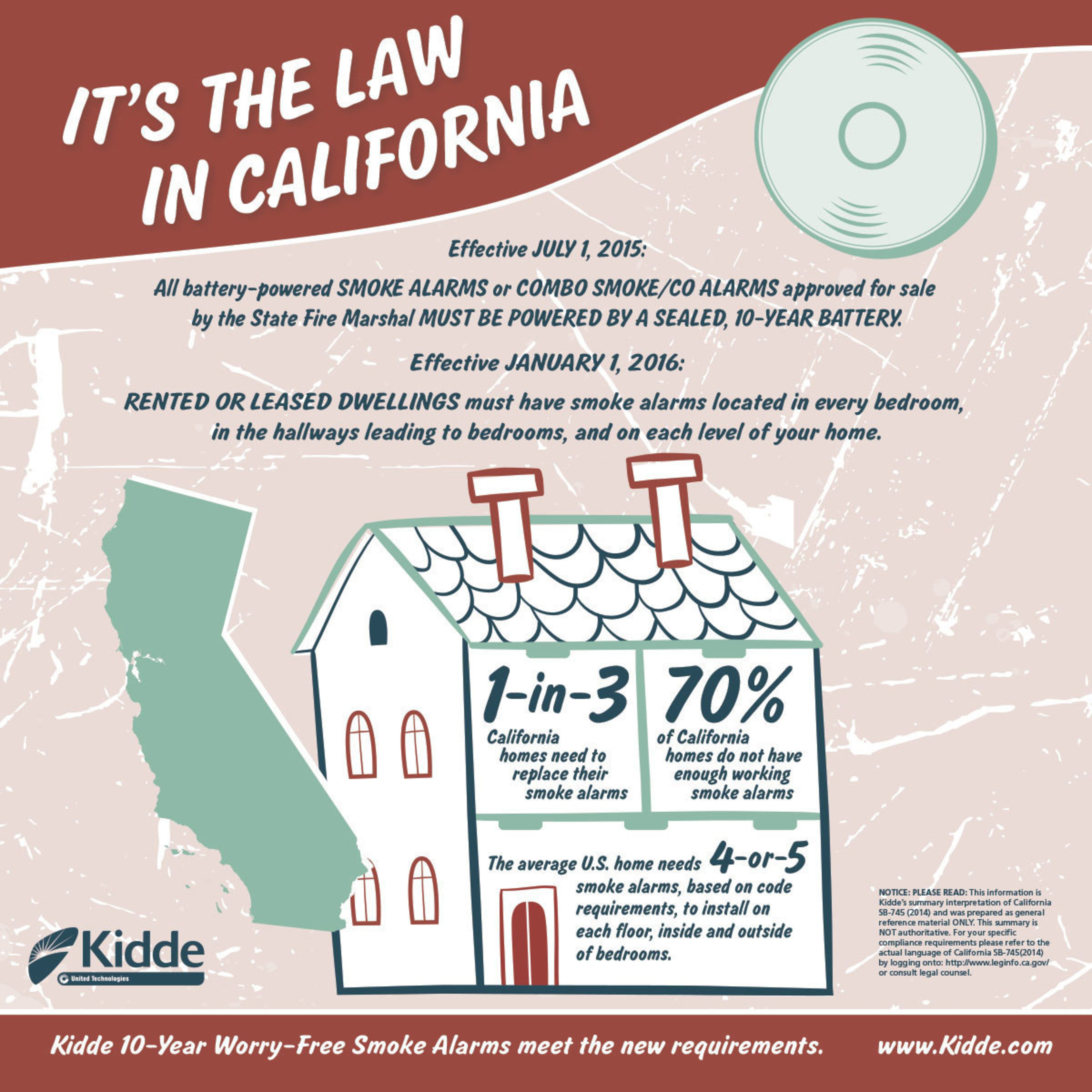
In California, landlords and tenants share important responsibilities regarding carbon monoxide detectors. These devices protect residents from the dangers of carbon monoxide poisoning. The law clearly defines what landlords must provide and what tenants must follow. Understanding these duties helps keep everyone safe in rental properties.
Tenant Notification Rules
Landlords must notify tenants about carbon monoxide detectors. This includes informing tenants when detectors are installed or replaced. Notices should explain how to test and maintain the devices. Tenants should receive these notifications in writing. Clear communication ensures tenants know how to stay safe.
Prohibition On Tampering
Tenants must not tamper with or disable carbon monoxide detectors. Tampering can put lives at risk. Landlords must warn tenants against interfering with the devices. If a detector is damaged or missing, tenants must report it immediately. Keeping detectors working properly is a shared responsibility.
Credit: www.prnewswire.com
Frequently Asked Questions
Is It Illegal To Not Have A Carbon Monoxide Detector In California?
California law requires carbon monoxide detectors in all homes with fuel-burning appliances or attached garages. Not having one is illegal.
How Many Carbon Monoxide Detectors Do You Need In A House In California?
California law requires carbon monoxide detectors outside each sleeping area and on every occupiable level, including basements. Install alarms inside bedrooms with fuel-burning appliances. New homes need hardwired detectors with battery backup; existing homes can use battery-powered or plug-in units.
Are Hotels In California Required To Have Carbon Monoxide Detectors?
California law requires hotels to install carbon monoxide detectors near sleeping areas and on every occupiable level. Devices must be operational and approved by the state.
Where Do Carbon Monoxide Detectors Need To Be Placed In California?
Place carbon monoxide detectors outside each sleeping area and on every occupiable level, including basements. Install inside bedrooms with fuel-burning appliances. California law requires approved detectors, hardwired in new homes and battery-powered in existing ones.
Is It Mandatory To Have Carbon Monoxide Detectors In California Homes?
Yes, California law requires all homes with fuel-burning appliances or attached garages to have carbon monoxide detectors installed. These devices must be operational to ensure safety.
Conclusion
California’s carbon monoxide detector laws protect lives by requiring alarms in key home areas. Every level of a house needs a detector, especially near bedrooms and fuel-burning appliances. Hardwired alarms suit new builds; battery-powered units work for older homes. These rules help prevent CO poisoning, a serious health risk.
Staying informed and compliant keeps your family safe. Don’t overlook these simple, life-saving devices. Safety starts with awareness and action.

Ismail Hossain is the founder of Law Advised. He is an Divorce, Separation, marriage lawyer. Follow him.