
Property Abandonment Laws in California: Essential Guide for Owners
Are you dealing with a property that seems forgotten, left behind, or completely abandoned in California? Understanding property abandonment laws in California is crucial to protect your rights and avoid costly mistakes.
Whether you’re a landlord facing a tenant who suddenly disappeared or an owner of vacant real estate, knowing how the law defines abandonment and what steps to take can save you time, money, and stress. You’ll discover clear answers about how long it takes for property to be legally considered abandoned, what notices you must provide, and how to handle abandoned belongings properly.
Keep reading to learn exactly what you need to do to stay on the right side of California’s property abandonment laws—and turn a confusing situation into a manageable one.

Credit: journal.firsttuesday.us
Abandonment Timeframes In California
Understanding the timeframes for property abandonment in California helps landlords and owners protect their rights. The law sets clear limits on how long a property or tenant absence must last before it is considered abandoned. These rules vary depending on the situation. This section explains key timeframes and conditions for abandonment.
Tenant Absence And Property Status
In California, a tenant may be deemed to have abandoned a rental property after a specific period of absence. Typically, if a tenant leaves their unit without notice and stops paying rent for more than 14 days, the landlord can suspect abandonment. Landlords must check the property for signs such as removed personal belongings or utilities cut off.
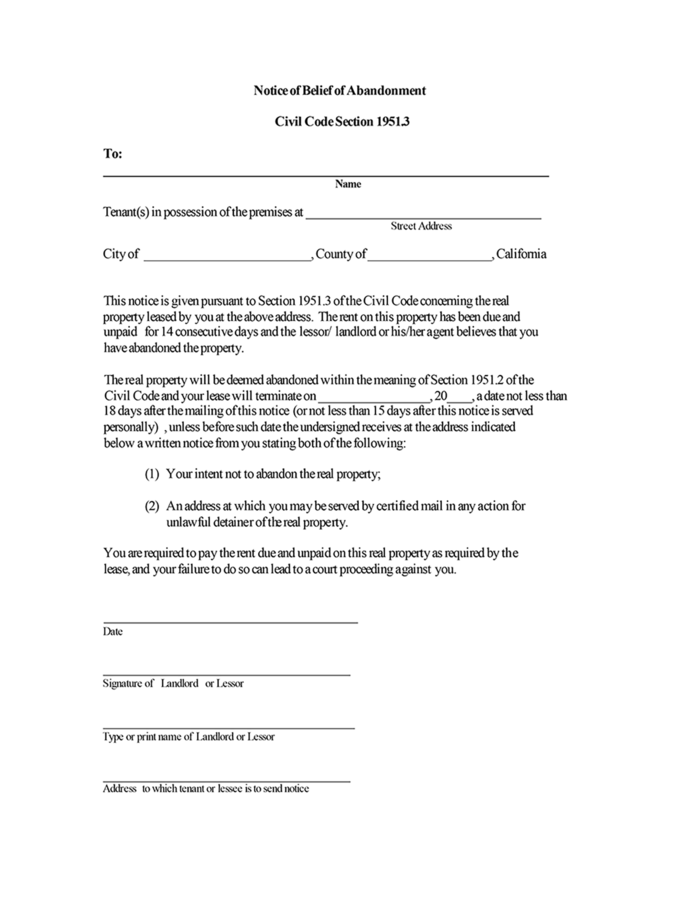
Before taking action, landlords must send a written notice to the tenant. The notice allows the tenant a chance to respond or claim their belongings. If the tenant does not reply within 18 days, the landlord can proceed with removing items or reclaiming the unit legally. These steps protect tenants while allowing landlords to manage abandoned properties.
Owner Absence And Property Considerations
Owner absence differs from tenant abandonment but also has legal implications. If a property owner leaves a property unattended for an extended period, neighbors or local authorities may report it as abandoned. California law does not set a fixed timeframe for owner abandonment but considers factors like unpaid taxes, utility shutoffs, or visible neglect.
Owners should monitor their properties closely and arrange for maintenance during absences. Unattended properties risk vandalism, fines, or even seizure under local ordinances. In some cases, local governments may take steps to secure or auction off abandoned properties after months of neglect. Understanding these risks encourages owners to act responsibly.

Credit: www.leaserunner.com
Tenant Property Handling Rules
California law sets clear rules for landlords handling tenant property after abandonment. These rules protect both tenant rights and landlord interests. Following these rules carefully helps avoid legal trouble and ensures fair treatment. The focus lies on proper notice and careful disposal of belongings.
Notice Requirements For Abandoned Belongings
Landlords must send a written notice to the tenant. This notice explains which items remain in the rental unit. It must also state where the belongings are stored. The landlord must send this notice by certified mail. If the tenant has an emergency contact, they must be notified too. The notice must give the tenant a deadline to claim their property. Usually, this period is 18 days from the date the notice is sent.
Claim Periods And Disposal Procedures
The tenant has 18 days to claim their belongings after receiving notice. If the tenant does not respond, the landlord may dispose of the property. Disposal can include selling, donating, or throwing away the items. Landlords must keep records of how the property is handled. If the belongings are sold, the landlord must keep the money for the tenant. The landlord may keep a portion to cover storage and sale costs. Unclaimed money must be returned to the tenant if requested later.
Legal Steps For Owners
Owners facing property abandonment in California must follow clear legal steps. These steps protect owners and respect tenant rights. Understanding these rules helps avoid legal problems and speeds up property recovery.
Filing Notices And Documentation
Owners must send a written notice about the abandoned property. The notice goes to the tenant and any emergency contacts. It should list the items left behind. The tenant has a limited time to claim their belongings. Keep copies of all notices and communication. Document dates and methods of delivery carefully. This paperwork is essential if legal action becomes necessary.
Eviction And Repossession Guidelines
California law requires proper eviction procedures before repossession. Owners cannot simply remove a tenant’s belongings. They must follow the legal eviction process. This includes serving eviction notices and waiting for court orders if needed. Once eviction is complete, owners may repossess the property. They must handle tenant property according to state rules. Avoid disposing of items until the tenant’s claim period ends. Following these guidelines protects owners from legal claims.
Credit: www.ezlandlordforms.com
Unclaimed Financial Assets
Unclaimed financial assets include money or valuables left inactive for a period. These can be forgotten bank accounts, uncashed checks, or safe deposit box contents. California law protects owners by requiring holders to report and transfer these assets to the state. This ensures owners have a chance to claim their property later.
State Controller’s Role
The California State Controller manages unclaimed financial assets. Businesses and banks must send inactive assets to this office after a dormancy period. The Controller keeps records of these assets and offers a public search tool. This helps owners find and claim their property. The office also educates the public about unclaimed property rights.
Reporting And Claiming Procedures
Holders must report unclaimed assets annually to the State Controller. They provide details about the asset and the owner’s last known contact. The Controller then attempts to notify the owner. Owners can search the Controller’s database online. To claim assets, owners submit a claim form with proof of ownership. Once verified, the state returns the property promptly.
Squatting And Adverse Possession
Squatting and adverse possession are terms often heard in discussions about property abandonment laws in California. Squatting means occupying a property without the owner’s permission. Adverse possession is a legal way to claim ownership of property by using it openly and continuously for a certain time. California has strict rules about these practices to protect property rights and avoid disputes.
Conditions For Taking Ownership
To claim ownership through adverse possession in California, specific conditions must be met. The person must occupy the property openly and continuously for five years. The use must be hostile, meaning without the owner’s permission. The occupant must pay all property taxes during this time. The possession has to be obvious to the owner and the public. Meeting these rules allows a squatter to file a claim for ownership.
Tax Obligations And Legal Risks
Paying property taxes is crucial for adverse possession claims. Failure to pay taxes can nullify the claim. Squatters face legal risks such as eviction or criminal charges. The original owner can take legal action to remove unauthorized occupants. Squatters must also understand potential civil lawsuits. Ignoring these risks can lead to costly consequences and loss of any claim to the property.
Frequently Asked Questions
How Long Until Property Is Considered Abandoned In California?
In California, property is considered abandoned if a tenant leaves without notice and stops paying rent for 15 consecutive days. Landlords must follow legal notice procedures before claiming abandonment.
How Long Does A Parent Have To Be Absent To Be Considered Abandonment In California?
In California, a parent must be absent without support or communication for at least six months to be considered abandonment.
How Long Does A Tenant Have To Respond To A Notice Of Abandonment In California?
A tenant in California has 18 days to respond to a notice of abandonment after receiving it. The landlord must send this written notice.
What To Do When A Tenant Abandons Property In California?
In California, send a written notice to the tenant and emergency contacts about abandoned property. Allow the required claim period. If unclaimed, follow legal steps to dispose or sell belongings. Document all actions to comply with state laws and avoid liability.
How Long Until Property Is Considered Abandoned In California?
Property is usually considered abandoned after 15 days of no contact or rent payment. Landlords must follow legal steps before reclaiming it. This prevents wrongful eviction or loss of tenant belongings.
Conclusion
Understanding California’s property abandonment laws helps protect your rights and property. Act quickly and follow legal steps carefully. Property owners and tenants must know their responsibilities. Clear communication and proper notices avoid costly disputes. Stay informed to handle abandonment situations with confidence.
The law aims to balance fairness for all parties. Always seek advice if unsure about your case. Knowledge prevents problems and saves time. Protect your investment by respecting California’s rules.

Ismail Hossain is the founder of Law Advised. He is an Divorce, Separation, marriage lawyer. Follow him.