Electric Scooter Laws in California: What Riders Must Know Now
If you’re thinking about zipping around California on an electric scooter, knowing the laws is a must. You might wonder where you can ride, whether you need a helmet, or if you’re allowed to carry a passenger.
Getting caught unaware could lead to fines or even more serious trouble. This guide breaks down everything you need to know about electric scooter laws in California—so you can ride safely, legally, and with confidence. Keep reading to make sure you’re up to speed before you hit the streets.
Scooter Types And Classification
Electric scooters come in various types and classes in California. Understanding these distinctions helps riders follow the correct laws. The state classifies scooters based on speed, motor power, and design. Each type has specific rules that riders must obey.
Class 1 Electric Scooters
Class 1 scooters have a motor that assists only when you pedal. They cannot go faster than 20 mph. These scooters are allowed on bike paths and streets but not on sidewalks. Riders must wear helmets under 18 years old.
Class 2 Electric Scooters
Class 2 scooters have a throttle and can reach speeds up to 20 mph without pedaling. They can be used on streets and bike lanes. Sidewalk riding is prohibited. Helmets are required for riders younger than 18.
Class 3 Electric Scooters
Class 3 scooters are the fastest, with motors that can reach 28 mph. They must have a speedometer and are only allowed on streets and bike lanes. Riders under 18 must wear helmets. These scooters cannot be used on sidewalks.
Non-electric Scooters
Non-electric scooters rely entirely on the rider’s push. They are not subject to electric scooter laws. Riders can use sidewalks and parks. No helmet is legally required but is recommended for safety.
Helmet And Safety Gear Rules
Riding an electric scooter in California requires attention to safety rules. Helmets and safety gear protect riders from serious injuries. The state sets clear regulations to keep everyone safe on the road.
Helmet Requirements For Electric Scooter Riders
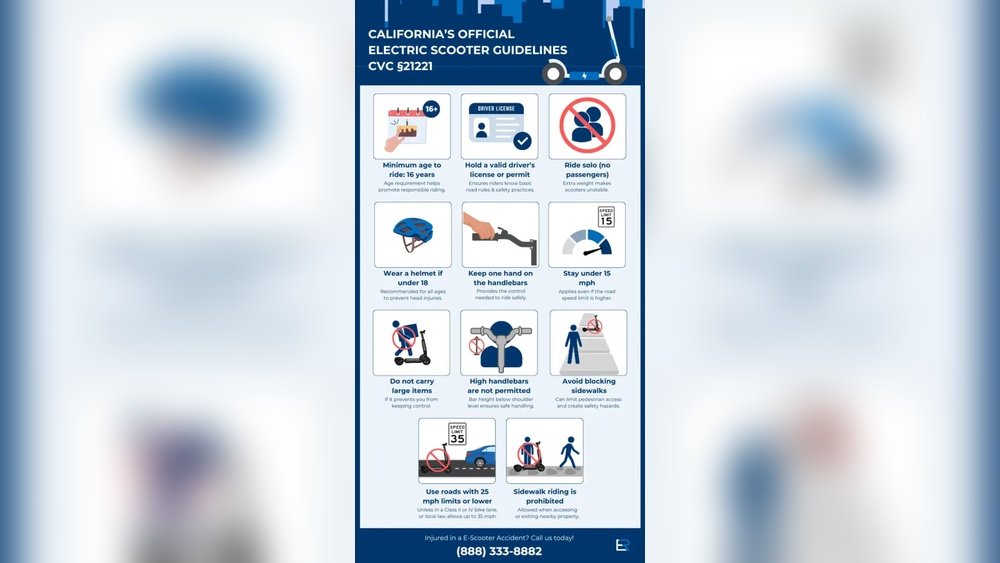
California law mandates helmets for all electric scooter riders under 18 years old. Riders 18 and older do not have a legal helmet requirement. Despite this, wearing a helmet is strongly advised for all ages. A helmet reduces the risk of head injuries during accidents.
Recommended Safety Gear Beyond Helmets
Besides helmets, riders should consider additional safety gear. Elbow and knee pads help prevent scrapes and bruises. Bright or reflective clothing increases visibility, especially at night. Gloves improve grip and protect hands in falls.
Legal Consequences Of Not Wearing Required Gear
Failing to wear a helmet when required can lead to fines. Law enforcement officers may issue citations to underage riders without helmets. No helmet laws exist for adults, but safety risks increase without protection. Wearing proper gear helps avoid legal trouble and serious injuries.
Where To Ride Your Scooter
Knowing where you can ride your electric scooter in California keeps you safe and legal. The state has clear rules about which paths and roads you may use. Following these rules helps prevent accidents and fines.
On Bike Lanes
Electric scooters can be ridden on bike lanes. These lanes are designed for small vehicles like bikes and scooters. Riding here keeps you separate from cars. It is the safest and most accepted place to ride.
On Streets
You may ride your scooter on streets with a speed limit of 25 mph or less. Always ride in the same direction as traffic. Avoid busy roads with higher speed limits. Use caution and obey traffic signals and signs.
On Sidewalks
Riding on sidewalks is usually not allowed. Some cities may have local rules that permit it in certain areas. Check local laws before riding on sidewalks. Be respectful of pedestrians and give them the right of way.
In Parks And Trails
Many parks and trails allow electric scooters. Look for signs or ask park officials about scooter rules. Avoid riding where scooters are banned. Always slow down and watch for walkers and cyclists.
Credit: www.rmdlaw.com
Licensing And Registration Requirements
California has clear rules about licensing and registration for electric scooters. These rules help keep riders safe and ensure scooters follow the law. Understanding these rules is important before riding any electric scooter in the state.
Electric scooters in California usually do not need a driver’s license or registration. This makes them easy to use for short trips. But there are exceptions based on the scooter’s speed and power.
Licensing Requirements For Electric Scooters
Most electric scooters under 20 mph do not require a driver’s license. Riders can use them without any special permit. For scooters that can go faster than 20 mph, a valid driver’s license is needed. This includes a standard car or motorcycle license.
Registration And Insurance Rules
Electric scooters that meet the state’s definition do not need registration. There is no need to display a license plate. Insurance is also not required for these scooters. However, scooters classified as mopeds or motorcycles must follow normal vehicle registration laws. They need plates and insurance like other motor vehicles.
Helmet And Age Restrictions
Riders under 18 must wear a helmet at all times. This rule applies to all electric scooters. There is no minimum age to use a scooter, but local cities may set age limits. Checking local rules is important before riding.
Speed Limits And Operational Restrictions
Electric scooters have become a popular way to get around California. The state has clear rules about how fast these scooters can go and where you can ride them. These rules keep riders and pedestrians safe.
Knowing speed limits and operational restrictions helps you avoid fines and accidents. It also ensures smooth traffic flow in busy areas. Understanding these laws is important for every scooter user.
Speed Limits On Electric Scooters In California
California sets a maximum speed of 15 miles per hour for electric scooters. This limit applies on all public roads and bike paths where scooters are allowed. Some cities may have lower speed limits in certain zones.
Riders must always control their speed and slow down near pedestrians. Speeding can lead to penalties or loss of scooter privileges. Following speed limits protects everyone on the road.
Where You Can Ride Electric Scooters
Electric scooters can be ridden on streets with speed limits under 25 mph. Riding on sidewalks is generally prohibited unless local laws allow it. Scooters are allowed on bike lanes and paths unless otherwise posted.
Riders must obey traffic signals and signs. Riding against traffic or on freeways is illegal. These rules reduce crashes and keep scooter traffic predictable.
One Rider Per Scooter Rule
California law allows only one person per scooter at a time. Carrying passengers is not permitted on electric scooters. This rule helps maintain scooter stability and rider control.
Riding with a passenger increases risk of falls and injuries. Always ride solo for your safety and to follow the law.
Helmet Requirements And Safety Gear
Helmet use is mandatory for riders under 18 years old. Adults are encouraged to wear helmets for protection. Wearing a helmet reduces head injury risks during accidents.
Other safety gear like reflective clothing is recommended for night riding. Being visible and protected improves rider safety on roads.
Credit: www.livermoreca.gov
Credit: www.fremontpolice.gov
Frequently Asked Questions
Can You Ride An Electric Scooter On The Street In California?
You can ride an electric scooter on California streets if it meets local speed and safety regulations. Helmets are required for riders under 18. Always follow traffic laws and ride in bike lanes or on streets where allowed. Riding on sidewalks is generally prohibited.
What Kind Of Scooter Does Not Require A License In California?
In California, electric scooters with a top speed of 15 mph or less and a motor under 750 watts do not require a license. Riders must follow local rules and wear helmets if under 18.
What Are The New Ebike Laws In California 2026?
California’s 2026 e-bike laws require riders under 18 to wear helmets. Class 3 e-bikes need a driver’s license but no registration. Riding on sidewalks is mostly prohibited. Speed limits and age restrictions apply. Follow local rules for safe, legal e-bike use.
Are There Street Legal Electric Scooters?
Yes, some electric scooters are street legal if they meet local laws on speed, power, and safety equipment. In California, riders must follow specific rules, including helmet use and riding on bike lanes or streets, not sidewalks. Always check your city’s regulations before riding.
Can I Ride An Electric Scooter On California Streets?
Yes, electric scooters can be ridden on streets with speed limits of 25 mph or less. Riders must follow all traffic laws and signals.
Conclusion
Electric scooter laws in California keep riders safe and streets orderly. Always wear a helmet and follow traffic rules. Only one rider per scooter is allowed. Stay on bike lanes or roads where scooters are legal. Obey local regulations to avoid fines or accidents.
Understanding these laws helps protect you and others. Ride responsibly and enjoy California’s e-scooter convenience. Safety and respect make every ride better.

Ismail Hossain is the founder of Law Advised. He is an Divorce, Separation, marriage lawyer. Follow him.