Animal Cruelty Laws in Washington State: What You Need to Know
When it comes to protecting animals, knowing the laws in your state is crucial. In Washington State, animal cruelty laws are designed to prevent harm and ensure justice for those who mistreat animals.
But what exactly counts as animal cruelty here? How serious are the consequences if someone breaks these laws? And if you witness abuse, what steps should you take to report it? This article will guide you through everything you need to know about animal cruelty laws in Washington State, helping you understand your rights and responsibilities.
By the time you finish reading, you’ll feel empowered to protect animals in your community and hold offenders accountable. Keep reading to learn the key facts that every Washington resident should know.
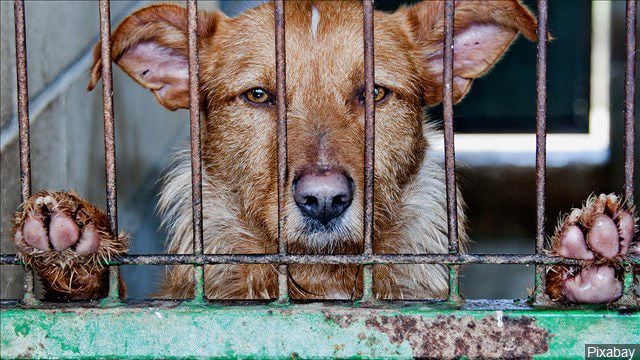
Credit: www.nbcrightnow.com
Animal Cruelty Laws In Washington
Washington State has clear laws to protect animals from harm and neglect. These laws define what counts as animal cruelty and set penalties for offenders. Understanding these laws helps ensure animals are treated with kindness and respect. The state classifies animal cruelty into different degrees based on the severity of the act.
First-degree Animal Cruelty
First-degree animal cruelty is the most serious offense. It involves intentionally causing great pain or death to an animal. This includes torture or killing an animal in a cruel way. The law treats this crime as a class C felony. People convicted of first-degree cruelty may face jail time and fines. They can also be banned from owning or caring for animals permanently.
Second-degree Animal Cruelty
Second-degree animal cruelty is less severe but still serious. It covers acts that cause physical injury or suffering without intent to kill. This crime is a gross misdemeanor in Washington State. Penalties may include fines, jail time, or both. The law aims to prevent neglect and abuse that harms animals.
Legal Definitions And Prohibited Acts
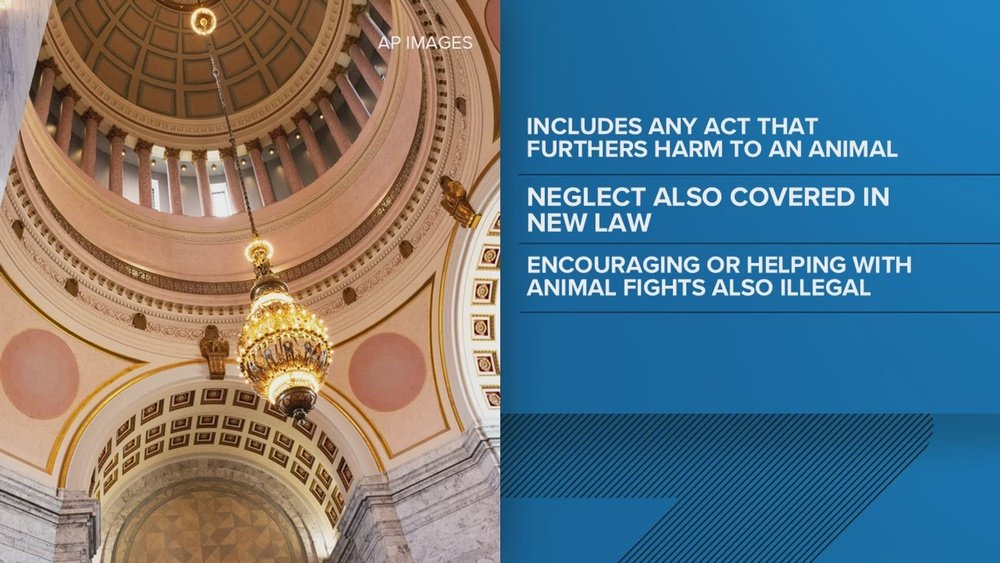
Washington law clearly defines animal cruelty. It forbids intentionally causing pain, injury, or death to animals. Neglect, abandonment, and fighting animals also count as cruelty. The law allows exceptions for lawful hunting, farming, and veterinary care. Rescuing animals trapped in hot cars is protected by civil immunity if done properly. These rules help protect animals while respecting lawful activities.
Penalties And Consequences
Animal cruelty laws in Washington State carry serious penalties. The state aims to protect animals by punishing those who harm them. These laws include criminal charges, fines, and ownership restrictions. Offenders face consequences that affect their freedom and finances. Understanding these penalties helps raise awareness and prevents abuse.
Criminal Charges And Sentences
Animal cruelty in Washington is often classified as a felony. First-degree cruelty is a Class C felony. This charge applies to severe cases causing great pain or death. Convicted individuals may face jail time. Sentences can include months or years in prison. The law also considers the intent and harm caused. Courts take animal suffering seriously when deciding sentences.
Ownership Bans For Offenders
People convicted of serious animal cruelty may lose the right to own animals. Ownership bans prevent offenders from caring for or living with animals. These bans can be permanent. The state aims to protect animals from repeat abuse. This restriction applies especially to first-degree offenders. The law removes animal custody to ensure safety.
Fines And Restitution
Fines are common penalties for animal cruelty in Washington. Offenders may pay thousands of dollars. Courts also order restitution to cover veterinary bills. Restitution compensates victims for animal care and recovery. These financial penalties discourage abuse. Paying fines does not replace jail time or bans. The combined penalties protect animals and hold abusers accountable.
Reporting Animal Abuse
Reporting animal abuse is vital to protect animals in Washington State. Prompt reporting helps authorities act quickly. It prevents further harm and holds offenders responsible. Knowing how to report abuse properly ensures your concern is taken seriously.
Understanding the process makes a difference. It guides you on what steps to take and what information to provide. Everyone can play a role in stopping cruelty by reporting suspicious behavior.
How To Report Abuse In Washington
To report animal abuse in Washington, call your local animal control or law enforcement office. You can also contact the Washington State Humane Society. Provide clear details about the location and type of abuse. Anonymous reports are accepted but giving your contact helps with follow-up.
Online reporting options may be available depending on your county. Use them to submit photos or videos if possible. Act quickly to increase the chance of saving the animal.
Required Evidence For Reporting
Evidence strengthens your report and helps authorities investigate. Take photos or videos showing the animal’s condition or the abuse act. Write down dates, times, and descriptions of what you witnessed. Note the exact location and any witnesses present.
Physical evidence or veterinary records can also support your claim. Avoid confronting the abuser directly to keep yourself safe. Clear and accurate information is key to a strong case.
Role Of Animal Control And Law Enforcement
Animal control officers respond to reports of abuse and investigate cases. They assess the animal’s welfare and may remove it from harm. Law enforcement can arrest and charge those who break animal cruelty laws.
Both agencies work with local prosecutors to ensure justice. They educate the public about animal protection laws. Your report triggers their actions to protect animals and enforce the law.
Protections For Rescuers
Washington State offers clear protections for individuals who step in to rescue animals in danger. These laws encourage people to act without fear of legal trouble. Protecting rescuers helps prevent animal suffering and promotes community care.
Understanding these protections is important. It ensures rescuers know their rights and limits. The following sections explain key aspects of these laws.
Good Samaritan Civil Immunity
Washington law grants civil immunity to rescuers of animals trapped in locked vehicles. This immunity protects rescuers from lawsuits if they act reasonably. Rescuers must use only the force needed to free the animal. They must also notify law enforcement or animal control as soon as possible. This law encourages quick action to save animals without fear of legal consequences.
Guidelines For Rescuing Animals
Rescuers should follow simple guidelines to stay safe and lawful. First, assess the animal’s condition carefully. Avoid causing unnecessary harm or stress. Always try to contact authorities before taking action. Use the least force required to free the animal. After rescue, provide water or shelter if possible. These steps protect both the animal and rescuer.
Legal Precautions To Take
Rescuers must document the situation thoroughly. Taking photos or videos can help prove the need for rescue. Keep a detailed record of the time, place, and condition of the animal. Always report the rescue to local authorities immediately. Avoid removing the animal from private property without permission. Following these precautions reduces legal risks and supports animal welfare efforts.
Animal Seizure And Care
Animal seizure and care play a vital role in protecting animals from abuse and neglect in Washington State. Authorities have clear guidelines on when and how to seize animals in distress. These laws ensure the animals receive proper care after removal from harmful environments. Understanding these rules helps communities support animal welfare effectively.
Seizure Without A Warrant
In Washington, officers can seize animals without a warrant if there is an immediate risk to the animal’s health or safety. This action must be based on clear evidence of cruelty or neglect. The law allows quick intervention to prevent further harm. Authorities must act responsibly and document the reasons for seizure.
Veterinary Care Requirements
Once animals are seized, they must receive prompt veterinary care. This care includes emergency treatment, pain relief, and necessary medical procedures. The law mandates that animals are not left to suffer after removal. Providing timely health care supports the animal’s recovery and well-being.
Handling And Housing Of Seized Animals
Seized animals must be housed in safe and clean facilities. Proper food, water, and shelter are required at all times. Handling should minimize stress and avoid further injury. Caretakers must follow state guidelines to maintain animal comfort and health. Humane treatment is a priority until legal cases conclude.

Credit: www.axios.com
Recent Law Updates
Washington State has recently updated its animal cruelty laws to better protect animals. These changes focus on harsher punishments, clearer enforcement rules, and stronger support for advocates. The updates aim to stop abuse and improve animal welfare across the state.
Stricter Penalties For Animal Cruelty
Penalties for animal cruelty offenses have become more severe. First-degree animal cruelty is now classified as a class C felony. This change means longer jail time and higher fines for offenders. Repeat offenders face permanent bans on owning or caring for animals. The stricter penalties send a clear message that animal abuse is unacceptable.
Changes In Enforcement Policies
Law enforcement agencies in Washington have new guidelines to handle animal cruelty cases. Officers receive better training to spot and investigate abuse. “Good Samaritans” who rescue animals trapped in hot cars now have legal protection. They must use only necessary force and notify the authorities promptly. These policy updates improve response times and protect rescuers from legal trouble.
Impact On Animal Welfare Advocacy
Animal welfare groups have welcomed the recent law changes. The updates provide stronger tools to fight cruelty cases. Advocates can push for tougher sentences and better care standards. Public awareness about animal rights is growing thanks to these reforms. The laws encourage communities to report abuse and support animal protection efforts.
Resources And Support
Washington State offers many resources and support systems for those concerned about animal cruelty. These help protect animals and assist victims of abuse. Support comes from local groups, legal aid, and education efforts. Each plays a vital role in fighting cruelty and promoting animal welfare.
Local Animal Welfare Organizations
Several groups in Washington work hard to protect animals. They rescue abused pets and provide shelter. Volunteers help care for animals and find new homes. These organizations also report cruelty to authorities. They offer a safe place for animals in need.
Legal Assistance For Victims
Victims of animal cruelty can find legal help in Washington. Lawyers assist with filing complaints and navigating the court system. Legal aid groups offer free or low-cost services. They help ensure abusers face penalties. Support is available to protect animals and their owners.
Educational Materials And Outreach
Education is key to preventing animal cruelty. Washington provides easy-to-understand materials about animal care and laws. Schools and communities hold workshops and events. These programs teach respect and kindness toward animals. Outreach efforts raise awareness and encourage reporting abuse.
Credit: www.nbcrightnow.com
Frequently Asked Questions
What Are The 4 Types Of Animal Abuse?
The four types of animal abuse are physical abuse, neglect, psychological abuse, and abandonment. Each harms animals differently but severely.
How Do I Report Someone Being Cruel To A Dog?
Report dog cruelty by calling your local animal control, police, or a humane society immediately. Provide clear details and evidence.
What Evidence Do You Need For Animal Abuse?
Collect photos, videos, and witness statements showing intentional pain, injury, or neglect to the animal. Document dates and locations.
Can You Go To Jail For Yelling At A Dog?
You cannot go to jail just for yelling at a dog unless it causes harm or constitutes animal cruelty. Animal cruelty laws punish intentional physical harm. Yelling alone usually isn’t criminal unless it leads to injury or abuse under Washington State law.
Conclusion
Washington State’s animal cruelty laws protect animals from harm and suffering. These laws punish those who cause pain or injury to animals. Reporting abuse helps stop cruelty and supports animal safety. Everyone has a role in protecting animals. Understanding these laws encourages kindness and respect toward all creatures.
Stay informed and act if you witness animal abuse. Together, we can create a safer environment for animals in Washington.

Ismail Hossain is the founder of Law Advised. He is an Divorce, Separation, marriage lawyer. Follow him.