Maternity Leave Laws in California: Essential Rights Every Mom Should Know
Are you expecting a baby or planning to grow your family soon? Understanding your rights around maternity leave in California is crucial for your peace of mind and financial security.
Knowing how much time you can take off, what benefits you’re entitled to, and how to navigate the process can make all the difference during this important life moment. Keep reading to discover everything you need to know about maternity leave laws in California—so you can focus on what truly matters: your health and your new baby.
California Maternity Leave Basics
California offers strong protections for new mothers through its maternity leave laws. These laws help employees take time off to care for a newborn without risking their job. Understanding the basics helps expecting mothers plan their leave and know their rights.
The rules cover who can take leave, how long the leave lasts, and job security during this time. These protections apply to many workers in California.
Eligibility Criteria
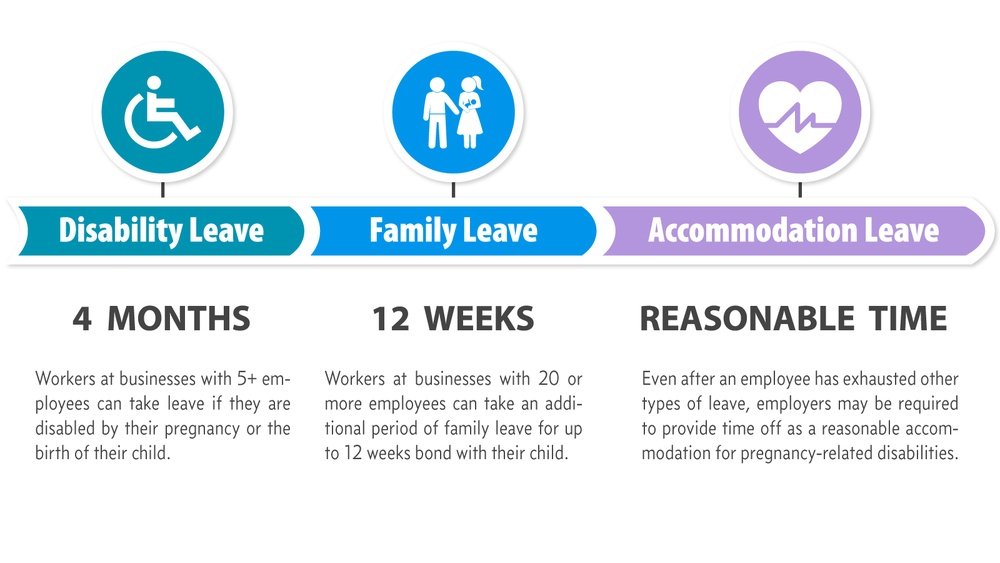
Employees must work for a company with five or more workers. They should have worked at least 12 months for the employer. Also, the employee must have worked 1,250 hours in the past year. These rules apply to full-time and part-time workers.
Leave Duration
California maternity leave can last up to 12 weeks. This time is separate from any federal leave rights. The leave can be used before or after birth. It also covers bond time with a new child through adoption or foster care.
Job Protection
Employees have the right to return to their same or a similar job. Employers cannot fire or punish workers for taking maternity leave. Job benefits, like health insurance, must continue during the leave. This ensures mothers do not lose important coverage.

Credit: typeamomtales.com
State And Federal Law Interactions
Understanding maternity leave laws in California means knowing how state and federal rules work together. Both sets of laws provide rights and protections for new parents. They sometimes overlap, which can be confusing. This section explains the main laws and how they interact.
California Family Rights Act (cfra)
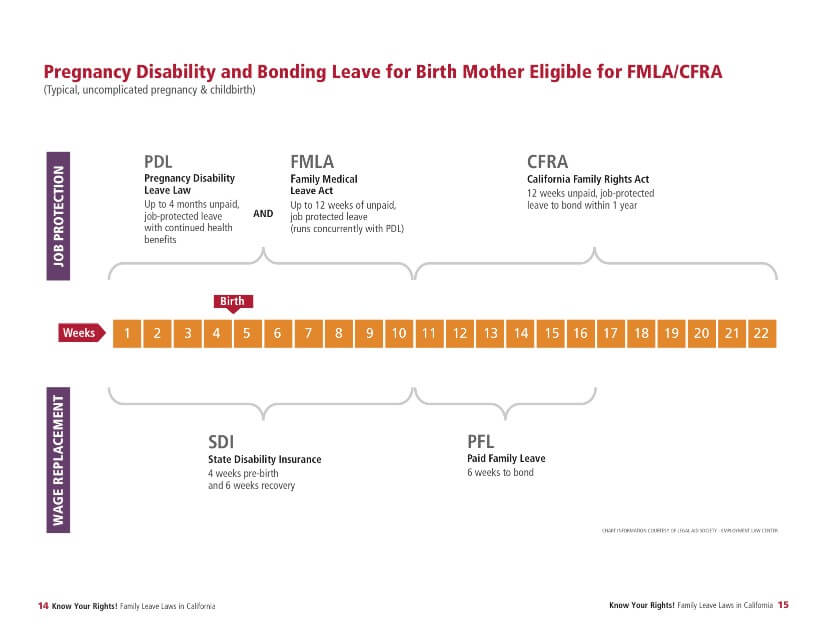
The California Family Rights Act lets eligible employees take up to 12 weeks off. This leave is for baby bonding, serious health conditions, or caring for a family member. CFRA applies to employers with 5 or more employees. Employees keep their job and health benefits during this time.
Federal Family And Medical Leave Act (fmla)
The federal Family and Medical Leave Act also offers up to 12 weeks of unpaid leave. It applies to employers with 50 or more employees. FMLA protects jobs and health insurance during leave. It covers birth, adoption, or serious health conditions of employees and family.
Paid Family Leave Program
California’s Paid Family Leave program gives partial wage replacement. It applies to workers who take time off to care for a new child or family member. This program lasts up to 8 weeks. It works with CFRA and FMLA but only covers pay, not job protection.
Benefits And Pay During Leave
Maternity leave in California offers financial support and job protection. Understanding benefits and pay during leave helps new mothers plan ahead. California provides several options to support women during this important time.
State Disability Insurance
California’s State Disability Insurance (SDI) covers up to 8 weeks of maternity leave. It pays about 60-70% of your wages. This benefit begins before or after childbirth, depending on your doctor’s note. You must be unable to work due to pregnancy or recovery. SDI is funded by employee payroll deductions, so most workers qualify.
Paid Family Leave Benefits
Paid Family Leave (PFL) offers up to 8 weeks of partial pay. It supports bonding with a new child after maternity leave. PFL pays a portion of your wages, similar to SDI. It applies to both mothers and fathers. You can use PFL within the first year of your baby’s birth or adoption. This program also uses funds from payroll deductions.
Employer Policies
Some employers offer paid maternity leave beyond state programs. Company policies vary widely in length and pay amount. Check your employee handbook or ask HR for details. Some employers provide full salary, others partial pay, or unpaid leave. Combining employer benefits with state programs can increase total income during leave.

Credit: www.worklawyers.com
Returning To Work And Accommodations
Returning to work after maternity leave can bring many changes. California laws help protect new mothers during this time. These laws ensure fair treatment and support at the workplace. Understanding your rights and available accommodations makes the transition smoother.
Rights Upon Return
California law guarantees the right to return to the same or a similar job. Employers cannot reduce your hours or pay because of maternity leave. You have protection from discrimination based on pregnancy or childbirth. Your job security is a priority under these rules.
Breastfeeding Support
Employers must provide a private space for breastfeeding or pumping milk. This space cannot be a bathroom. Break time for breastfeeding is required by law. These breaks are unpaid unless otherwise stated in your company policy. This support helps mothers care for their babies while working.
Reasonable Accommodations
California requires employers to provide reasonable accommodations for new mothers. These may include flexible work hours or temporary job modifications. You can ask for help with lifting heavy items or extra breaks. Employers must respond to accommodation requests fairly. These changes help balance work and health needs.
Credit: www.employeerightsattorneygroup.com
Frequently Asked Questions
What Is The Length Of Maternity Leave In California?
California law provides up to 12 weeks of job-protected maternity leave. This applies under the California Family Rights Act and the federal Family and Medical Leave Act.
Who Qualifies For Maternity Leave In California?
Employees who work for employers with 5 or more employees and meet certain work hour requirements qualify. Both full-time and part-time workers can be eligible.
Is Maternity Leave Paid Or Unpaid In California?
Maternity leave is generally unpaid under state and federal laws. Employees can use California Paid Family Leave benefits for partial wage replacement.
Can Fathers Take Maternity Leave In California?
Yes, fathers can take up to 12 weeks of leave to bond with a new child. This applies equally to birth, adoption, or foster care placements.
Conclusion
California offers strong maternity leave protections for new mothers. These laws help you take time off without losing your job. You can plan better and focus on your family’s needs. Knowing your rights reduces stress during this important time. Talk to your employer early about your leave options.
Keep track of deadlines and paperwork to avoid issues. This support helps you balance work and family life smoothly. Take advantage of the benefits available to you. Your family’s health and happiness matter most.

Ismail Hossain is the founder of Law Advised. He is an Divorce, Separation, marriage lawyer. Follow him.