Car Window Tint Laws in California: What You Need to Know Today
Are you thinking about tinting your car windows in California? Before you make any changes, it’s important to know the state’s window tint laws.
These rules can be tricky, and getting them wrong might lead to fines or even having to remove your tint. Understanding what’s allowed will help you keep your ride stylish, safe, and legal. Keep reading to discover exactly what you need to know about car window tint laws in California—so you can protect yourself and your investment without any surprises.
Credit: kepler-dealer.com
Legal Tint Limits
California has strict rules about how dark car window tint can be. These rules protect drivers and police by keeping windows clear enough to see inside. Each type of car window has its own limit for how much tint is allowed. Understanding these limits helps avoid fines and keeps your vehicle legal on the road.
Visible Light Transmission Requirements
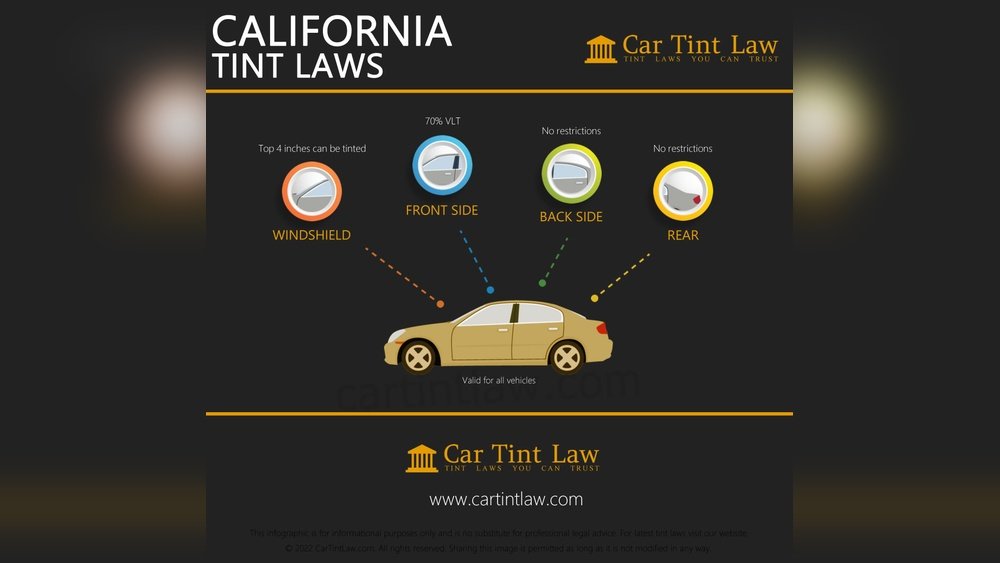
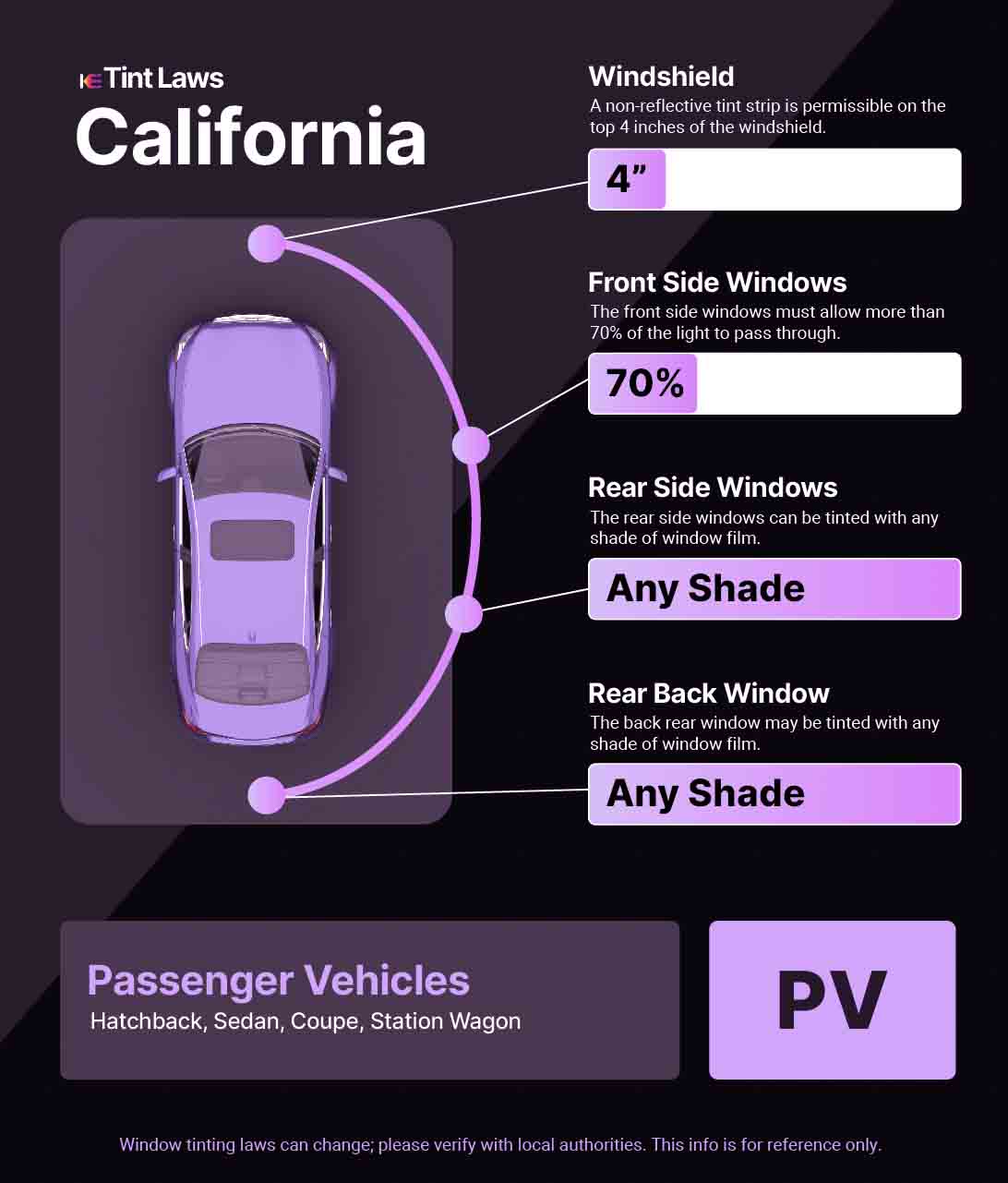
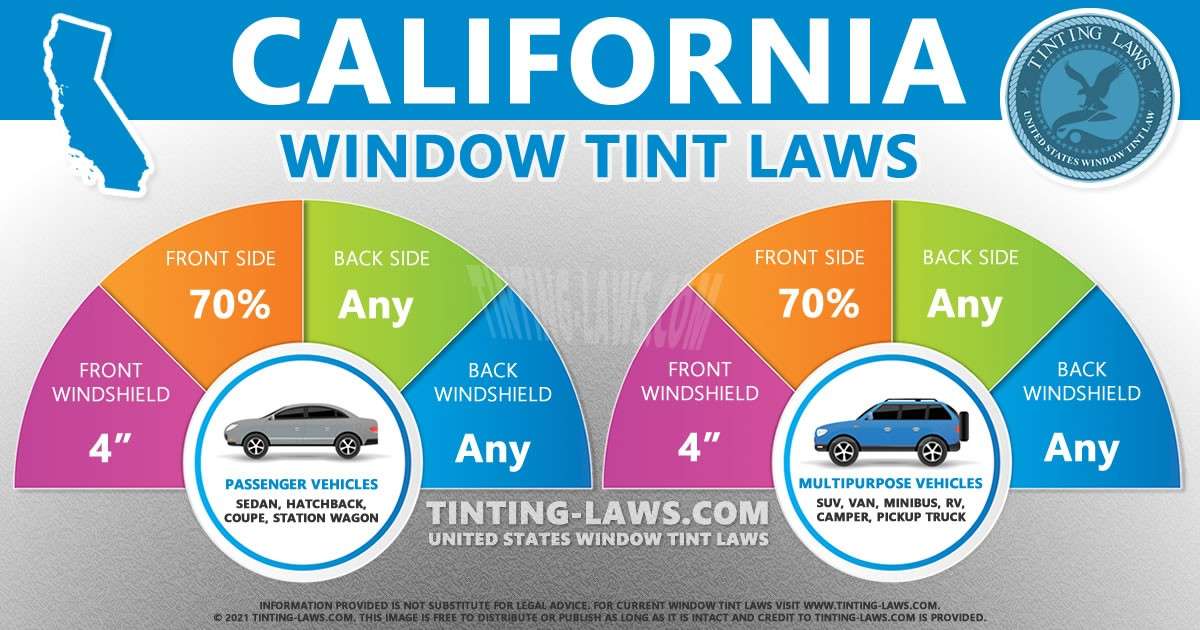
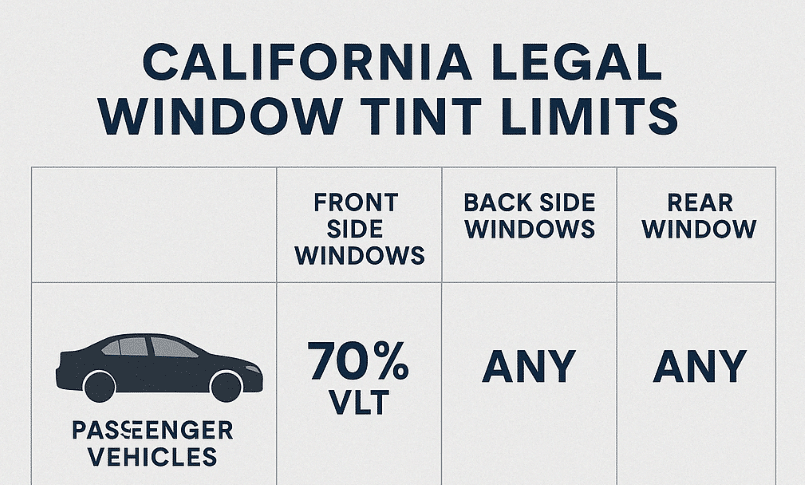
Visible Light Transmission (VLT) means how much light passes through the window. California law says front side windows must let in more than 70% of light. This means tint on these windows can only block up to 30% of light. Rear side windows and back windows have no VLT limit, so darker tint is allowed there.
Reflective Tint Restrictions
Reflective tint makes windows look like mirrors. California limits how reflective window tint can be. Front side windows cannot have tint that is more than 20% reflective. This keeps glare low and helps other drivers see your eyes. Rear and back windows have no specific limits on reflectiveness.
Tint Rules For Different Windows
Each window on your car has different tint rules in California. Front side windows need at least 70% VLT and low reflectiveness. Rear side windows and back windows can be darker and more reflective. Windshield tint is only allowed on the top 4 inches as a sun strip. This strip must not be dark or reflective.
Credit: www.tinting-laws.com
Medical Exemptions
In California, some people with medical needs can get special permission to have darker window tints. These are called medical exemptions. The law allows certain drivers to have more tint on their car windows than usually allowed. This helps protect their health and comfort while driving.
Qualifying Conditions
Medical exemptions are for specific health problems. These include diseases that make eyes sensitive to light. Conditions like lupus, skin cancer, and severe eye diseases qualify. Doctors must confirm the condition affects the patient’s ability to drive safely.
Applying For Exemptions
To apply, drivers need a form from the California Department of Motor Vehicles (DMV). The form must be filled out by a licensed doctor. The driver submits the form to the DMV. Approval allows the driver to use darker window tint legally.
Documentation Needed
Drivers need a medical certificate from their doctor. This certificate states the health condition and the need for tint. The doctor’s license number and signature must be on the form. The DMV uses this to verify the exemption request.
Enforcement And Penalties
California enforces strict rules on car window tinting. These rules keep drivers safe and help law enforcement see inside vehicles. Knowing how enforcement works and the penalties can help you avoid trouble on the road.
How Tint Laws Are Enforced
Police officers check window tint during traffic stops. They use special tools to measure tint darkness. If tint is too dark, officers may issue a ticket. Enforcement also happens during vehicle inspections.
Fines And Consequences
Breaking tint laws can lead to fines. Tickets usually start at $35 but can increase. Repeat offenders may face higher fines or court costs. In some cases, officers may order tint removal.
Vehicle Inspection And Compliance
California requires vehicles to pass annual inspections. Inspectors check if window tint meets state rules. Cars with illegal tint may fail inspection. Owners must fix tint issues before registration renewal.
Credit: www.superiorwindowsolutions.com
Choosing The Right Tint
Choosing the right tint for your car windows involves more than just picking a dark shade. You must consider California’s strict tint laws to avoid fines or trouble. Understanding different tint films helps you select the best option for your vehicle and needs. Careful choice improves your driving comfort and protects your car’s interior.
Types Of Window Tint Films
There are several types of window tint films available. Dyed film absorbs sunlight and reduces glare. Metallic film reflects heat and strengthens the glass. Ceramic film blocks heat and UV rays without darkening windows too much. Each type offers different benefits and legal limits. Choose one that fits your lifestyle and stays within California’s rules.
Benefits Beyond Legal Compliance
Tinting your car windows offers more than just following the law. It keeps the inside of your car cooler on hot days. It protects your skin from harmful UV rays. It also prevents your car’s interior from fading or cracking. Privacy is another benefit, as tints make it harder to see inside. These advantages make tinting a smart choice for many drivers.
Professional Installation Tips
Professional installation ensures your tint looks good and lasts longer. Experts clean windows thoroughly before applying the film. They use special tools to avoid bubbles and wrinkles. Proper installation helps your tint stay within legal limits. Trusting a professional reduces the chance of damage or mistakes. Always ask for a warranty to protect your investment.
Frequently Asked Questions
What Is The Legal Tint Limit For Car Windows In California?
California law allows a maximum of 70% visible light transmission on front side windows. Rear side and back windows can have any darkness level. The windshield tint is only allowed on the top 4 inches.
Can I Get A Ticket For Illegal Window Tint In California?
Yes, police can issue a ticket if your window tint is too dark or reflective. You may have to remove the tint or pay a fine. Always check your tint before driving.
Are Medical Exemptions Available For Car Window Tint In California?
Yes, California allows medical exemptions for darker window tints. A doctor must provide a written certificate explaining the need. This helps protect drivers with health conditions.
How Does California Check Window Tint During Vehicle Inspection?
Inspectors use a light meter to measure how much light passes through the windows. If the tint is too dark, the vehicle fails the inspection. You must fix the tint before passing.
Conclusion
Knowing California’s window tint laws helps you stay safe and legal. Tint rules protect drivers and passengers by improving visibility. Following these laws avoids tickets and fines that cost money and time. Always check the tint percentage allowed for each car window.
Keep your vehicle compliant to enjoy benefits without worry. Stay informed and drive confidently on California roads.

Ismail Hossain is the founder of Law Advised. He is an Divorce, Separation, marriage lawyer. Follow him.