Car Repossession Laws in New York State: What You Need to Know
Have you ever worried about what happens if you miss a car payment in New York? Understanding car repossession laws in New York State is crucial to protect yourself and your vehicle.
Knowing your rights can help you avoid unexpected surprises and take action before it’s too late. You’ll discover exactly how repossession works, what lenders can and can’t do, and how to respond if your car is at risk. Keep reading to learn how to stay in control and safeguard your car.
Repossession Process In New York
The car repossession process in New York follows clear rules to protect both lenders and borrowers. It begins after missed payments or other breaches of the loan agreement. The lender has the right to take back the vehicle, but must follow state laws carefully.
This process ensures fairness and transparency. It helps borrowers know their rights and what to expect. Understanding each step can reduce stress during repossession.
Conditions Leading To Repossession
Repossession usually happens after the borrower misses one or more payments. The lender may also act if the borrower violates other contract terms. Examples include failing to maintain insurance or using the vehicle illegally.
The lender does not need to sue before repossessing the car. Missing payments is the most common trigger for repossession in New York.
Role Of The Lender And Repo Agents
The lender hires repo agents to recover the vehicle. Repo agents must follow strict rules and avoid breaking into private property. They cannot cause damage or use force during repossession.
The lender coordinates the process and handles the loan balance after repossession. Repo agents act as representatives but must respect the law at all times.
Notification Requirements
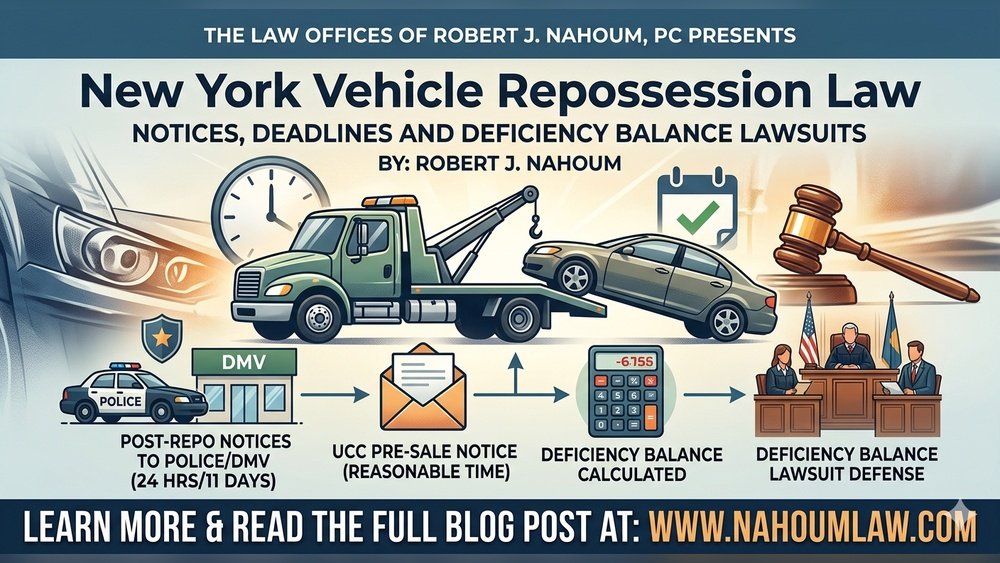
New York law requires lenders to notify borrowers after repossession. They must send a written notice explaining the repossession and how to recover the car. This includes information about the remaining debt and deadlines.
Borrowers have a right to get this notice quickly. It helps them understand options like repayment or redemption. Proper notification protects borrowers from surprise losses.

Credit: www.nytimes.com
Rights Of The Borrower
Borrowers in New York State have specific rights during car repossession. These rights help protect them from unfair treatment. Understanding these rights can ease the stress of repossession. It also guides borrowers on how to act and what to expect.
Redeeming The Vehicle
Borrowers can redeem their car after repossession. This means paying off the full loan balance plus fees. Redemption must happen before the lender sells the vehicle. This right allows borrowers a chance to keep their car.
Challenging An Illegal Repossession
Borrowers can challenge repossession if it breaks the law. Illegal repossession includes taking the car without notice or entering private property. Courts may order the lender to return the vehicle. Borrowers should gather evidence to support their claim.
Protection Against Harassment
New York laws protect borrowers from harassment by lenders. Lenders cannot threaten, insult, or use force during repossession. Borrowers can report harassment to authorities. This protection ensures repossession is done fairly and respectfully.
After Repossession Options
After a car is repossessed in New York State, several options become available. These options affect your financial responsibility and your ability to recover your credit. Understanding these choices helps you make informed decisions.
Deficiency Balance And Loan Responsibility
After repossession, you may owe a deficiency balance. This happens if the car sells for less than your loan amount. You remain responsible for paying this difference. Lenders can demand this payment to cover the full loan. Ignoring this balance can hurt your credit score further.
Vehicle Sale Procedures
New York law requires lenders to sell the repossessed vehicle quickly and fairly. The sale can be public or private, but it must get a fair market price. The lender must notify you about the sale details. Proceeds from the sale go toward your loan balance. Any extra money after paying the loan must be returned to you.
Options For Recovering Credit
You can take steps to protect and improve your credit after repossession. Paying off the deficiency balance helps show responsibility. Negotiating with your lender might reduce what you owe. Rebuilding credit with timely payments on other loans also helps. Staying informed about your rights protects your financial future.

Credit: www.roemermanlaw.com
Legal Remedies And Assistance
Legal remedies and assistance help protect your rights during car repossession. Knowing your options can reduce stress and financial damage. New York State offers ways to challenge wrongful repossession and seek help.
Filing Complaints And Lawsuits
You can file a complaint if the repossession breaks the law. Start by contacting the lender or repossession company. If they ignore your concerns, you may sue for damages. Courts can order the return of your car or compensation. Acting quickly is key. Keep all documents and records related to the repossession.
Resources For Financial Counseling
Financial counselors offer advice on managing debts and payments. They help create budgets and negotiate with lenders. Many nonprofit groups provide free or low-cost counseling. These services can prevent future repossessions. Choose a counselor who knows New York laws and car loans.
Working With Consumer Protection Agencies
Consumer protection agencies enforce fair lending and repossession rules. They investigate complaints and may mediate disputes. The New York State Attorney General’s office is a good place to start. Federal agencies like the Consumer Financial Protection Bureau also help. Contacting these agencies can provide guidance and support.
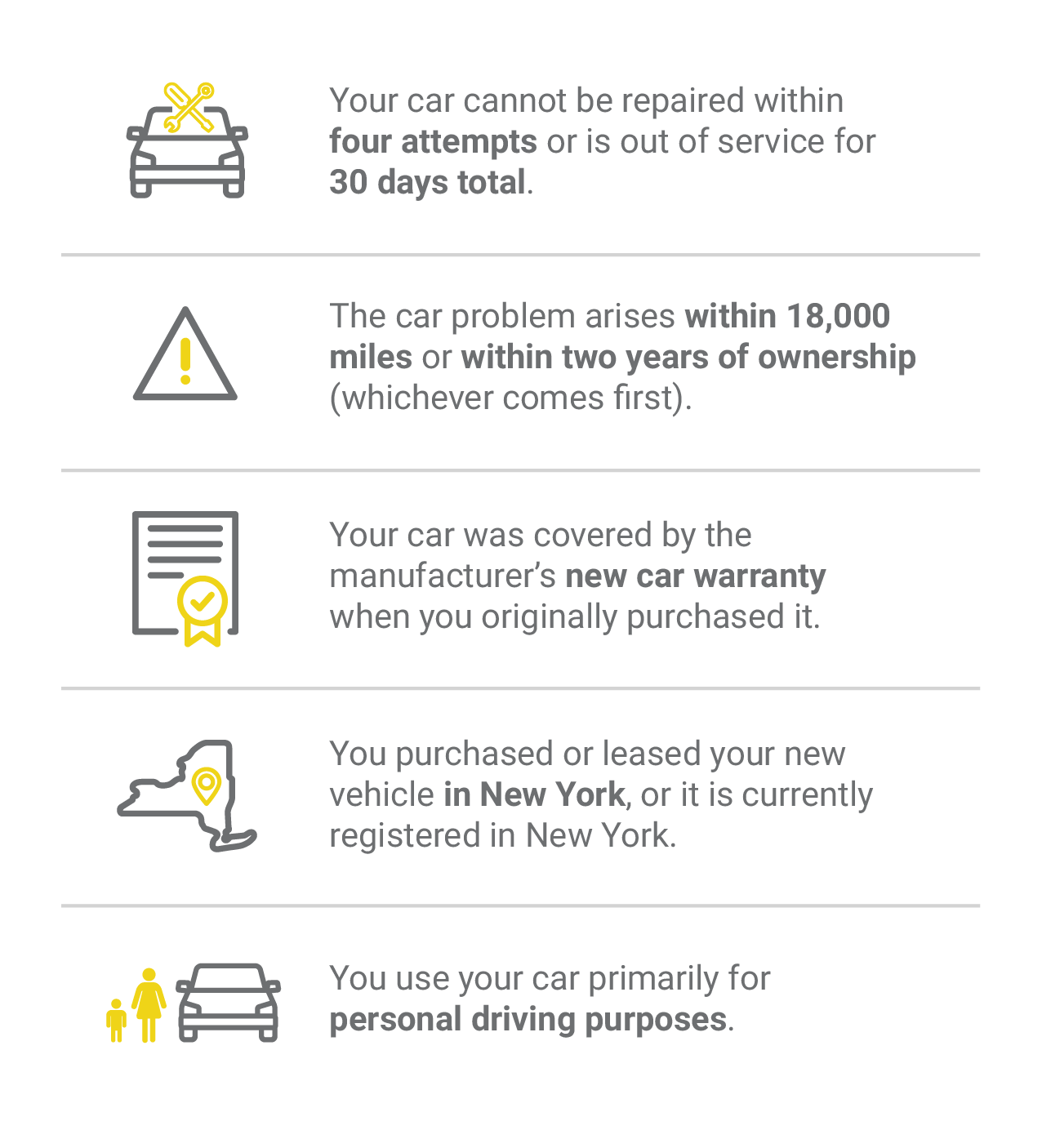
Credit: lemonlawcar.com
Frequently Asked Questions
What Are The Rules For Car Repossession In New York?
Lenders must follow state laws before repossessing a car. They cannot use force or break into your property. You have rights that protect you during this process.
Can My Car Be Repossessed Without A Court Order?
Yes, in New York, lenders can repossess cars without a court order. They must not use illegal methods or cause damage while doing so. This is called a “self-help” repossession.
How Long Do I Have To Reclaim My Repossessed Car?
You typically have a short period to reclaim your car by paying the owed amount. This is called the “redemption period. ” The exact time can vary, but it is usually a few weeks.
What Happens After My Car Is Repossessed In New York?
The lender will sell the car to recover the loan amount. You may owe the difference if the sale does not cover your debt. You should receive a notice explaining the next steps.
Conclusion
Understanding car repossession laws in New York helps protect your rights. Knowing the rules can prevent surprises and reduce stress. You can take steps to avoid losing your vehicle. Always communicate with your lender if you face trouble. Staying informed makes handling repossession easier and fairer.
Keep documents and records safe to support your case. Protect your finances by acting early and wisely. Knowledge is your best tool in tough situations.

Ismail Hossain is the founder of Law Advised. He is an Divorce, Separation, marriage lawyer. Follow him.