Motorcycle Helmet Laws in North Carolina: What You Must Know Now
Riding a motorcycle in North Carolina can be thrilling, but are you fully aware of the helmet laws that protect you? Whether you’re a new rider or have been on the road for years, knowing the rules about motorcycle helmets is crucial for your safety and to avoid fines.
This article will clear up any confusion and give you the facts you need to keep yourself safe and legal. Keep reading to find out exactly what the law requires and how you can protect yourself every time you ride.

Credit: www.reddit.com
Helmet Law Basics
Understanding the helmet laws in North Carolina is important for every motorcyclist. These laws help keep riders safe on the road. Wearing a helmet reduces the risk of serious injury during accidents.
North Carolina has specific rules about who must wear a helmet and when. Knowing these rules can help you avoid fines and stay protected.
Who Must Wear A Helmet?
In North Carolina, all motorcycle riders under 21 must wear a helmet. This rule applies to both drivers and passengers. Riders 21 and older can ride without a helmet only if they meet certain conditions.
Helmet Requirements For Riders Over 21
Riders 21 or older can choose not to wear a helmet if they have health insurance. The insurance must cover motorcycle injuries. Without this insurance, helmets are mandatory for all riders.
Helmet Standards
Helmets must meet federal safety standards. Look for a label that says the helmet complies with DOT rules. Using a helmet that meets these standards is the law and keeps you safer.
Penalties For Not Wearing A Helmet
Riders who do not follow helmet laws can face fines. The amount varies but can be costly. Police officers can stop riders without helmets and issue tickets.
Who Must Wear A Helmet
Motorcycle helmet laws in North Carolina set clear rules on who must wear a helmet. These rules protect riders and passengers from serious injuries. Understanding who needs to wear a helmet helps you follow the law and stay safe on the road.
All Riders Under 21 Years Old
In North Carolina, every motorcycle rider under 21 must wear a helmet. This rule applies to both drivers and passengers under that age. The law aims to protect young riders who face higher risks in crashes.
Riders Without Health Insurance
Riders 21 and older must wear helmets if they lack health insurance. This helps reduce medical costs from injuries. Wearing a helmet lowers the chance of severe head wounds.
Riders With Less Than Two Years Of Riding Experience
New motorcycle riders must also wear helmets for two years after getting their license. This rule supports safer riding habits during the early stages. It helps prevent accidents caused by inexperience.
Passengers On Motorcycles
Passengers on motorcycles must follow the same helmet rules as riders. Anyone under 21 or without health insurance needs a helmet. This ensures everyone on the bike stays protected.
Helmet Requirements And Standards
North Carolina has clear rules about motorcycle helmets. These rules help keep riders safe on the road. Helmets must meet certain standards to protect riders during crashes. Wearing a proper helmet lowers the risk of head injuries.
The state law requires helmets for some riders, but not all. Understanding who must wear a helmet and what kind of helmet is allowed is important for every motorcyclist.
Who Must Wear A Helmet In North Carolina?
In North Carolina, all motorcycle riders under 21 years old must wear a helmet. Riders 21 and older can choose not to wear one if they have insurance that covers head injuries. This rule balances safety and personal choice for adults.
Helmet Standards And Certification
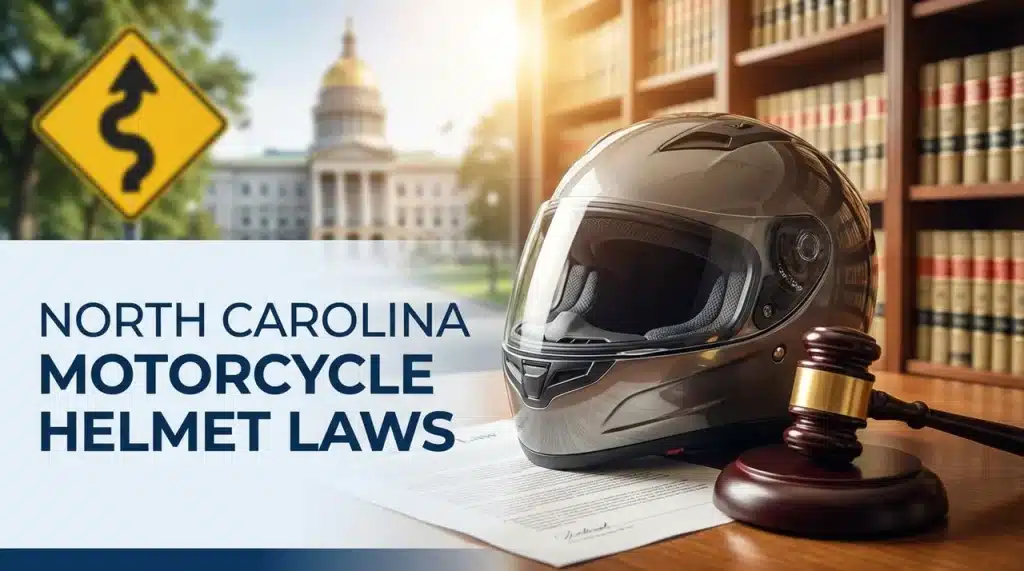
Helmets must meet safety standards set by the U.S. Department of Transportation. Look for a DOT sticker on the back of the helmet. This sticker means the helmet passed strict safety tests. Non-certified helmets do not provide enough protection.
Additional Helmet Features
Helmets should fit snugly and cover the entire head. They must have a secure chin strap. Some riders prefer helmets with face shields to protect against wind and debris. Proper fit and features improve safety and comfort.
Credit: www.roane-law.com
Penalties For Violations
North Carolina has strict rules about wearing motorcycle helmets. Breaking these rules leads to penalties. These penalties help keep riders safe on the road.
The state wants everyone to wear helmets to reduce injuries. Penalties encourage riders to follow the law. Understanding these penalties is important for every motorcyclist.
Fines For Not Wearing A Helmet
Riders caught without a helmet face fines. The fine can be up to $25 for a first offense. Repeat offenders may pay more. The cost increases with each violation.
Impact On Driving Record
Helmet violations can add points to a driver’s record. Points may lead to higher insurance rates. Too many points can cause license suspension. Staying helmet-safe helps keep your record clean.
Additional Consequences For Minors
Minors must always wear helmets in North Carolina. Parents of minors not wearing helmets may face penalties too. The law aims to protect young riders especially.
Police Enforcement
Law enforcement officers actively check for helmet use. Riders without helmets are stopped and ticketed. Officers remind riders about the importance of helmets.
Exceptions To The Helmet Law
North Carolina requires most motorcycle riders to wear helmets. This law helps reduce head injuries. Still, some riders do not have to follow this rule.
These exceptions apply to specific groups or situations. Knowing who qualifies can keep you safe and legal.
Riders Over 21 With Health Insurance
Riders aged 21 or older can ride without a helmet. They must have health insurance that covers motorcycle injuries. This rule lets experienced riders decide for themselves.
Riders With At Least Two Years Of Riding Experience
Riders 21 or older, with two years of motorcycle experience, may choose not to wear a helmet. They also need health insurance. This exception rewards riders who know motorcycle safety.
Passengers On Certain Motorcycles
Passengers on motorcycles with a windshield and a seat designed for two must wear helmets. If these conditions are met, passengers over 21 with insurance may ride without helmets.
Tips For Choosing The Right Helmet
Choosing the right motorcycle helmet is key for safety and comfort. A good helmet protects your head and reduces injury risk. It also fits well and feels comfortable during rides. Consider several factors to find the best helmet for your needs.
Fit And Size
Helmet fit is the most important factor. It should feel snug but not tight. Too loose helmets can shift and cause injuries. Measure your head circumference using a tape measure. Compare your size with the helmet brand’s size chart. Try the helmet on before buying. Check for pressure points or discomfort. A proper fit stays stable during movement.
Safety Certifications
Look for safety certifications on the helmet label. DOT certification is mandatory in North Carolina. It shows the helmet meets minimum safety standards. Snell and ECE certifications indicate higher safety levels. Choose helmets with these marks for extra protection. Never buy helmets without proper certification.
Helmet Type
Pick a helmet type that suits your riding style. Full-face helmets offer the most protection. They cover the entire head and face. Open-face helmets are lighter but less protective. Modular helmets combine features of both types. Choose a style that fits your comfort and safety needs.
Ventilation And Comfort
Good ventilation helps keep your head cool and dry. Look for helmets with multiple vents. Removable and washable liners improve hygiene. Lightweight materials reduce neck strain on long rides. Comfort features help you enjoy every trip.

Credit: www.roane-law.com
Frequently Asked Questions
What Are North Carolina’s Motorcycle Helmet Requirements?
All riders under 21 must wear a helmet that meets safety standards. Riders over 21 can ride without a helmet if they have medical insurance coverage. This law aims to balance safety with personal choice for adults.
Are There Exceptions To Helmet Laws In North Carolina?
Yes, riders over 21 who have at least $10,000 in medical insurance can ride without helmets. Also, certain vintage or custom motorcycles may have different rules. Always check local regulations for specific exceptions.
What Penalties Apply For Not Wearing A Helmet In Nc?
Riders under 21 caught without a helmet face fines and possible court costs. For riders over 21 without insurance, penalties can also include fines. Law enforcement strictly enforces these rules to promote safety.
How Do Nc Helmet Laws Compare To Other States?
North Carolina’s laws are more lenient for adults than many states. Some states require helmets for all ages, without exceptions. NC balances safety concerns with rider freedom for those over 21.
Conclusion
Wearing a helmet in North Carolina is not just smart, it’s the law for many riders. Helmets protect your head and save lives during crashes. Knowing the rules helps you stay safe and avoid fines. Always choose a helmet that fits well and meets safety standards.
Riding without a helmet can lead to serious injury and legal trouble. Stay safe on the road by following North Carolina’s helmet laws every time you ride. Safety first, always.

Ismail Hossain is the founder of Law Advised. He is an Divorce, Separation, marriage lawyer. Follow him.