

Cohabitation Laws in North Carolina: What Couples Must Know Now
Are you living with your partner in North Carolina or thinking about moving in together? Understanding cohabitation laws in the state is crucial for protecting your rights and planning your future.
You might assume that living together automatically gives you certain legal protections, but that’s not always true. Knowing what the law says can save you from unexpected problems down the road. Keep reading to discover what you need to know about cohabitation laws in North Carolina and how they could affect you and your relationship.
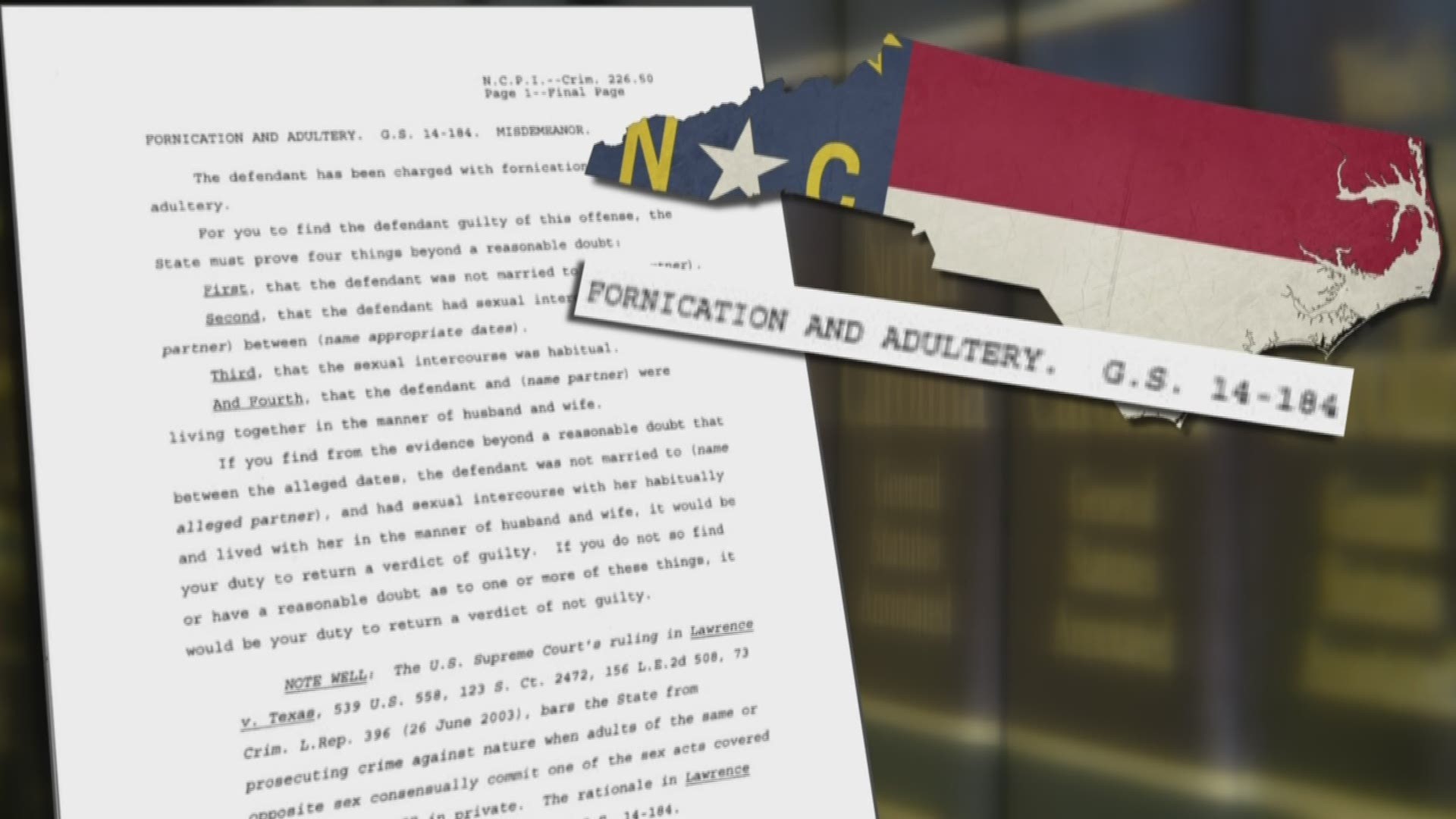
Credit: www.wfmynews2.com
Current Status Of Cohabitation Laws
Cohabitation laws in North Carolina have evolved over time. These laws affect couples who live together without marriage. Understanding the current status helps residents know their rights and obligations.
North Carolina does not recognize common-law marriage. Couples living together are not treated as married by law. This means many legal protections for married couples do not apply to cohabitants.
Property rights can become complicated for cohabiting couples. The state generally treats each person’s property separately. Without a legal agreement, one partner may not have rights to the other’s property.
Family law in North Carolina focuses on marriage and divorce. Cohabitants have limited rights in areas like inheritance and healthcare decisions. It is important for couples to plan ahead to protect themselves.
Legal Recognition Of Cohabitation
North Carolina does not legally recognize cohabitation as marriage. Couples living together have no automatic rights as spouses. Courts will not grant spousal benefits without a formal marriage.
Property And Financial Rights
Property owned before or during cohabitation stays with the owner. Shared property must have clear agreements to avoid disputes. Financial support between partners is not guaranteed by law.
Parental Rights And Responsibilities
Parents who live together have the same rights as other parents. Cohabitation does not change legal responsibilities for children. Custody and child support are handled like any other case.
Legal Protections And Agreements
Cohabiting couples can use contracts to protect their interests. Agreements like cohabitation contracts clarify property and financial issues. These documents help avoid conflicts if the relationship ends.
Credit: www.charlottedivorcelawyerblog.com
Legal Rights For Unmarried Couples
Unmarried couples in North Carolina have limited legal rights compared to married couples. The state does not recognize common law marriage, so living together does not grant automatic legal protections. It is important for couples to understand what rights they do have and how to protect themselves.
Couples who live together should consider legal agreements to clarify financial and property matters. Without these, disputes can be complicated and costly. Knowing the basic laws helps couples avoid surprises if the relationship ends.
Property Ownership And Division
North Carolina treats property based on ownership. Each partner owns what is in their name. Property bought together may be considered joint property. If the couple separates, property division depends on who holds the title.
Financial Support And Obligations
Unmarried couples have no legal duty to support each other. There is no alimony or spousal support after separation. Each partner is responsible for their own debts and expenses.
Parental Rights And Responsibilities
Parents share rights based on biology and legal agreements. Unmarried fathers must establish paternity to gain parental rights. Child custody and support follow family court rules, focusing on the child’s best interest.
Health And Emergency Decisions
Unmarried partners have no automatic rights to make medical decisions. Health care providers may not recognize a partner without legal documents. Couples should create health care powers of attorney to protect each other.
Property And Financial Considerations
Property and financial matters can get complex for couples living together in North Carolina. Unlike married couples, cohabitants do not have automatic rights to shared property or finances. This section explains the key points about property ownership and money issues for unmarried partners.
Property Ownership Rights
North Carolina law does not recognize common-law marriage. Cohabitants do not have legal claims to property owned by the other partner. Property bought by one person stays theirs unless both names are on the title. Joint ownership requires clear agreement and documentation.
Financial Responsibility And Debts
Each partner is responsible for their own debts. Creditors cannot claim the other partner’s assets for unpaid bills. Couples must decide how to share expenses like rent, utilities, and groceries. Written agreements help avoid confusion and disputes.
Agreements For Cohabitants
Many couples create cohabitation agreements. These legal documents outline property division and financial duties. Agreements offer protection and clarity if the relationship ends. It is wise to consult a lawyer to draft these papers properly.
Child Custody And Support Issues
Child custody and support issues are important for couples living together in North Carolina. The law treats children’s needs as a top priority. Understanding how these issues work helps protect both parents and children.
Parents must know their rights and duties. Custody decisions focus on what is best for the child’s well-being. Support payments ensure children have basic needs met.
Child Custody Rights For Cohabitating Parents
In North Carolina, custody is based on the child’s best interest. Both parents can seek custody, regardless of marriage status. Courts look at the child’s safety, health, and emotional needs. A parent who has cared for the child may have strong custody rights.
Determining Child Support Obligations
Child support depends on both parents’ incomes. The law requires fair financial support for the child. Support covers food, clothing, housing, and education. Parents must provide support even if not married or living apart.
Legal Steps To Establish Custody And Support
Parents should file court papers to set custody and support terms. Agreements made outside court may not be legally binding. A judge can order official custody and support arrangements. This creates clear rules and protects the child’s future.
Impact Of Cohabitation On Benefits
Cohabitation in North Carolina can affect various benefits. Knowing these impacts helps couples plan better. Some benefits depend on marital status. Living together without marriage may change eligibility.
This section explains key benefits affected by cohabitation laws. It covers government assistance, insurance, and retirement benefits.
Government Assistance Programs
Many government programs check household income. Cohabiting couples often combine incomes. This can reduce or stop benefits like food stamps or Medicaid. Reporting all adults in the home is required. Failure to report can cause penalties or loss of benefits.
Health Insurance Coverage
Health insurance rules vary by employer and plan. Some plans allow adding a cohabiting partner. Others only cover legal spouses or dependents. Couples should review their insurance policy carefully. Understanding coverage helps avoid unexpected costs.
Social Security And Retirement Benefits
Social Security benefits depend on legal marriage status. Cohabiting couples do not qualify for spousal or survivor benefits. Retirement accounts also treat cohabiting partners differently. Couples should consider this when planning for the future.
Steps To Protect Your Relationship Legally
Protecting your relationship legally is important in North Carolina. Cohabiting couples do not have the same rights as married couples. This means couples must take specific steps to secure their rights and interests.
Taking clear legal actions helps avoid future problems. It also provides peace of mind for both partners. Below are important steps to consider.
Creating A Cohabitation Agreement
A cohabitation agreement is a contract between partners. It outlines property rights and financial responsibilities. This agreement helps clarify each partner’s share. It can also cover debts and support. Having a written contract is crucial for legal protection.
Establishing Power Of Attorney
Power of attorney lets your partner make decisions for you. This can include medical and financial choices. Without it, partners may lack authority in emergencies. Setting up power of attorney protects both partners’ interests. It ensures someone you trust acts on your behalf.
Updating Wills And Beneficiaries
Updating wills is essential to protect your partner. This designates your partner as a beneficiary. It covers assets like property, savings, and insurance. Without a will, state laws may not favor your partner. Clear documentation avoids legal disputes later.
Consulting A Family Law Attorney
A family law attorney offers expert advice. They explain your rights and options clearly. Attorneys help draft legal documents that fit your needs. Consulting a lawyer ensures your agreement is valid and fair. Legal guidance strengthens your relationship’s protection.
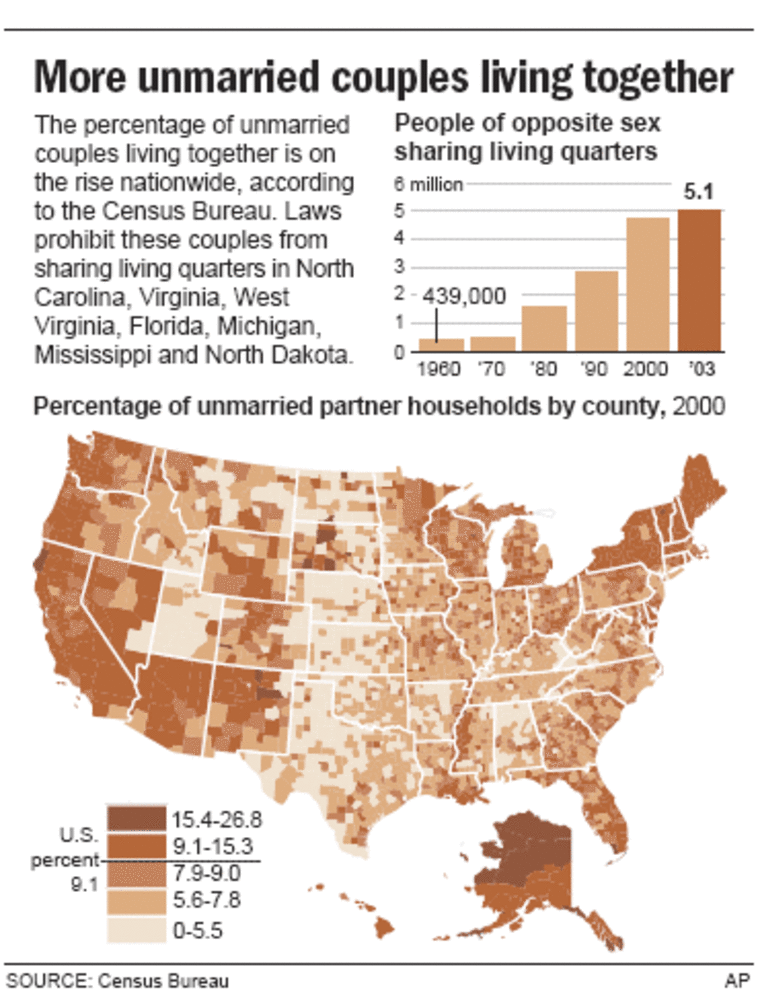
Credit: www.nbcnews.com
Frequently Asked Questions
What Are The Cohabitation Laws In North Carolina?
North Carolina does not recognize common law marriage. Couples living together without marriage have limited legal rights. Property and support claims can be difficult without a formal agreement.
Can Unmarried Couples Share Property Rights In North Carolina?
Unmarried couples do not automatically share property rights. Each person owns what they put in their name. A written contract can help protect shared property interests.
Does North Carolina Law Provide Support For Unmarried Partners?
Unmarried partners are not entitled to spousal support. Courts usually do not order financial support after a breakup. Support claims require a legal marriage or specific contracts.
How Can Unmarried Couples Protect Their Rights In North Carolina?
Couples should consider cohabitation agreements to protect rights. These contracts outline property sharing and financial responsibilities. Legal advice can help create a clear and fair agreement.
Conclusion
North Carolina does not recognize common-law marriage or cohabitation rights. Couples living together have limited legal protections. It’s important to know your rights before cohabiting. Talking openly about finances and property helps avoid problems. Legal advice can guide you through complex situations.
Understanding the laws keeps your relationship clear and fair. Stay informed to protect yourself and your partner. Simple steps can prevent future conflicts. Knowledge is key for peaceful cohabitation in North Carolina.

Ismail Hossain is the founder of Law Advised. He is an Divorce, Separation, marriage lawyer. Follow him.