Vehicle Repossession Laws in North Carolina: What You Need to Know
If you’re facing the possibility of losing your vehicle, understanding your rights and the laws around vehicle repossession in North Carolina is crucial. You might feel overwhelmed or unsure about what can happen next, but knowing the rules can help you protect yourself and your property.
This article will walk you through exactly how repossession works, what the lender can and cannot do, and what steps you can take to avoid losing your car. Keep reading to get clear, straightforward answers that could save you time, money, and stress.

Credit: www.billsbills.com
North Carolina Repossession Basics
Understanding vehicle repossession laws in North Carolina helps protect your rights. Knowing the basics prepares you for what to expect if a lender takes back a car. These rules guide how repossession happens and what steps follow.
The state allows lenders to repossess vehicles after missed payments. But they must follow certain rules to do so legally. This section explains key points about repossession in North Carolina.
What Triggers Vehicle Repossession?
Missed car payments often lead to repossession. Lenders usually start after one or more payments are late. The loan contract often explains when repossession can happen.
How Does Repossession Happen?
Lenders can repossess a vehicle without warning. They do not need to go to court first. The repossession must not break the peace or cause damage.
Notice Requirements In North Carolina
After repossession, lenders must notify the borrower. This notice includes information on how to recover the vehicle. It also explains how to pay off the debt or redeem the car.
Rights After Repossession
Borrowers can request a detailed account of the debt. They can also pay the balance to get their vehicle back. North Carolina law protects against illegal repossession actions.
Sale Of Repossessed Vehicle
Lenders sell repossessed cars to recover money. They must sell the vehicle fairly and at a reasonable price. Borrowers receive any remaining money after the sale.
Legal Rights Of Lenders
Lenders have specific legal rights when a borrower fails to pay a car loan in North Carolina. These rights allow lenders to recover the loan amount by taking back the vehicle. Understanding these rights can help borrowers know what to expect during repossession.
North Carolina law sets rules lenders must follow during repossession. These rules protect both lenders and borrowers. Lenders can only repossess vehicles in certain ways and under certain conditions.
Right To Repossess Without Court Order
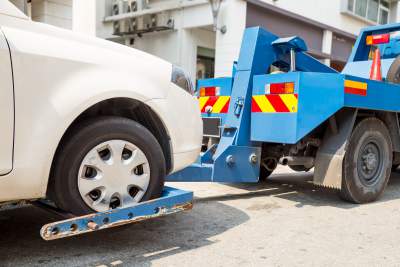
Lenders can take back a vehicle without a court order if the borrower defaults. This process is called non-judicial repossession. The lender must not break the peace or enter private property illegally. They can tow the vehicle if it is parked in a public place.
Right To Sell The Repossessed Vehicle
After repossession, lenders can sell the vehicle to recover money owed. The sale must be conducted in a commercially reasonable way. This means the sale should be fair and honest to get a proper price.
Right To Keep Deficiency Balance
If the sale of the vehicle does not cover the loan balance, lenders can ask the borrower to pay the remaining amount. This leftover amount is called a deficiency balance. Borrowers are responsible for paying this balance under North Carolina law.
Right To Provide Notice To Borrowers
Lenders must notify borrowers about the repossession and sale of the vehicle. This notice includes details about the sale date and how to get the remaining balance. Providing this information is a legal requirement in North Carolina.
Consumer Protections In Repossession
Consumer protections in vehicle repossession help balance the rights of lenders and borrowers. These laws ensure repossession happens fairly and legally in North Carolina. They also protect consumers from unfair treatment during the process.
Understanding these protections can reduce stress and confusion. Knowing your rights helps you respond properly if your vehicle is at risk.
Right To Notice Before Repossession
In North Carolina, lenders must notify you before they repossess your vehicle. This notice tells you about missed payments and the risk of repossession. It gives you a chance to catch up on payments or work out a deal.
Peaceful Repossession Requirement
Repossession agents must take your vehicle without causing a disturbance. They cannot break into your home or use physical force. The process must be peaceful and respectful of your property.
Right To Redeem The Vehicle
You have the right to pay off your loan and get your car back. This is called redeeming the vehicle. Paying the full amount due stops the repossession and keeps you on the road.
Protection Against Deficiency Charges
After repossession, you may owe a deficiency if the car sells for less. North Carolina law limits how lenders calculate this amount. This protects you from unfair extra charges after losing your vehicle.
Right To Receive A Sale Notice
Lenders must inform you before they sell your repossessed car. This notice includes the sale date and details. It gives you time to prepare and possibly recover some value from the sale.

Credit: www.suethecollector.com
Repossession Process Steps
The repossession process in North Carolina follows clear legal steps. These steps protect both the lender and the borrower. Knowing what happens during repossession helps you stay prepared. Each step must comply with state laws.
Repossession starts after missed payments. The lender decides to take back the vehicle. They must act without breaking any rules. The process is straightforward but strict.
Notice Of Default
The first step is the notice of default. The lender sends this to the borrower. It tells about missed payments and possible repossession. This notice gives a chance to fix the problem.
Right To Cure Period
North Carolina law may allow a right to cure. It means the borrower can pay overdue amounts. This stops the repossession if done quickly. The cure period is usually short.
Repossession Without Breach Of Peace
Repossession agents must follow strict rules. They cannot break into private property. Agents must avoid violence or threats. The vehicle can be taken only peacefully.
Post-repossession Notice
After taking the vehicle, the lender sends a notice. This notice shows where the vehicle is stored. It also explains how to get it back. The borrower has limited time to act.
Sale Of The Vehicle
The lender can sell the repossessed vehicle. The sale must be in a reasonable time. It must be done openly and fairly. The borrower may get money from the sale after debts.
Redeeming Your Vehicle
Redeeming your vehicle after repossession in North Carolina is a key step to keep your car. This process allows you to recover your vehicle by settling your debts. Knowing the rules can help you act quickly and avoid further problems.
North Carolina law gives you certain rights to redeem your vehicle. You must understand the timeline and the costs involved. Acting fast can save you money and stress.
What Does Redeeming Mean?
Redeeming means paying off the full amount you owe on your car loan. This includes missed payments, fees, and repossession costs. Once paid, you get your vehicle back.
How Long Do You Have To Redeem?
North Carolina law does not set a fixed time to redeem. But you should act quickly before the lender sells your car. The lender must notify you before selling the vehicle.
Costs To Redeem Your Vehicle
You must pay the full loan balance plus fees. Repossession and storage fees add to the cost. These must be paid in full to redeem the vehicle.
Steps To Redeem Your Vehicle
First, contact your lender to get the exact amount owed. Second, arrange payment for the total redemption amount. Third, collect your vehicle once the payment is made.
After Redemption
Once redeemed, the lender must return your vehicle immediately. Keep all payment receipts as proof. Your credit report may still show the repossession, but you avoided losing the car.
Credit: www.swlawnc.com
Avoiding Repossession Issues
Vehicle repossession can cause serious problems. It affects your credit score and daily life. Avoiding repossession is important to keep your car and financial stability.
Understanding your rights and responsibilities helps you stay in control. Simple steps can prevent repossession and reduce stress.
Communicate With Your Lender Early
Contact your lender at the first sign of trouble. Explain your situation honestly. Lenders may offer payment plans or temporary relief. Silence can lead to faster repossession.
Keep Up With Payments
Pay your monthly bills on time. Even partial payments show good faith. Set reminders or automatic payments. This helps avoid missed deadlines and penalties.
Know Your Rights Under North Carolina Law
North Carolina law requires lenders to follow specific rules. They cannot use force or break into your home. Repossession must happen without causing a breach of peace. Knowing these rules protects you.
Create A Budget For Car Expenses
Plan your income and expenses carefully. Include loan payments, insurance, and maintenance. A budget helps you see where to save money. It reduces the chance of missed payments.
Seek Help From Credit Counselors
Credit counselors offer free or low-cost advice. They help create a plan to manage debt. Professional guidance can improve your financial situation. This support may prevent repossession.
Frequently Asked Questions
What Are The Basic Rules For Vehicle Repossession In North Carolina?
North Carolina allows lenders to repossess vehicles without court approval if you default. They must not break the peace or use force during repossession. The lender can sell the vehicle to recover the loan balance.
How Much Notice Must A Lender Give Before Repossessing A Car?
Lenders in North Carolina do not have to give you a warning before repossessing your vehicle. They can take your car once you miss a payment. You will be notified afterward about the sale and any remaining debt.
Can A Lender Sell My Repossessed Vehicle Without Notifying Me?
Yes, a lender can sell the vehicle after repossession but must notify you. The notice will include the sale date and how to get any leftover money. You have the right to attend the sale or redeem the vehicle before it’s sold.
What Options Do I Have After My Vehicle Is Repossessed?
You can pay off the full loan amount to get your car back. Another option is to pay the past due amount and fees to redeem it. If the vehicle is sold, you may owe the remaining balance, called a deficiency.
Conclusion
Knowing North Carolina’s vehicle repossession laws helps protect your rights. Lenders must follow specific rules before taking your car. You can challenge illegal repossessions in court. Staying informed avoids surprises and costly mistakes. Always read your loan agreement carefully. Understanding the process gives you more control.
Repossession is serious, but knowing the law can ease stress. Keep communication open with your lender to find solutions. Being prepared helps you handle repossession calmly and fairly.

Ismail Hossain is the founder of Law Advised. He is an Divorce, Separation, marriage lawyer. Follow him.