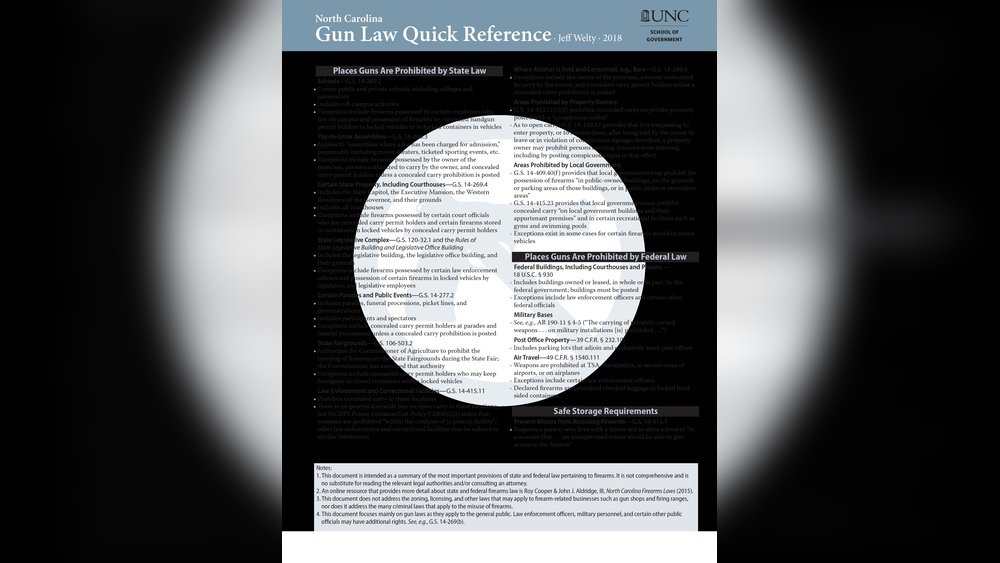
Open Carry Gun Laws in North Carolina: What You Need to Know Today
If you live in North Carolina or plan to visit, understanding the open carry gun laws is essential for your safety and peace of mind. You might wonder when and where you can openly carry a firearm without breaking the law.
Knowing the rules helps you avoid serious trouble and ensures you exercise your rights responsibly. This guide will break down the key points you need to know about open carry in North Carolina, so you can feel confident and informed every time you step outside with your firearm.
Keep reading to get clear answers and practical tips tailored just for you.
Credit: www.wcnc.com
North Carolina Open Carry Basics
Open carry means carrying a firearm visibly in public. North Carolina allows open carry of handguns and long guns. People can carry guns without a permit in most places.
The state has specific rules to follow for open carry. Knowing these rules helps avoid legal trouble. This section explains the main points of open carry in North Carolina.
Who Can Open Carry In North Carolina?
Anyone 18 years or older may openly carry a firearm. No special license is required for open carry. Some restrictions apply, like no guns for convicted felons.
Where Can You Open Carry?
Open carry is allowed in most public places. Some locations ban firearms, such as schools and government buildings. Private property owners can also forbid open carry.
Restrictions And Exceptions
Open carry is not allowed in certain areas. Bars, courthouses, and some parks restrict firearms. Always check local rules before carrying openly.
Open Carry And Concealed Carry Differences
Open carry shows the gun openly. Concealed carry hides the gun under clothing. North Carolina requires a permit for concealed carry but not for open carry.

Credit: www.usconcealedcarry.com
Where You Can Openly Carry
North Carolina allows open carry of firearms in many places. Knowing where you can openly carry helps you follow the law. It also keeps you and others safe. This section explains the main locations where open carry is allowed in North Carolina.
Public Streets And Sidewalks
You can openly carry a gun on public streets and sidewalks. The gun must be visible and not hidden. This right applies to most outdoor public areas. Always be aware of local rules that might limit carrying in some spots.
Private Property With Permission
Open carry is allowed on private property if the owner agrees. Without permission, carrying a gun on private land can lead to trouble. Always get consent from property owners before carrying openly.
State Parks And Wildlife Areas
Open carry is permitted in many state parks and wildlife areas. Some places may have special rules about firearms. Check specific park rules before carrying to avoid problems.
Businesses That Allow Open Carry
Some businesses permit open carry on their premises. Look for signs that say guns are not allowed. If no sign is present, open carry is usually allowed. Respect business owners’ wishes to keep peace.
Restrictions And Prohibited Areas
North Carolina allows open carry of guns, but there are clear restrictions. These rules protect public safety and guide responsible gun use. Knowing where you cannot open carry is important for every gun owner.
Some places have strict bans on open carry. Breaking these rules can lead to fines or legal trouble. Being aware of these limits helps avoid problems.
Prohibited Areas For Open Carry
Certain locations do not allow open carry under any circumstances. Schools and government buildings are common examples. These areas prioritize safety and security.
Private property owners can also ban open carry. Look for signs that say no firearms allowed. Respecting these rules keeps peace with property owners.
Restrictions In Public Places
Open carry is limited in some public spaces. Bars and places that serve alcohol often restrict guns. This rule aims to reduce risks related to drinking and firearms.
Events with large crowds may also limit open carry. Organizers want to keep everyone safe. Always check event rules before carrying openly.
State Park And Wildlife Rules
Carrying guns openly in state parks has specific laws. Some parks allow open carry, while others do not. Wildlife areas may have extra restrictions to protect animals.
Check local rules before visiting parks with a firearm. Following these laws helps preserve nature and ensures safety.
Permit Requirements And Exceptions
Understanding permit requirements and exceptions is key to following North Carolina’s open carry laws. The state has clear rules about who can openly carry a gun and when a permit is needed. Knowing these details helps avoid legal trouble.
Permit Requirements For Open Carry
North Carolina allows most adults to openly carry handguns without a permit. People must be at least 18 years old. Carrying openly is legal in most public areas. No background check is needed just to carry openly.
However, some places require a permit. For example, carrying a concealed handgun needs a concealed carry permit. This permit requires a background check and training. Open carry does not require this permit unless the gun is hidden.
Exceptions To Open Carry Rules
Some areas ban open carry, even if you have a permit. Schools, government buildings, and private property owners can forbid guns. Private businesses can post signs that stop open carry on their property.
Certain people cannot carry guns openly. These include convicted felons and those under restraining orders. Also, people with certain mental health conditions may be barred from carrying firearms.
Interactions With Law Enforcement
Interactions with law enforcement can be tense for people carrying guns openly. Knowing your rights and what to expect helps keep these meetings calm and safe. North Carolina law sets clear rules for open carry and police encounters.
Understanding these rules reduces misunderstandings. It also protects your rights and the officer’s safety. Stay calm, respectful, and clear during any police stop.
What To Do When Approached By Police
Keep your hands visible and avoid sudden moves. Tell the officer you are openly carrying a gun. Follow their instructions carefully without arguing. Answer questions politely but only share what is necessary.
Do not reach for your weapon unless asked. This helps avoid confusion or fear. Remember, the police need to ensure everyone’s safety.
Your Legal Rights During Police Contact
You have the right to carry openly in North Carolina. Police can ask for ID and gun permits. You must provide these if requested. You also have the right to remain silent beyond giving ID.
Do not lie or resist. These actions can lead to arrest. Knowing your rights helps you stay calm and clear.
How Police Should Handle Open Carry Situations
Officers must treat you with respect and fairness. They should explain the reason for the stop. Officers should not automatically assume a threat. Their goal is to keep everyone safe.
Police may check your gun permit and ID. They may ask questions about your intent. These steps help officers understand the situation better.
Recent Changes And Legal Updates
North Carolina has seen several changes in open carry gun laws recently. These updates affect how and where people can carry firearms openly. Staying informed is important for all gun owners in the state.
Some new rules clarify where open carry is allowed. Others set new limits on carrying guns in specific places. Understanding these changes helps avoid legal trouble and ensures safe gun use.
The state has expanded places where open carry is legal. Now, more public areas allow carrying guns openly. This gives gun owners more freedom while respecting safety rules.
Certain private properties still restrict open carry. Checking local signs and rules before entering helps prevent problems.
New laws tighten restrictions near schools and government buildings. Open carry is mostly banned in these zones. These changes aim to protect children and officials.
Violating these rules can lead to serious penalties. Gun owners must know these limits to comply with the law.
Updates in concealed carry permits influence open carry rules. Some permit holders now have more open carry rights. Others face new requirements or paperwork.
Knowing your permit status helps you carry legally and safely. Always check the latest permit rules issued by the state.

Credit: www.usconcealedcarry.com
Frequently Asked Questions
Can I Open Carry A Handgun In North Carolina?
Yes, North Carolina allows open carry of handguns without a permit for people 18 and older. You must not be a convicted felon or prohibited from owning guns by law.
Where Is Open Carry Of Guns Not Allowed In North Carolina?
Open carry is banned in schools, government buildings, and private property where owners forbid guns. Also, it is illegal in places serving alcohol if you are drinking.
Do I Need A Permit To Open Carry A Firearm In North Carolina?
No permit is needed for open carrying handguns in North Carolina. But a permit is required for concealed carry.
Can I Open Carry A Rifle Or Shotgun In North Carolina?
Yes, open carry of rifles and shotguns is allowed without a permit in North Carolina. Just follow all other state and local gun laws.
Conclusion
North Carolina’s open carry laws allow carrying guns openly with few restrictions. Knowing the rules helps you stay safe and legal. Always check local laws before carrying in public places. Respect private property and law enforcement directions. Staying informed protects your rights and others around you.
Open carry comes with responsibility and awareness. Stay updated as laws can change anytime. Understanding these basics makes carrying easier and safer for everyone.

Ismail Hossain is the founder of Law Advised. He is an Divorce, Separation, marriage lawyer. Follow him.