Custody Laws in Ohio for Unmarried Parents: Essential Guide 2026
If you’re an unmarried parent in Ohio, understanding custody laws can feel overwhelming and confusing. You want what’s best for your child, but navigating the legal system isn’t easy.
What rights do you have? How can you protect your relationship with your child? This article will guide you step-by-step through Ohio’s custody laws for unmarried parents, helping you make informed decisions with confidence. Keep reading to learn what you need to know to secure your child’s future and your parental rights.
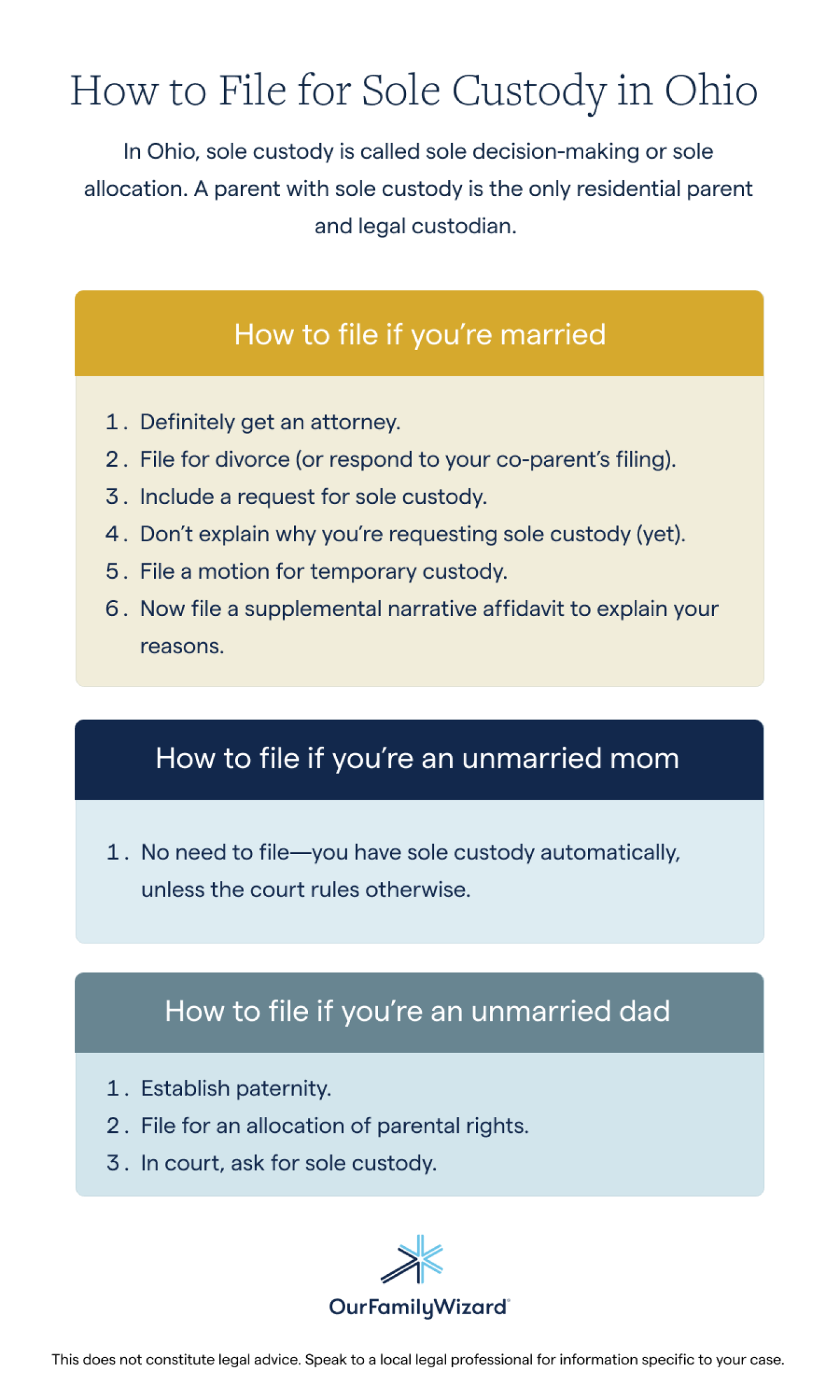
Credit: www.ourfamilywizard.com
Custody Rights For Unmarried Parents
Unmarried parents in Ohio face unique challenges regarding custody rights. The law treats them differently than married couples. Understanding these rights helps parents protect their relationship with their child.
Ohio law focuses on the child’s best interest. Parents must know their rights and the steps to secure custody. Clear knowledge prevents future legal problems.
Establishing Paternity
Paternity must be established for the father to gain custody rights. This confirms the legal relationship between father and child. Without it, the father has no legal claim.
Ohio allows paternity through voluntary acknowledgment or court order. Signing a birth certificate does not always prove paternity. A legal process may be necessary to confirm it.
Legal Custody Vs Physical Custody
Legal custody means the right to make important decisions about the child’s life. This includes education, health care, and religion. Both parents can share legal custody.
Physical custody is about where the child lives. One parent may have primary physical custody, while the other gets visitation. Courts decide based on the child’s best interest.
Parental Rights Without Marriage
Unmarried mothers automatically have full custody rights at birth. Fathers must establish paternity to gain rights. After that, fathers can seek custody or visitation.
Ohio courts encourage both parents to stay involved. The law supports shared custody when possible. Parental rights depend on the child’s safety and well-being.

Credit: hmohiolaw.com
Filing For Custody In Ohio
Ohio law allows unmarried parents to file for custody to protect their child’s best interests. Courts focus on the child’s safety, health, and stability when deciding custody. Parents can seek legal or physical custody through the court system.
Filing for custody in Ohio requires careful preparation and understanding of legal steps. Unmarried parents must follow state laws to establish custody rights. The process begins with submitting the proper paperwork to the court. This step ensures the court can review and decide on custody matters.
Each case is unique, but some common requirements and procedures apply to all. Knowing these can help parents navigate the system smoothly. Clear documentation and timely filing play a key role in the outcome.
Required Documentation
Parents need to gather several important documents before filing. Proof of paternity is often necessary to establish parental rights. This may include a birth certificate or DNA test results.
Other documents include identification, proof of residency, and any agreements about custody or visitation. Financial records and any evidence related to the child’s well-being may also be required. Organizing these papers helps avoid delays in court processing.
Court Procedures
The court process starts with filing a custody complaint or motion. The court schedules a hearing to review the case. Both parents can present their views and evidence during this hearing.
The judge considers the child’s best interests, including safety and stability. Mediation may be ordered to help parents reach an agreement outside court. If no agreement is reached, the judge makes the final custody decision.
Timeline And Costs
Custody cases can take several months to resolve. The timeline depends on case complexity and court schedules. Simple cases may conclude in a few weeks, while contested cases take longer.
Costs include filing fees, which vary by county. Parents may also face expenses for legal representation and mediation. Some courts offer fee waivers for those with financial hardship.
Factors Influencing Custody Decisions
Custody decisions for unmarried parents in Ohio depend on many factors. The court focuses on what helps the child the most. It looks at each parent’s situation carefully. The goal is to find a stable and loving environment for the child. Below are key points the court considers when deciding custody.
Child’s Best Interests
The child’s safety and happiness come first. Courts ask which parent can meet the child’s emotional and physical needs. They consider the child’s age, health, and any special needs. The court wants to keep the child’s routine as normal as possible. They avoid changes that could hurt the child’s well-being.
Parental Fitness And Stability
Each parent’s ability to care for the child matters. The court checks if a parent can provide a safe home. It looks at each parent’s mental and physical health. The court also considers any history of abuse or neglect. Stability in a parent’s life is important for the child’s growth.
Living Arrangements And Support
The place where the child will live is a key factor. Courts assess if the home is safe and child-friendly. They also check how close the home is to schools and family. Financial support is reviewed to ensure the child’s needs are met. The parent who can offer a stable living situation often has an advantage.

Credit: themeadelawgroup.com
Modifying Custody Agreements
Modifying custody agreements can become necessary as life changes. Ohio law allows parents to request changes when the current agreement no longer fits the family’s needs. Courts always focus on the child’s best interest during these decisions.
Changes might involve custody time, visitation schedules, or decision-making authority. Understanding the process helps parents navigate these adjustments smoothly and protect their rights.
When To Seek Changes
Changes in a child’s needs or a parent’s situation often require custody adjustments. Moving to a new city, changes in work schedules, or changes in the child’s health or education can be reasons. If the current arrangement harms the child’s well-being, a change is necessary. Parents should act only if they have solid reasons and evidence.
Legal Process For Modification
To modify custody, a parent must file a petition with the court. The court reviews the request and may schedule a hearing. Both parents can present evidence and explain their situation. The judge focuses on the child’s best interest, not on the parents’ preferences. A legal order is issued after the court decides, making the new arrangement official.
Impact On Child And Parents
Modifying custody affects both the child and parents deeply. It can reduce stress if the new plan fits better with the child’s routine. Changes may cause temporary adjustment challenges for the child. Parents might face changes in time spent together and responsibilities. Open communication and cooperation help ease transitions for everyone involved.
Frequently Asked Questions
What Rights Do Unmarried Parents Have In Ohio Custody Cases?
Unmarried parents have equal rights to seek custody in Ohio. Both can ask the court to decide custody based on the child’s best interest. Legal steps may be needed to establish paternity first.
How Is Custody Decided For Unmarried Parents In Ohio?
Ohio courts focus on the child’s best interest. Factors include the child’s safety, health, and relationship with each parent. The court also considers each parent’s ability to care for the child.
Can Unmarried Fathers Get Custody Without Being Married In Ohio?
Yes, but fathers must legally establish paternity first. This can be done through a court order or by signing a paternity affidavit. Once paternity is established, fathers can request custody or visitation.
What Types Of Custody Can Unmarried Parents Have In Ohio?
Parents can have legal custody (decision-making) and/or physical custody (where the child lives). Custody can be sole or shared, depending on what the court finds best for the child.
How Do Unmarried Parents Create A Custody Agreement In Ohio?
Parents can make an agreement outside court with legal help. This agreement should cover visitation and decision-making responsibilities. The court must approve the agreement to make it official.
Conclusion
Ohio custody laws for unmarried parents focus on the child’s best interest. Both parents can share custody if they cooperate. Establishing legal custody helps protect parental rights. Courts consider many factors before deciding custody. Clear communication between parents makes the process easier.
Knowing your rights can reduce stress and confusion. Custody decisions affect the child’s well-being and future. Stay informed and seek legal advice if needed. Remember, the child’s safety and happiness come first.

Ismail Hossain is the founder of Law Advised. He is an Divorce, Separation, marriage lawyer. Follow him.