Labor Laws in Oklahoma Breaks: Essential Rights Every Worker Must Know
Are you aware of the latest changes in labor laws in Oklahoma? These updates could directly affect your rights at work, your paycheck, and even your job security.
Understanding what has changed—and what it means for you—is more important than ever. Keep reading to discover how these new labor laws might impact your daily work life and what steps you can take to protect yourself. Don’t miss out on crucial information that could save you time, money, and stress.

Credit: www.reddit.com
Oklahoma Break Laws Basics
Oklahoma does not require employers to provide breaks or meal periods by law. Many workers still get short rest breaks, but these are not guaranteed. Rules may change if an employer offers paid or unpaid breaks.
Oklahoma break laws set rules for employee rest and meal periods. These laws help workers stay healthy and productive during work hours. Knowing these basics ensures both employers and employees follow the law.
In Oklahoma, break rules depend on the employer’s policy. The state does not require paid breaks or meal periods for most workers. Still, many companies offer breaks to keep employees comfortable.
Federal law also plays a role. The Fair Labor Standards Act (FLSA) guides break times and pay. It says short breaks under 20 minutes must be paid. Meal breaks usually last 30 minutes or more and are unpaid.
Rest Breaks And Paid Time
Rest breaks are short pauses from work. They often last about 10 to 15 minutes. Oklahoma law does not require employers to give paid rest breaks. However, if the break is short, it usually counts as paid time.
Employers may decide on break policies. Many provide paid breaks to boost morale and reduce fatigue. Workers should check their company rules on breaks and pay.
Meal Breaks And Unpaid Time
Meal breaks are longer than rest breaks. They usually last 30 minutes or more. Oklahoma law does not require employers to give meal breaks. Most meal breaks are unpaid if the employee is free from work duties.
During unpaid meal breaks, employees must be completely relieved from work tasks. If employees work during their meal break, the break must be paid.
Exceptions And Special Cases
Some jobs have different break rules. Jobs with hazardous conditions might need extra rest. Youth workers under 18 have specific break rules under federal law. Employers must follow these special rules carefully.
Understanding exceptions helps avoid legal problems. Both workers and employers benefit from clear break policies.

Credit: www.reddit.com
Types Of Breaks Workers Receive
Workers in Oklahoma have rights to different types of breaks during their workday. These breaks help employees rest and stay productive. Understanding these breaks is important for both workers and employers. Below are the main types of breaks workers receive under Oklahoma labor laws.
Meal Breaks
Oklahoma does not require employers to give meal breaks. But many companies offer a 30-minute or longer meal break for shifts over five hours. During this time, workers can eat and relax. Meal breaks are usually unpaid if the worker is free from duties.
Rest Breaks
Short rest breaks, like 10 to 15 minutes, may be given during shifts. These breaks help workers refresh without leaving the worksite. Rest breaks are often paid since workers must stay available. Oklahoma law does not mandate rest breaks but encourages fair treatment.
Overtime Considerations
Overtime rules affect break times in some cases. If a break is under 20 minutes, it counts as work time. For longer breaks, the time may not count as work. Employers must follow federal overtime laws for workers over 40 hours per week. Breaks should not reduce overtime pay.
Employer Responsibilities For Breaks
Employers in Oklahoma must follow clear rules about employee breaks. These rules protect workers’ rights and help businesses stay fair and legal. Employers must know their duties to provide breaks properly.
Breaks give workers time to rest and recharge. Employers must schedule breaks at the right times. They must also pay employees correctly during these breaks. Keeping good records of breaks is important for legal compliance.
Scheduling Breaks
Employers should plan breaks so workers can rest. Breaks usually happen every few hours during a shift. The law does not require breaks, but many companies choose to give them. Scheduling breaks helps keep employees alert and productive.
Pay During Breaks
Short breaks, usually under 20 minutes, must be paid. Longer breaks, like lunch, do not have to be paid if the employee is free to leave. Employers must clearly tell workers about pay rules during breaks. Paying correctly avoids disputes and fines.
Recordkeeping Requirements
Employers must keep records of all breaks given. These records show compliance with labor laws. Good recordkeeping helps resolve any questions about breaks. Employers should track break times and duration accurately.
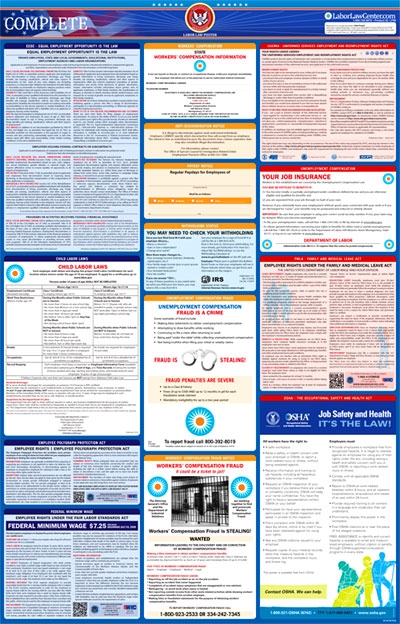
Credit: www.laborlawcenter.com
Worker Rights And Common Violations
Workers in Oklahoma have clear rights regarding breaks during their work shifts. These rights protect employees from unfair treatment. Knowing these rights helps workers identify when employers break the rules.
Common violations often involve denying breaks or making workers skip rest times. Understanding these issues guides employees on how to respond and protect themselves at work.
Refusing Breaks
Employers must allow breaks as required by law or company policy. Refusing breaks can cause stress and reduce productivity. Some workers face pressure to skip breaks to meet work demands. This refusal breaks labor laws and harms employee well-being.
Reporting Violations
Workers should report denied breaks to supervisors or human resources. Keeping a record of missed breaks helps in complaints. If internal reporting fails, employees can contact the Oklahoma Department of Labor. Reporting protects your rights and supports fair treatment at work.
Legal Remedies
Workers denied breaks can seek legal help to enforce their rights. Courts may order employers to pay fines or compensation. Legal action ensures employers follow labor laws. Knowing your options empowers you to stand up for fair breaks.
Frequently Asked Questions
What Are The Main Labor Laws In Oklahoma?
Oklahoma’s labor laws cover wages, work hours, and workplace safety. They ensure fair treatment for most employees. Employers must follow these rules strictly.
How Does Oklahoma Handle Minimum Wage Regulations?
The minimum wage in Oklahoma matches the federal rate of $7. 25 per hour. Some cities may have different rules, but state law follows federal standards. Employers must pay at least this amount.
What Are Oklahoma’s Rules On Overtime Pay?
Overtime pay is required for hours worked over 40 in a week. The rate is one and a half times the regular pay. Not all jobs qualify, so check your specific role.
Are There Specific Child Labor Laws In Oklahoma?
Yes, Oklahoma limits work hours and types of jobs for minors. Children under 16 have stricter rules to protect their safety. Employers must follow age and hour restrictions carefully.
How Does Oklahoma Protect Workers From Discrimination?
Oklahoma law prohibits discrimination based on race, gender, age, and more. Workers can report unfair treatment to the state or federal agencies. These laws promote equal opportunities at work.
Conclusion
Oklahoma’s labor laws protect workers and employers alike. Knowing these laws helps avoid legal problems. Workers should understand their rights at all times. Employers must follow rules to create fair workplaces. Staying informed keeps everyone safe and treated fairly. Labor laws may change, so keep updated.
Everyone benefits when rules are clear and fair. This knowledge builds trust and respect at work. Understanding labor laws is key for a healthy job environment.

Ismail Hossain is the founder of Law Advised. He is an Divorce, Separation, marriage lawyer. Follow him.