Common Law Marriage Laws in Oklahoma: What You Must Know Today
Are you wondering if your relationship in Oklahoma could be considered a common law marriage? Understanding common law marriage laws can protect your rights and your future.
Whether you’ve lived together for years or are just curious about how the law views your partnership, knowing the facts is crucial. This article will guide you through Oklahoma’s common law marriage rules in a clear and simple way, so you can feel confident about where you stand.
Keep reading to find out what you need to know to protect yourself and your loved ones.

Credit: digitalprairie.ok.gov
Criteria For Common Law Marriage
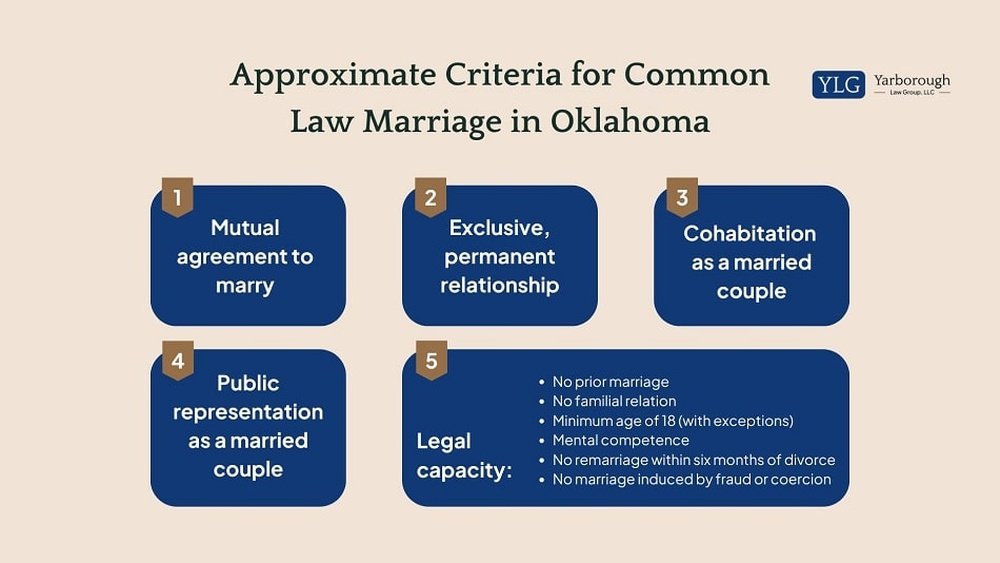
Understanding the criteria for common law marriage in Oklahoma is important. These rules help decide if a couple is legally married without a formal ceremony or license. Oklahoma recognizes common law marriage only if certain conditions are met. These conditions include age, consent, living together, and agreeing to be married.
Each criterion plays a key role in establishing a valid common law marriage. Knowing these rules can help couples understand their legal status.
Age And Consent Requirements
Both partners must be at least 18 years old to enter a common law marriage. Minors need parental consent or a court order. Consent means both people agree freely to marry. No one can force the other into marriage.
Cohabitation Expectations
The couple must live together as husband and wife. This means sharing a home and daily life. There is no set time, but the relationship should be stable. Living apart often can hurt the claim of marriage.
Mutual Agreement And Intent
Both partners must agree they are married. This agreement can be spoken or shown by actions. They must act like a married couple in public. Saying “we are married” matters a lot in court.

Credit: jmillerlawfirmpllc.com
Legal Recognition In Oklahoma
Legal recognition of common law marriage in Oklahoma means the state accepts certain couples as legally married without a formal ceremony or marriage license. This recognition affects rights related to property, inheritance, and spousal support. Understanding how Oklahoma handles common law marriages helps couples know their legal standing.
Oklahoma has clear rules about which couples qualify for common law marriage. These rules differ from many other states. Knowing the state’s specific laws can prevent confusion and legal issues.
State Laws And Statutes
Oklahoma recognizes common law marriages if both parties agree they are married. The couple must live together as husband and wife. They must present themselves to others as married. The law requires a mutual intention to be married, not just cohabitation.
Oklahoma law does not require a written agreement for common law marriage. Courts may look at evidence like joint bank accounts or tax returns. These help prove the couple considers themselves married.
Comparison With Other States
Only a few states recognize common law marriage, and rules vary widely. Some require the couple to file a declaration of marriage. Others need the couple to live together for a set time. Oklahoma focuses on the couple’s intent and public presentation.
States like Texas and Colorado also recognize common law marriage but have different proof standards. Some states do not recognize common law marriages at all. Couples moving to Oklahoma from other states may need to confirm their status.
Impact Of Registration
Oklahoma does not require couples to register a common law marriage. Registration is optional but can help prove the marriage exists. Without registration, proving common law marriage can be harder in court.
Registered common law marriages receive the same legal benefits as formal marriages. Couples gain clearer rights to property and spousal support. Registration reduces disputes about the marriage status.
Rights And Responsibilities
Common law marriage in Oklahoma gives couples legal rights similar to those of married couples. These rights come with specific responsibilities. Understanding these can help protect both partners.
Oklahoma recognizes common law marriages if certain conditions are met. Couples must live together and present themselves as married. This status affects property, support, and parenting matters.
Property And Inheritance Rights
Partners in a common law marriage share property acquired during their relationship. Both have equal rights to the home and other assets. Without a formal marriage, proving ownership can be harder.
In case of a partner’s death, the surviving spouse may inherit property. Oklahoma law treats common law spouses like married ones for inheritance purposes. This right exists even without a will.
Spousal Support And Benefits
Common law spouses may request spousal support after separation. Courts consider the length of the relationship and financial needs. This support helps maintain stability for the lower-earning partner.
Benefits such as health insurance and social security may also apply. Employers and government programs recognize common law marriage under certain rules. Partners should verify their eligibility for these benefits.
Parental Rights
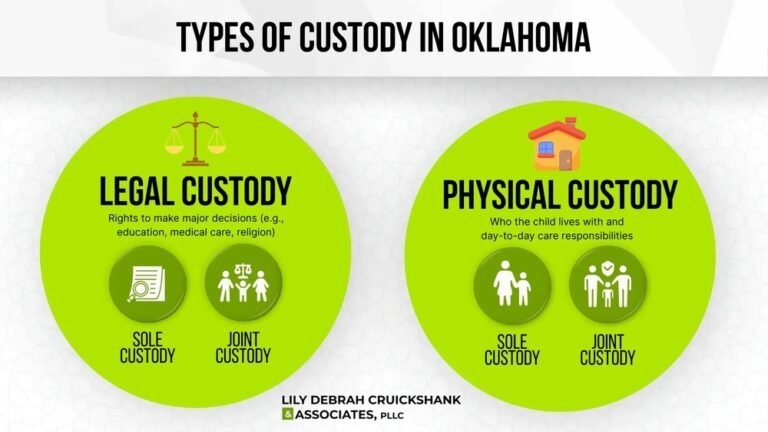
Both partners in a common law marriage have parental rights. This includes decisions about the child’s education, health, and welfare. The law treats them like married parents in custody matters.
Establishing paternity or maternity is easier with a recognized common law marriage. This ensures both parents have legal responsibilities and rights toward their child. It protects the child’s best interests.
Ending A Common Law Marriage
Ending a common law marriage in Oklahoma involves specific legal steps. Unlike traditional marriages, there is no marriage certificate to dissolve. The law treats common law marriages like formal marriages once recognized. This means the couple must follow legal procedures to end their union.
Separation Procedures
Couples in common law marriages may first choose to separate. Separation means living apart without ending the marriage legally. Oklahoma does not require a formal separation agreement. But some couples draft one to clarify property and support issues. Separation can prepare both parties for the divorce process.
Divorce Process
To legally end a common law marriage, couples must file for divorce. The process follows the same rules as formal marriages. One spouse files a petition with the court. The court divides property, decides on support, and handles child custody. The divorce ends the legal status of the marriage.
Legal Challenges
Proving a common law marriage exists can be difficult. Couples must show they agreed to be married and lived as a married couple. Lack of clear evidence may cause delays or denial of divorce. Legal advice helps navigate these challenges. Courts carefully review all facts before granting a divorce.
Credit: www.wirthlawoffice.com
Frequently Asked Questions
What Is Common Law Marriage In Oklahoma?
Common law marriage means living together as a married couple without a formal ceremony. Oklahoma recognizes this type of marriage if specific conditions are met.
How Long Must A Couple Live Together For Common Law Marriage?
Oklahoma does not require a minimum time for living together to form a common law marriage. The couple must show they agree to be married and live as husband and wife.
Can Common Law Marriages Be Proven In Court?
Yes, couples can prove common law marriage by showing evidence of mutual agreement and public recognition. This includes joint tax returns, shared property, or statements to others.
What Rights Do Common Law Spouses Have In Oklahoma?
Common law spouses have the same legal rights as formally married couples. This includes property division, inheritance, and spousal support in case of separation.
How Can Common Law Marriage End In Oklahoma?
Common law marriage ends by divorce or annulment, just like formal marriage. Legal steps are needed to divide property and settle support issues.
Conclusion
Understanding common law marriage laws in Oklahoma helps protect your rights. Couples must meet specific criteria to be recognized as common law spouses. Knowing these rules can prevent future legal problems. Always keep clear proof of your relationship. This knowledge supports fair treatment in property and family matters.
Stay informed to make smart decisions about your partnership. It’s simple but important. Common law marriage is real and recognized here. Keep this in mind for your peace of mind.

Ismail Hossain is the founder of Law Advised. He is an Divorce, Separation, marriage lawyer. Follow him.