Debt Collection Laws in Oklahoma: Essential Rights & Regulations
Are you dealing with unpaid debts or struggling to understand your rights when it comes to debt collection in Oklahoma? Knowing the laws that protect you can make all the difference.
Whether you owe money or are trying to collect it, understanding Oklahoma’s debt collection laws can help you avoid costly mistakes and protect your financial future. Keep reading to learn exactly what you need to know to stay informed and in control.
Oklahoma Debt Collection Basics
Understanding debt collection laws in Oklahoma helps protect your rights. These laws set rules for how debts can be collected. They ensure fair treatment for both debtors and creditors. Knowing the basics can prevent confusion and stress.
Oklahoma has specific rules that debt collectors must follow. These rules cover how they contact you, what they can say, and the actions they can take. It is important to know these laws to avoid unfair practices.
Key Definitions And Parties Involved
Debt is money owed by one person to another. The debtor is the person who owes the money. The creditor is the one who lent the money or provided goods or services.
Debt collectors are hired to collect unpaid debts. They act on behalf of creditors. Sometimes, original creditors collect their own debts. Other times, third-party agencies handle the collection.
Understanding these roles helps you know who you are dealing with. It also helps in understanding your rights and obligations.
Common Debt Types Covered
Oklahoma’s debt collection laws cover many types of debts. These include credit card debts, medical bills, and personal loans. Utility bills and unpaid rent can also fall under these laws.
Each type of debt may have different rules for collection. Knowing what kind of debt you owe helps in managing the situation. It also guides you on how to respond to debt collectors.
Credit: upsolve.org
Consumer Rights Under Oklahoma Law
Consumers in Oklahoma have clear rights under state debt collection laws. These laws protect individuals from unfair treatment by debt collectors. They set rules about how collectors can contact and treat people. Understanding these rights helps consumers avoid abuse and stress. It also ensures fair handling of debts.
Protection Against Harassment
Oklahoma law forbids debt collectors from using threats or abusive language. Collectors cannot call repeatedly to annoy or scare someone. They must not make false statements or lie about the debt. Harassment includes shouting, using rude words, or making threats. Consumers can report collectors who break these rules. The law aims to keep communication respectful and honest.
Limits On Contact And Communication
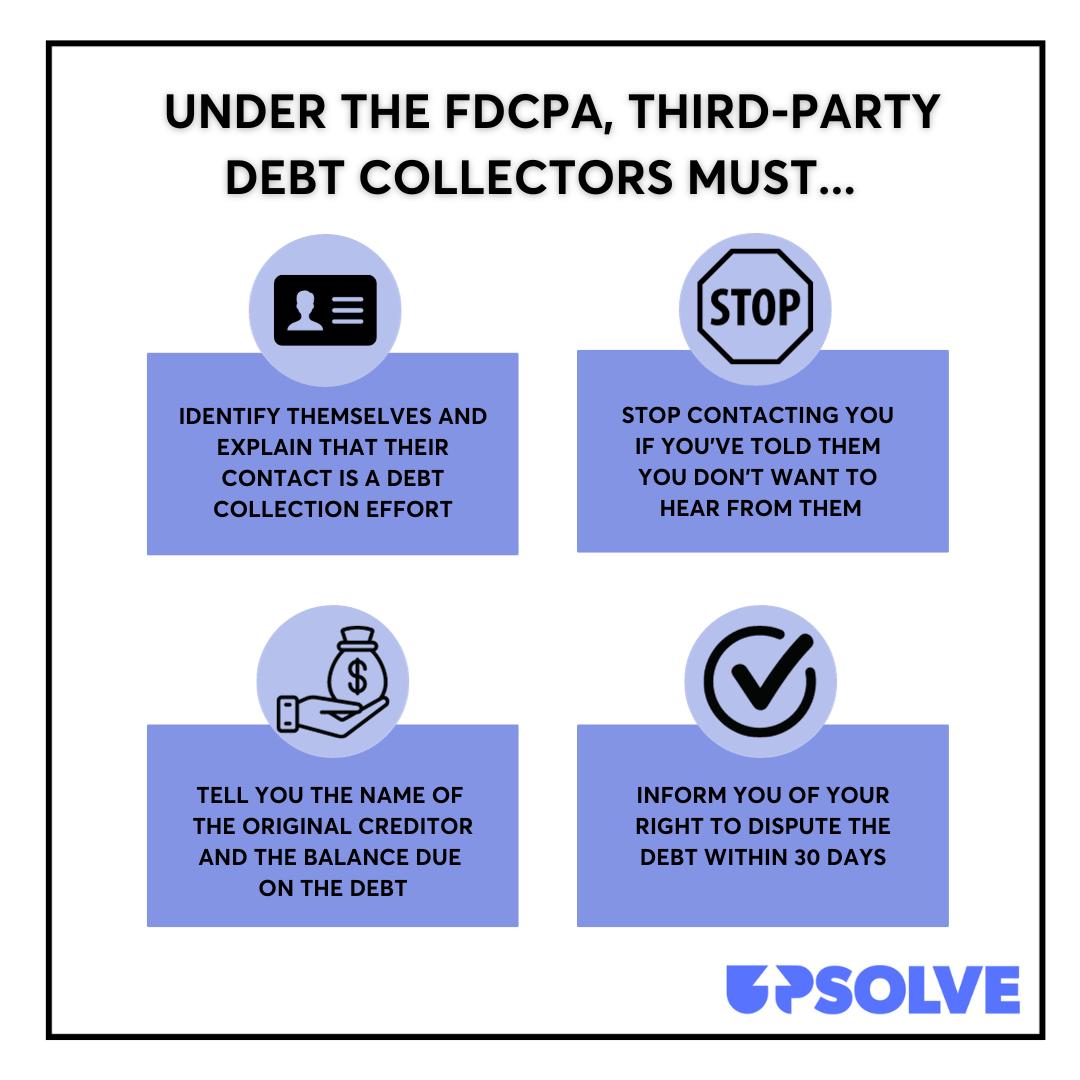
Debt collectors must follow strict limits on when and how they contact consumers. They cannot call at inconvenient times, like early morning or late night. Collectors must stop contacting if asked in writing. They cannot call workplaces if the employer objects. The law requires collectors to identify themselves clearly. These rules protect privacy and reduce stress for consumers.
Debt Collector Obligations
Debt collectors in Oklahoma have clear duties to protect consumers. These rules help prevent unfair or misleading practices. Collectors must follow specific laws to ensure fairness and transparency.
Understanding these obligations can help you know your rights. Debt collectors must provide important information and verify debts properly. This keeps the process honest and clear for everyone involved.
Required Disclosures
Debt collectors must tell you key details about the debt. They must give their name and the company they work for. They also need to state the amount you owe.
This information helps you understand who is contacting you. It prevents confusion with other creditors or companies. Collectors must share this information in their first communication.
They cannot hide their identity or use false names. Clear disclosure protects you from scams and unfair tactics. This rule applies to all debt collectors in Oklahoma.
Validation Of Debts
You have the right to ask for proof of the debt. Collectors must send you a validation notice within five days. This notice shows the debt amount and the original creditor.
If you ask, the collector must provide more documents. This may include contracts or payment records. Validation helps avoid mistakes and confirms the debt is yours.
Collectors cannot continue collection until they provide this proof. This rule gives you time to check the debt and dispute errors. It ensures fair treatment under Oklahoma law.
Credit: paramountlaw.net
Legal Actions And Enforcement
Legal actions and enforcement are key parts of debt collection in Oklahoma. Creditors and collection agencies must follow strict rules when trying to collect debts. These laws protect consumers from unfair or harsh treatment. Understanding these rules helps debtors know their rights and what to expect during the collection process.
Oklahoma has specific laws about how long a creditor can take legal steps to collect a debt. These laws also set the process for filing lawsuits to recover money owed. Knowing these legal limits can prevent unexpected court cases and protect your financial interests.
Statute Of Limitations For Debt
The statute of limitations sets the time limit for collecting debt through the courts. In Oklahoma, this period is usually five years for written contracts. For oral contracts, the limit is three years. After these time frames, a creditor cannot sue to collect the debt. This does not erase the debt but prevents legal action to enforce it.
Once the statute expires, debt collectors lose the right to use the court to get money. They can still ask for payment but cannot threaten legal steps. This law stops old debts from causing endless legal problems.
Oklahoma Debt Collection Lawsuits
Creditors must file a lawsuit in the correct county court. The court will notify the debtor about the case. Debtors have the right to respond and present their side. If the court rules for the creditor, it may issue a judgment.
This judgment allows creditors to use enforcement tools like wage garnishment or bank account levies. Courts also require proof that the debt is valid. This ensures fairness in the debt collection process.
Debtors should keep all documents and records related to the debt. This helps defend against invalid claims in court. Knowing the lawsuit steps helps reduce stress and confusion during legal actions.
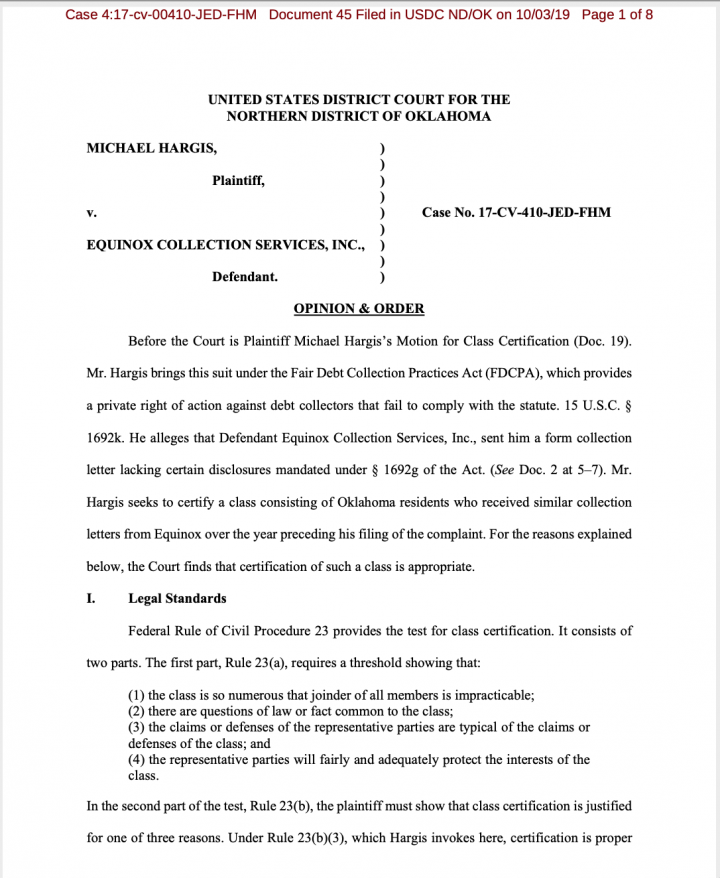
Credit: paramountlaw.net
Frequently Asked Questions
What Are The Main Debt Collection Laws In Oklahoma?
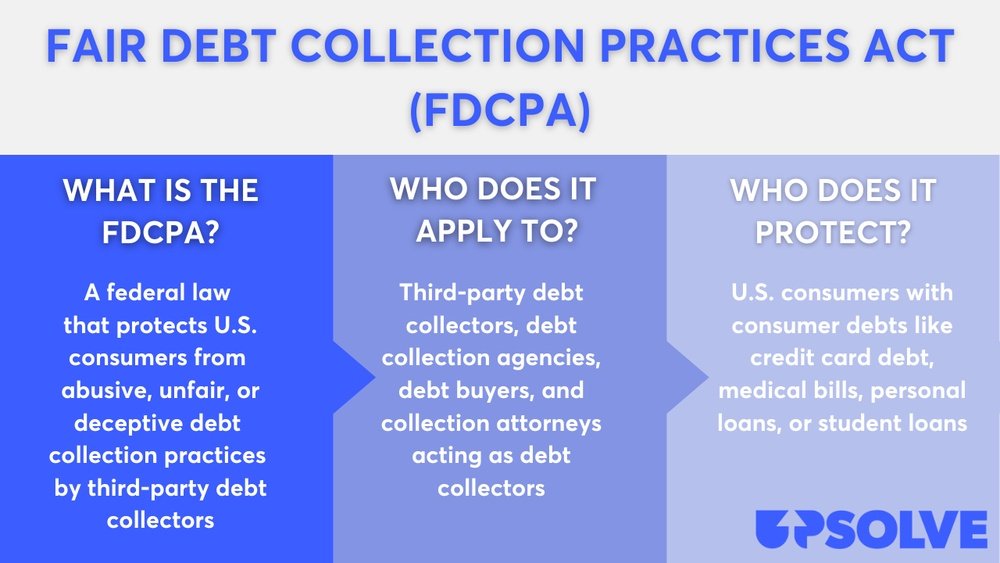
Oklahoma follows both federal and state laws to protect debtors. The Fair Debt Collection Practices Act limits how collectors can behave. State laws add more rules on timing and methods of collection.
How Long Can Debt Collectors Sue In Oklahoma?
The statute of limitations for most debts in Oklahoma is five years. After this time, collectors cannot file a lawsuit to collect the debt. This period starts from the last payment or when the debt became due.
Can Debt Collectors Call At Any Time In Oklahoma?
No, debt collectors cannot call you at any time. They must follow rules on when to call, usually during reasonable hours. Calls early in the morning or late at night are generally not allowed.
What Rights Do Oklahomans Have Against Debt Collectors?
Oklahomans have the right to fair treatment and privacy from collectors. Collectors cannot use threats, lies, or harass you. You can ask collectors to stop contacting you in writing.
What Happens If A Debt Collector Breaks Oklahoma Laws?
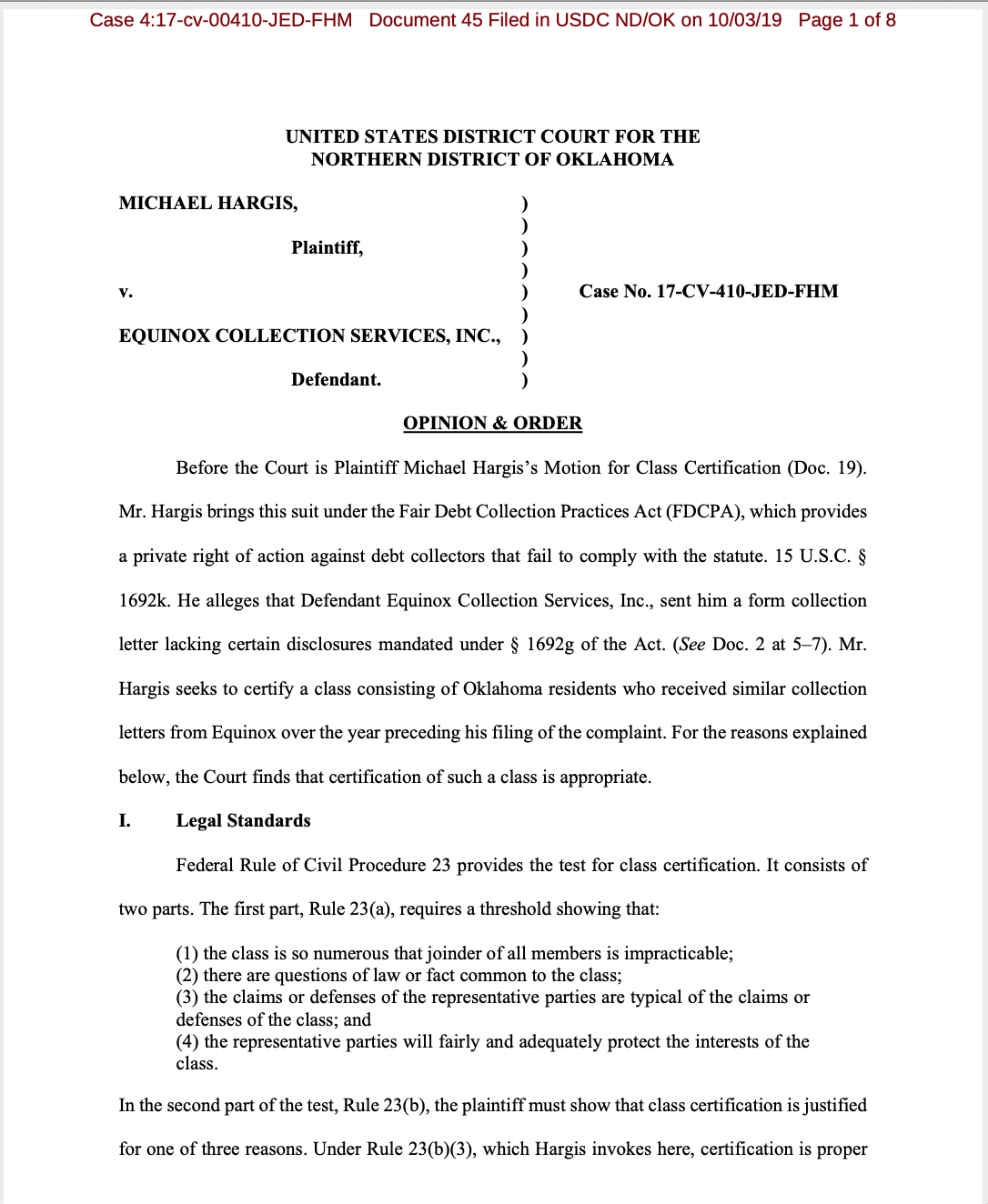
If a collector breaks the law, you can file a complaint with authorities. You may also have the right to sue the collector for damages. The law is designed to protect you from unfair practices.
Conclusion
Understanding debt collection laws in Oklahoma helps protect your rights. These laws set clear rules for collectors and debtors. Knowing what collectors can and cannot do keeps you safe. You can avoid common mistakes by staying informed. Always keep records of your communication with collectors.
Seek help if you feel your rights are violated. Clear knowledge leads to better decisions about your debts. Stay calm and act wisely to handle debt issues. This awareness empowers you to face debt challenges confidently.

Ismail Hossain is the founder of Law Advised. He is an Divorce, Separation, marriage lawyer. Follow him.