Domestic Violence Laws in Pennsylvania: Key Facts You Must Know
Are you concerned about your safety or the safety of someone you care about in Pennsylvania? Understanding domestic violence laws can be a crucial step in protecting yourself and your loved ones.
Knowing your rights and the legal options available to you can make a real difference when facing a difficult situation. This guide will walk you through the key points of Pennsylvania’s domestic violence laws, helping you feel more confident and prepared to take action if needed.
Keep reading to learn what you need to know to stay safe and empowered.
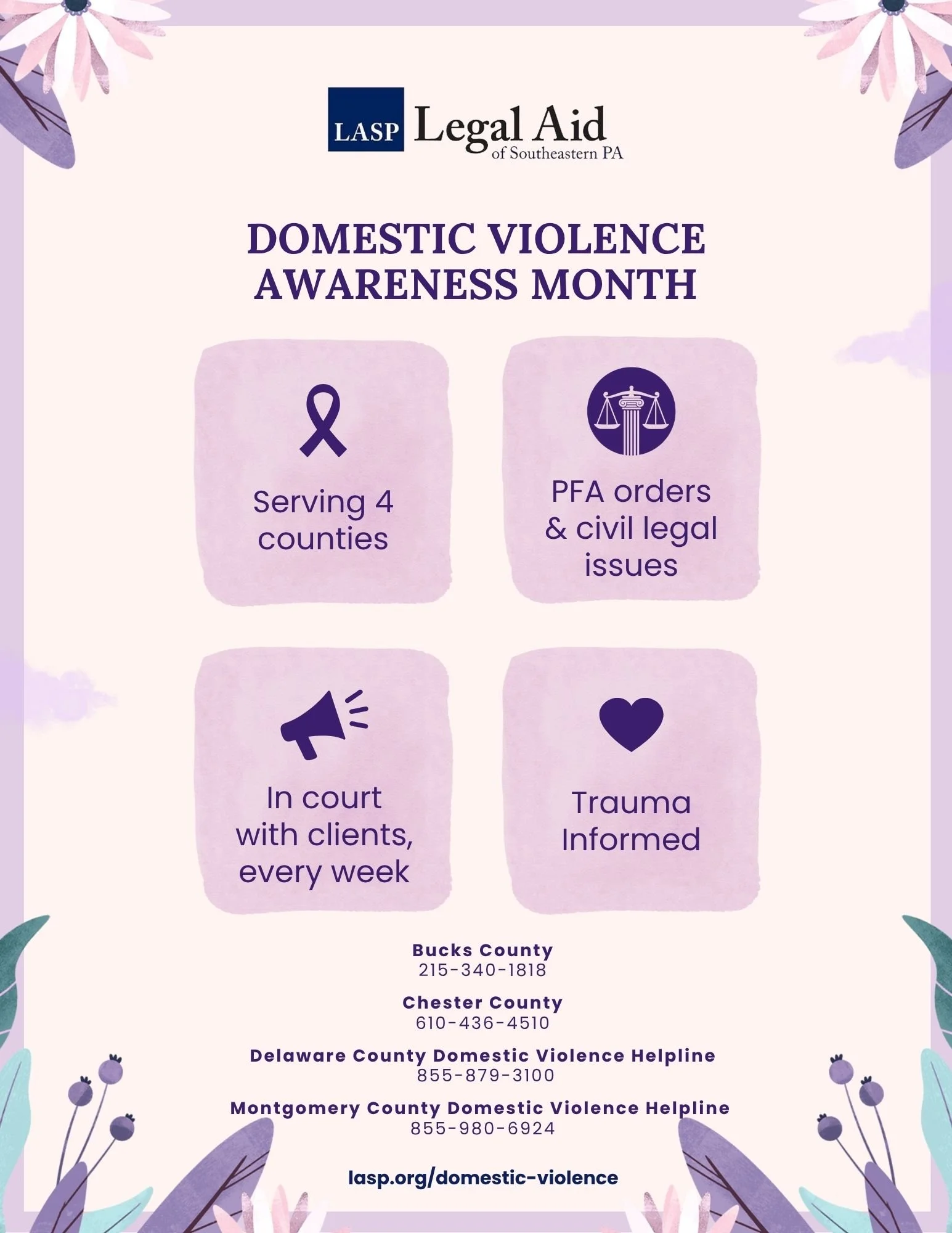
Credit: www.lasp.org
Types Of Domestic Violence Covered
Domestic violence laws in Pennsylvania cover many types of abuse. The law protects victims from harm in different forms. Understanding these types helps recognize abuse and seek help.
Physical Abuse
Physical abuse includes hitting, slapping, or pushing. It also covers choking, biting, or other harmful acts. The law treats physical violence seriously. Victims can get protection orders to stay safe.
Emotional And Psychological Abuse
Emotional abuse harms a person’s mind and feelings. It includes threats, insults, and controlling behavior. This abuse can make victims feel scared or worthless. Pennsylvania law recognizes this type as a serious issue.
Financial Abuse
Financial abuse happens when someone controls money to harm another. It can involve stealing money or blocking access to funds. This abuse limits the victim’s freedom and safety. The law helps protect against this control.
Stalking And Harassment
Stalking means following or watching someone repeatedly. Harassment includes unwanted calls, messages, or visits. Both cause fear and stress. Pennsylvania law provides protection from stalking and harassment to keep victims safe.
Protective Orders And Restraining Orders
Protective orders and restraining orders play a vital role in keeping people safe from domestic violence. These legal tools help victims stay away from their abusers. Pennsylvania law offers clear options to protect individuals at risk.
These orders set limits on contact and behavior. They can stop an abuser from harassing or hurting someone. Understanding the types of orders and how to get them is important for anyone facing domestic violence.
Temporary Protection Orders
Temporary Protection Orders (TPOs) provide immediate safety. Courts issue them quickly after a victim files a request. TPOs last up to 10 days or until a full court hearing. They stop the abuser from contact and may include other rules. TPOs help victims gain time to plan for long-term protection.
Permanent Protection Orders
Permanent Protection Orders (PPOs) follow a court hearing. Judges decide if the PPO is needed after reviewing evidence. PPOs last up to three years or longer in some cases. They can restrict contact, require the abuser to leave a home, and more. PPOs give lasting security to victims of domestic violence.
Filing Process
Victims file protection orders at local courts. They must complete forms explaining the abuse. Court staff can assist with paperwork and questions. The court sets a hearing date, usually within 10 days. The abuser must be notified about the hearing. Victims should bring evidence and witnesses to court.
Enforcement And Violations
Court orders must be followed strictly. Violating a protection order is a crime in Pennsylvania. Police can arrest abusers who break the order. Courts may impose fines, jail time, or other penalties. Victims should report violations immediately to law enforcement. Enforcement ensures the order protects victims effectively.
Legal Consequences For Offenders
Offenders of domestic violence in Pennsylvania face serious legal consequences. The law aims to protect victims and hold abusers accountable. Punishments vary based on the severity of the offense and past criminal history. Understanding these consequences helps raise awareness and deter abuse.
Criminal Charges
Domestic violence can lead to criminal charges in Pennsylvania. Charges may include assault, harassment, or stalking. The state treats these offenses seriously. Law enforcement may arrest offenders quickly to prevent further harm. Charges depend on the facts and evidence presented.
Penalties And Sentencing
Convictions carry stiff penalties. Offenders may face jail time, fines, or probation. Sentences depend on the crime’s nature and prior records. Repeat offenders often receive harsher punishments. Courts may also issue protection orders to keep victims safe.
Impact On Custody And Visitation
Domestic violence affects child custody decisions. Courts prioritize the child’s safety above all else. Offenders may lose custody or face restricted visitation rights. Judges consider violence history before granting parental access. Safety plans may accompany visitation arrangements.
Rehabilitation Programs
Offenders may be required to attend rehabilitation programs. These programs focus on anger management and behavior change. Participation can influence sentencing and parole decisions. The goal is to reduce the risk of future violence. Courts often use these programs as part of the punishment.
Credit: zylkahouselaw.com
Rights And Resources For Victims
Victims of domestic violence in Pennsylvania have clear rights and access to vital resources. These protections help survivors find safety and support. Knowing what is available can make a big difference during tough times.
Victim Advocacy Services
Advocacy services offer guidance and emotional support. Trained advocates help victims understand their rights. They provide safety planning and connect victims with local resources. These services are free and confidential.
Legal Assistance
Legal help is crucial for victims seeking protection. Lawyers can assist with restraining orders and custody cases. Many organizations offer free or low-cost legal aid. This support helps victims navigate the court system.
Shelters And Support Groups
Safe shelters provide emergency housing for victims and their children. Shelters offer a secure place away from danger. Support groups allow survivors to share their stories. These groups promote healing and build strength.
Reporting And Confidentiality
Victims can report abuse to the police or hotlines. Reports lead to investigations and possible protection orders. Confidentiality laws protect victims’ identities and information. This ensures privacy and safety during the process.
Credit: www.pcadv.org
Frequently Asked Questions
What Is Considered Domestic Violence In Pennsylvania?
Domestic violence includes physical harm, threats, stalking, and emotional abuse. It covers harm between spouses, family members, or people living together. Pennsylvania law protects victims from these acts.
How Can Victims Get A Protection Order In Pennsylvania?
Victims can file for a Protection From Abuse (PFA) order at court. This order helps keep the abuser away. It is free and can be temporary or longer-term.
What Penalties Exist For Domestic Violence Offenders In Pennsylvania?
Penalties include fines, jail time, and probation. The severity depends on the abuse type and past offenses. The law aims to punish and prevent further harm.
Can Domestic Violence Charges Affect Child Custody In Pennsylvania?
Yes, courts consider domestic violence when deciding child custody. The child’s safety is the priority. Abusers may lose or have limited custody rights.
Where Can Victims Find Help For Domestic Violence In Pennsylvania?
Victims can contact local shelters, hotlines, or legal aid services. Police and social workers also provide support. Help is available 24/7 for those in need.
Conclusion
Domestic violence laws in Pennsylvania protect victims and hold offenders accountable. These laws help keep families safe and provide legal options for those in need. Knowing your rights can make a big difference. Support services are available to guide and assist victims.
Staying informed empowers you to act wisely. Safety and justice matter most in these cases. Understanding the law helps build stronger communities. Everyone deserves to live free from harm.

Ismail Hossain is the founder of Law Advised. He is an Divorce, Separation, marriage lawyer. Follow him.