Electric Vehicle Tax Credit Explained Expert 2026 Guide
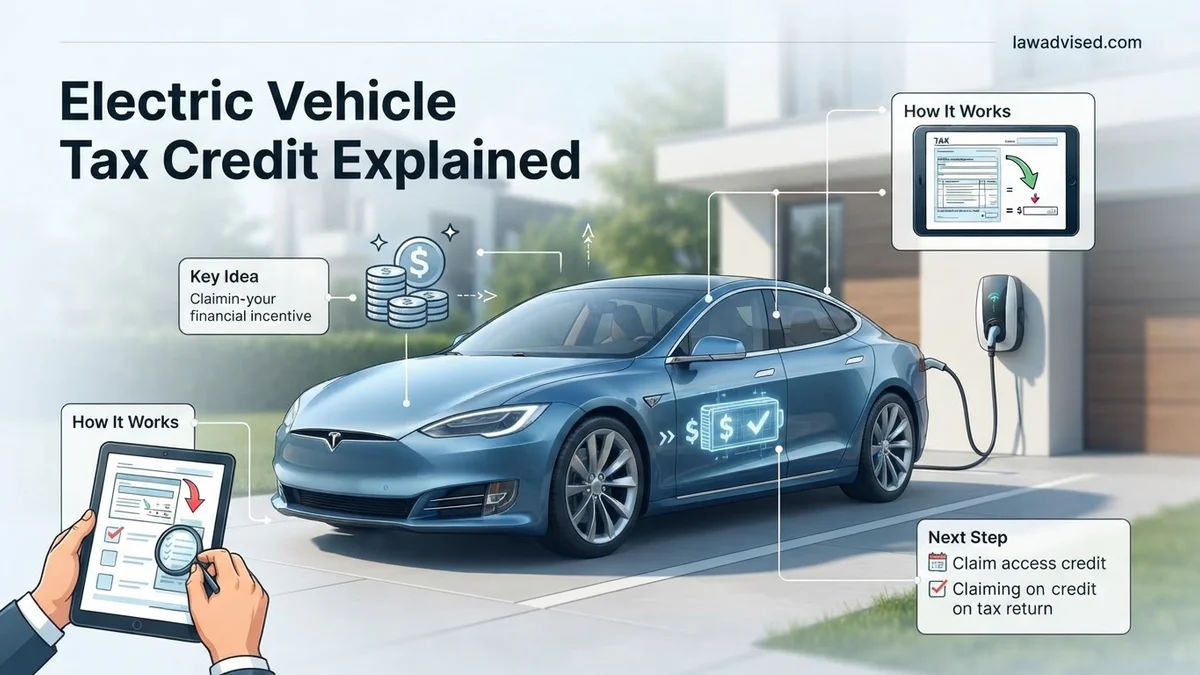
Navigating the rules to secure government savings on green cars can be confusing. This electric vehicle tax credit explained guide breaks down current income limits, vehicle price caps, and how to claim up to $7,500 instantly at the dealership.
The federal electric vehicle tax credit offers up to $7,500 for new EVs and up to $4,000 for used models, but claiming this money requires navigating a strict maze of rules. Under current 2026 regulations, your eligibility depends entirely on your modified adjusted gross income, the final assembly location of the vehicle, the manufacturer’s suggested retail price, and the complex sourcing of battery components.
Understanding these financial guardrails ensures you do not buy a car assuming a major discount, only to find out later you do not qualify. Whether you plan to claim the credit on your taxes or transfer it directly to the dealership for an immediate price drop, knowing the exact criteria beforehand protects your wallet.
Key Takeaways
- New electric vehicles qualify for a federal tax credit of up to $7,500.
- Used EVs qualify for a tax credit of up to $4,000.
- Individual and joint filing income caps strictly limit who can claim the credit.
- Vehicle MSRP cannot exceed $80,000 for vans, SUVs, and trucks, or $55,000 for cars.
- You can transfer the credit directly to the dealer for an immediate price discount.
What Causes Confusion With the Electric Vehicle Tax Credit Rules
Income Caps and Vehicle Price Limits
Many buyers miss out on the credit because they overlook strict financial thresholds. The IRS enforces strict income caps based on your modified adjusted gross income from the current tax year or the previous year, whichever is lower. If your income exceeds these limits, the credit drops to zero instantly.
- Married Filing Jointly: Income cap is $300,000 for new EVs and $150,000 for used EVs.
- Head of Household: Income cap is $225,000 for new EVs and $112,500 for used EVs.
- Single Filers: Income cap is $150,000 for new EVs and $75,000 for used EVs.
Vehicle price caps create another hurdle. A new electric SUV, van, or pickup truck cannot have an MSRP exceeding $80,000, while new cars and sedans must stay under $55,000. Used EVs face a hard price ceiling of $25,000.
Manufacturing and Battery Sourcing Mandates
Beyond your personal finances, the vehicle itself must meet strict geopolitical and supply chain standards. To qualify for the full $7,500 new vehicle credit, the EV must undergo final assembly in North America. Furthermore, the battery must meet specific percentage thresholds for critical minerals extracted or processed in countries with a U.S. free trade agreement, as well as components manufactured or assembled in North America.
How to Qualify for and Claim Your EV Tax Credit Step-by-Step
The Point-of-Sale Transfer Option
You no longer have to wait until tax season to realize the financial benefits of your purchase. Under 2026 guidelines, you can transfer your tax credit directly to a registered dealership at the time of sale. The dealer applies the $7,500 (new) or $4,000 (used) credit as an immediate down payment or cash rebate.
- Confirm the dealership is registered with the IRS Energy Credits Online portal.
- Verify that the specific vehicle VIN qualifies on the official IRS or Department of Energy lists.
- Sign the transfer election at the dealership to receive the immediate price reduction.
- Receive confirmation from the dealer that they submitted the required report to the IRS.
Filing Form 8936 If You Do Not Transfer
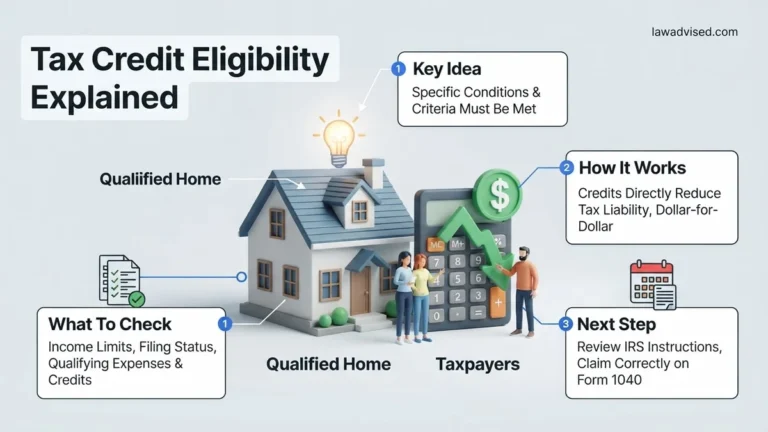
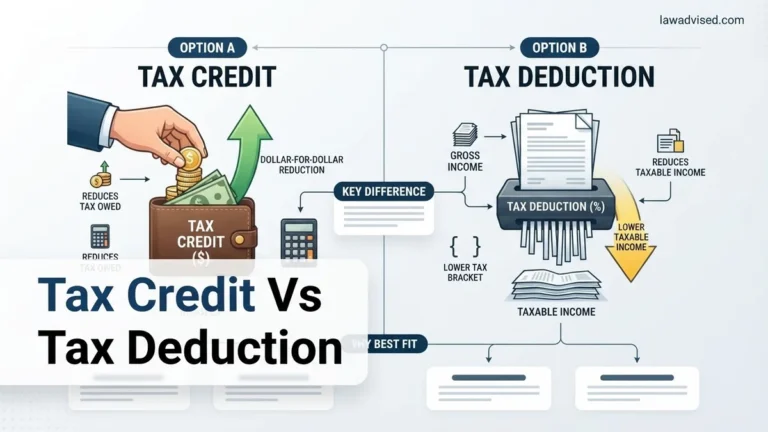
If you prefer to claim the credit on your annual tax return instead of at the dealership, you must file IRS Form 8936 along with your standard return. You will need the seller’s report provided by the dealership at the time of purchase, which includes the vehicle identification number and your taxpayer identification number. Keep in mind that the new vehicle credit is non-refundable, meaning it can only offset your actual federal tax liability for the year.
What If Your Vehicle or Income Doesn’t Meet the Requirements
Navigating the complex eligibility rules for clean vehicle incentives can occasionally lead to roadblocks. If your chosen automobile or household earnings fail to meet the strict statutory thresholds set by federal guidelines for 2026, several strategic alternatives remain available to secure financial relief.
Alternative Financing and Leasing Strategies
A significant regulatory loophole exists for commercial and leased vehicles under the Internal Revenue Code Section 30W. When you lease an electric vehicle rather than purchasing it outright, the leasing company technically receives the clean vehicle credit. However, major automotive manufacturers and captive finance companies routinely pass this entire financial incentive through to the consumer as a capitalized cost reduction, lowering your monthly lease payments substantially.
This leasing workaround completely bypasses the individual modified adjusted gross income caps, the final assembly location restrictions, and the critical mineral sourcing mandates. According to recent market analyses by automotive industry experts, over thirty percent of all electric vehicle transactions utilize this leasing loophole to secure savings that would otherwise be legally inaccessible.
State and Local Rebate Programs
If federal tax incentives are entirely out of reach due to income limitations or vehicle disqualifications, state-level initiatives provide a robust safety net. Numerous states operate independent point-of-sale rebate programs funded by cap-and-trade revenues or regional environmental settlements.
To successfully capture these localized funds, follow this precise sequence:
- Verify your local electric utility provider’s current catalog, as many regional co-ops offer cash-back incentives for purchasing battery-electric models or installing home Level 2 charging infrastructure.
- Cross-reference state air resource board databases to check for overlapping regional grants targeted at low-to-moderate-income households.
- Submit your purchase documentation through your state’s designated online portal within the mandatory filing window, which typically ranges from thirty to ninety days post-purchase.
- Consult with a certified public accountant if your state grants require specific tax offset filings rather than direct monetary checks.
What If It Still Doesn’t Work?
If direct federal credits and state rebates both fail due to strict statutory limitations, resolving the financial gap requires alternative professional steps. Implement these fallback measures to optimize your vehicle acquisition costs:
- Reassess certified pre-owned electric vehicle inventories, which offer a separate federal credit under Section 25E worth up to $4,000 with significantly higher income caps of $75,000 for single filers.
- Partner with a qualified tax professional or certified public accountant to analyze your year-end tax planning, potentially utilizing deductions to lower your modified adjusted gross income below the threshold before the tax year closes.
- Investigate employer-sponsored green commuting incentives and corporate sustainability stipends that reimburse employees for adopting zero-emission transportation alternatives.
- Seek formal guidance from a specialized automotive tax attorney if dealing with complex business-use vehicle write-offs under Section 179, with professional consultation fees typically ranging from $250 to $600 per hour.
Conclusion
Securing the electric vehicle tax credit requires careful alignment with shifting 2026 income caps, vehicle assembly mandates, and sourcing rules. According to verified research and expert sources from the Internal Revenue Service and energy policy think tanks, utilizing point-of-sale transfers and alternative leasing pathways remains the most reliable method to maximize immediate savings. One actionable next step is to request a formal IRS First-Time Transfer confirmation from your dealership before signing any final purchase paperwork.
❓ Frequently Asked Questions
What are the strict vehicle manufacturing requirements for the new EV tax credit?
To qualify for the full $7,500, the vehicle must undergo final assembly in North America. Additionally, specific percentages of battery critical minerals and components must be sourced from the U.S. or free-trade agreement countries.
How do used electric vehicle tax credits work?
Used EV credits cover 30% of the sale price up to a maximum of $4,000. The car must be at least two years old, purchased from a licensed dealer, cost $25,000 or less, and have never been transferred to another used owner before.
What happens if my income changes between the purchase year and tax filing year?
You can use your modified adjusted gross income from either the year you take delivery of the vehicle or the previous tax year to meet the income threshold requirements.
Are state-level rebates available in addition to the federal tax credit?
Many states and local utility providers offer separate rebates, tax credits, or cash-back incentives for purchasing electric vehicles and installing home charging stations, which can be stacked with federal savings.
Does the tax credit roll over if my tax liability is lower than $7,500?
No, the federal EV tax credit is non-refundable, meaning if your total tax liability for the year is $5,000, you can only claim $5,000 of the credit and the remaining balance is lost.
How do I find a complete and updated list of qualifying electric vehicles?
The official resource for checking eligible makes, models, and VINs is the IRS-managed Fueleconomy.gov website, which updates continuously based on manufacturing compliance.

Ismail Hossain is the founder of Law Advised. He is an Divorce, Separation, marriage lawyer. Follow him.