Concealed Carry Laws in Oklahoma: Essential Guide for 2026
If you’re thinking about carrying a concealed firearm in Oklahoma, knowing the laws is crucial. Your safety and your rights depend on understanding what’s allowed and what’s not.
This guide will break down the key points you need to know, so you can carry with confidence and avoid costly mistakes. Keep reading to learn how Oklahoma’s concealed carry laws affect you and what steps you need to take to stay on the right side of the law.

Credit: hhshootingsports.com
Oklahoma Concealed Carry Basics
Oklahoma allows many residents to carry a concealed handgun legally. Knowing the basics of concealed carry laws helps you stay safe and follow the rules. This section explains eligibility, the application process, fees, and renewal.
Understanding these points is important for anyone who wants to carry a concealed weapon in Oklahoma. The state has clear guidelines to protect both the public and permit holders.
Eligibility Requirements
To get a concealed carry permit in Oklahoma, you must be at least 21 years old. You need to be a U.S. citizen or a legal resident. You must not have a serious criminal record or a history of violence. Oklahoma also checks if you have any mental health issues that may affect your ability to carry a weapon safely.
Application Process
You can apply for a permit online or in person. The process includes filling out an application form and submitting fingerprints. You must provide proof of Oklahoma residency. The state runs background checks to confirm your eligibility. After approval, you will receive your permit by mail.
Permit Fees And Renewal
The initial fee for a concealed carry permit varies. It covers application and processing costs. Permits last for five years from the issue date. To renew, submit a new application and pay the renewal fee. Renewal requires a clean criminal record and continued eligibility.
Where You Can Carry
Knowing where you can carry a concealed weapon in Oklahoma is important for legal safety. The state allows licensed individuals to carry in many places. Still, some locations have rules or bans. Understanding these can help avoid trouble.
Permitted Locations
You can carry a concealed weapon almost anywhere in Oklahoma. This includes public streets, parks, and businesses open to the public. Licensed carriers may also carry in vehicles. The law supports carrying for self-defense in most everyday places.
Restricted Areas
Certain places do not allow concealed carry, even with a license. Schools and colleges often ban guns on their property. Government buildings may have security rules against weapons. Private businesses can post signs to prohibit guns inside. Following these restrictions is important to stay legal.
Private Property Rules
Private property owners can set their own rules about guns. They may allow or forbid concealed carry on their land. Look for signs or ask permission before carrying. Respecting property rules helps prevent conflicts and legal issues.
Legal Responsibilities And Limits
Understanding your legal responsibilities and limits is vital for concealed carry in Oklahoma. These laws protect you and others by setting clear rules. Knowing these rules helps you carry safely and legally.
Use Of Force Guidelines
Oklahoma allows the use of force in self-defense. Force must be reasonable and necessary to stop harm. Deadly force is only allowed to prevent serious injury or death. You cannot use force to protect property alone. Always try to avoid conflict before using force.
Interactions With Law Enforcement
Inform officers immediately if you carry a concealed weapon. Keep your hands visible and stay calm during stops. Follow all officer instructions carefully and respectfully. Do not make sudden movements or reach for your weapon. Clear communication helps avoid misunderstandings.
Penalties For Violations
Violating concealed carry laws can lead to fines and jail time. Carrying without a permit is a serious offense. Using force improperly can lead to criminal charges. Always follow the law to avoid legal trouble. Penalties vary based on the violation’s nature and severity.

Credit: www.urbanic.law
Recent Changes For 2026
Oklahoma’s concealed carry laws have new updates for 2026. These changes affect who can carry and where they can carry their firearms. It is important for residents and visitors to understand these updates to stay within the law.
New Legislation Highlights
The 2026 laws make it easier for people to carry guns without a permit. Some locations that banned guns now allow them. Background checks remain important for gun purchases. The state also clarified rules about carrying in public buildings.
Impact On Permit Holders
Permit holders have fewer restrictions in many places. They can carry their concealed weapon in more areas. Training requirements for new permits have changed. Existing permits remain valid, but holders should review the new rules carefully.
Future Legal Trends
Oklahoma may continue to loosen some gun laws. Lawmakers are discussing more permitless carry options. Public safety remains a top concern in these talks. Citizens should watch for updates to stay informed.
Credit: oklahoma.gov
Frequently Asked Questions
What Are Oklahoma’s Basic Concealed Carry Laws?
Oklahoma allows most adults to carry a concealed weapon without a permit. There are age and legal restrictions to follow. Certain places still prohibit carrying firearms.
Do I Need A Permit To Carry Concealed In Oklahoma?
No permit is required for residents or non-residents 21 or older. Permit holders can carry in some additional places. Getting a permit may help with reciprocity in other states.
Where Is Concealed Carry Prohibited In Oklahoma?
Concealed carry is banned in schools, government buildings, and private property with clear signs. Carrying in bars and federal buildings is also restricted. Always check local rules before carrying.
Can Non-residents Carry Concealed Weapons In Oklahoma?
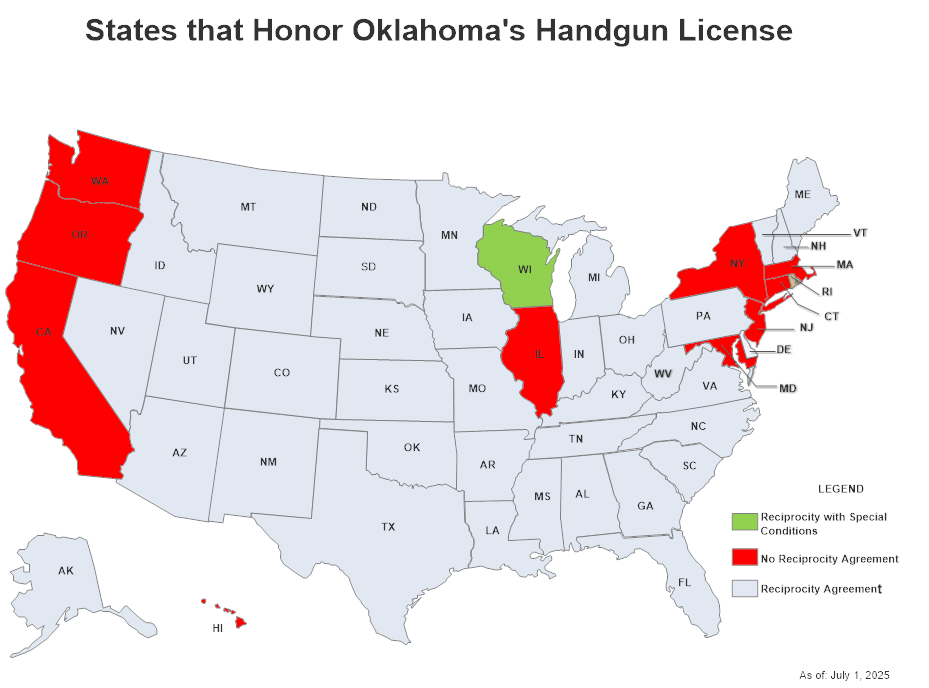
Yes, non-residents 21 or older can carry concealed without a permit. They must follow all Oklahoma laws about where to carry. Some states may not recognize Oklahoma’s laws.
How Does Oklahoma’s Permit Reciprocity Work?
Oklahoma recognizes permits from many states with similar requirements. Permit holders from those states can carry concealed in Oklahoma legally. Always check the latest list of states for updates.
Conclusion
Oklahoma’s concealed carry laws are clear but important to follow. Always carry your permit and know where you can legally carry. Respect public places where guns are not allowed. Staying informed helps keep you safe and out of trouble. Remember, carrying a weapon is a serious responsibility.
Stay updated on any law changes in Oklahoma. Your safety and the safety of others comes first. Being careful and aware makes a difference every day.

Ismail Hossain is the founder of Law Advised. He is an Divorce, Separation, marriage lawyer. Follow him.