Do I Need to File Taxes If I Had No Income? 2026 Guide
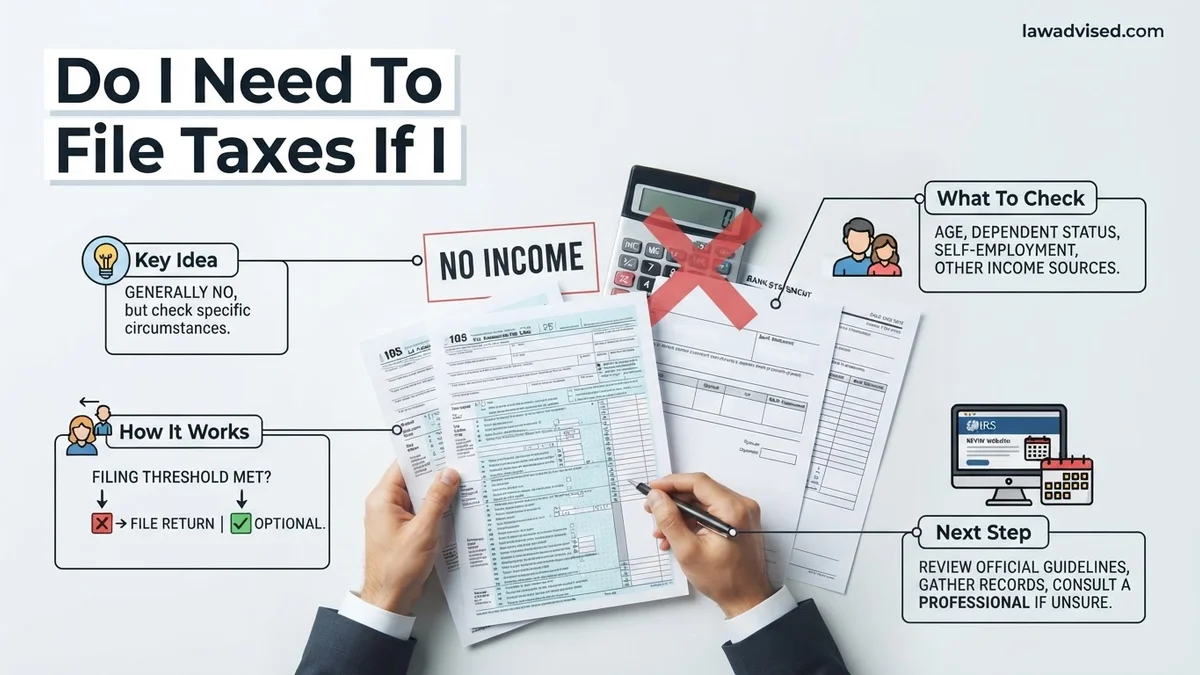
Generally, you do not need to file a federal income tax return if your gross income for the year was zero and you fall below the IRS filing thresholds. However, filing a return with no income is often required to claim valuable refundable tax credits or get back money withheld from a job.
If you earned zero income during the 2025 tax year, the short answer is no—you generally are not required to file a federal income tax return. The IRS bases mandatory filing thresholds strictly on your gross income, your filing status, and your age. If you stayed below these standard limits, the law does not force you to submit a return.
However, skipping the tax return entirely is not always your best move. Even with zero income, you might be leaving money on the table or missing out on crucial financial verification. Let us break down exactly how the IRS determines your obligation and why you might want to file anyway for 2026.
Key Takeaways
- You typically do not need to file a federal return if your income is below the standard deduction.
- Filing with zero income is necessary to claim refundable credits like the Earned Income Tax Credit.
- Submit a return to recover any federal or state income taxes withheld from paychecks.
- State tax laws regarding zero-income filing requirements may differ from federal IRS guidelines.
- Zero-income tax returns can serve as proof of income for housing applications and financial aid.
What Causes IRS Filing Requirements to Apply Even With Zero Income
The IRS uses the standard deduction as the primary gatekeeper for tax filing requirements. If your gross income falls below your specific filing status threshold, you pass the test for exemption. For most single filers, that threshold sits well above zero, meaning true zero-income earners automatically clear the baseline requirement.
The Standard Deduction Thresholds
- Single filers with gross income below the standard deduction do not need to file.
- Married filing jointly couples combine their income limits before triggering a requirement.
- Head of household filers receive a higher threshold than single filers.
- Dependents face entirely different, much lower unearned income thresholds.
Exceptions Involving Self-Employment and Special Taxes
There is a major catch to the zero-income rule. If you had net self-employment earnings of just $400 or more, you must file to pay self-employment tax, even if you owe zero income tax. Furthermore, if you owe specific special taxes like the Alternative Minimum Tax or must repay an advanced health coverage tax credit, standard income limits no longer protect you from filing.
How to Determine If You Should File a Tax Return with No Income
Deciding whether to file a tax return with zero income requires looking past basic IRS mandates. Just because you do not have to file does not mean you shouldn’t file. Checking your specific financial paperwork for hidden tax credits or withheld money can turn a zero-income year into a payday.
Unclaimed Refunds and Tax Credits
Did an employer withhold federal income tax from a paycheck early in the year before you stopped working? If so, the only way to get that money back from the IRS is to file a tax return. Additionally, certain refundable tax credits like the Earned Income Tax Credit or Additional Child Tax Credit can pay out cash even if your earned income was technically zero.
Proving Income for Loans and Benefits
Financial institutions, landlords, and government assistance programs often demand proof of income or a filed tax return to process applications. If you applied for student financial aid using the FAFSA, or if you need to verify your non-earning status for affordable housing or medical assistance, an IRS tax return transcript serves as the ultimate proof.
Step-by-Step Guide to Filing a Zero-Income Return for Tax Benefits
Filing a federal tax return with zero reported income requires careful navigation of modern software platforms. According to the Internal Revenue Service, electronic filing remains the fastest method to secure refundable credits or verify non-filing status for the 2026 tax season.
Utilizing Free IRS Direct File Options
Eligible taxpayers can access the IRS Direct File system or commercial software partners at no cost. These platforms guide users through standard deductions without requiring complex accounting schedules.
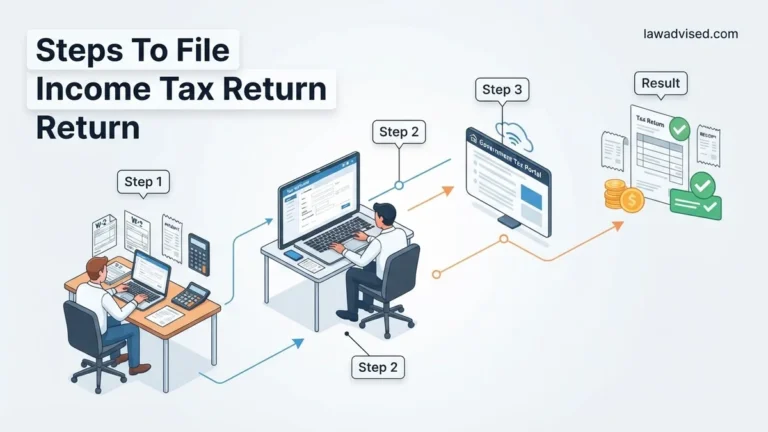
- Gather essential identification documents, including Social Security numbers and government-issued photo identification for all household members.
- Select an IRS-approved Free File software provider or log directly into the 2026 IRS Direct File portal if your state participates.
- Input personal information and select ‘zero’ or ‘none’ when prompted for wage, salary, or investment income sources.
- Review eligibility prompts for premium tax credits, energy credits, or state-specific assistance programs.
- Submit the return electronically and retain the electronic confirmation receipt for your permanent records.
Claiming Available Credits Without Tax Liability
Certain tax credits are fully refundable, meaning the government issues a financial payment even when zero tax liability exists. The IRS stresses that failure to file prevents disbursement of these funds, effectively leaving unclaimed money with the federal treasury.
What If It Still Doesn’t Work?
Taxpayers encountering system rejections, identity verification blocks, or software errors during a zero-income filing face specific troubleshooting protocols. Certified public accountants and enrolled agents outline structured fallback steps to resolve these filing roadblocks effectively.
- Verify that all dependent information and Social Security numbers match official Social Security Administration records exactly to prevent electronic rejection code IND-506.
- Print a paper Form 1040 manually, write “Zero Income” across the wage lines, sign the document, and mail it via certified mail to the designated IRS processing center.
- Request an official Verification of Non-Filing Letter directly through the IRS online Get Transcript portal if an administrative agency demands proof of zero income immediately.
- Consult a licensed tax professional or enrolled agent if identity theft flags lock your electronic filing profile. Professional representation fees typically range from $150 to $350 for basic non-filing resolution services.
Conclusion
Choosing to file a tax return with zero income protects your financial standing and unlocks crucial government credits. While the IRS does not legally mandate returns for individuals earning below standard deduction thresholds, filing remains the only way to claim refundable benefits and establish official non-income verification. According to verified research from consumer finance authorities and tax experts, proactive filing prevents unnecessary administrative delays when applying for housing, student aid, or medical assistance. Your definitive next step is to log into an approved 2026 IRS Free File provider and submit your zero-income return today.
❓ Frequently Asked Questions
What happens if I had no income and choose not to file a tax return?
If you had truly zero income and owe nothing to the IRS, nothing negative happens if you skip filing. However, you will forfeit any potential refunds from withheld taxes or unclaimed refundable credits.
Are unemployment benefits considered taxable income by the IRS?
Yes, unemployment compensation is fully taxable at the federal level and sometimes at the state level. If you received unemployment benefits, you may have a filing requirement.
How do I file a tax return if I earned no money during the year?
You can use standard tax preparation software or IRS Free File programs. You will simply report zeros on the income lines and complete any sections related to credits or withholding.
Can I claim the Child Tax Credit with zero income?
Portions of the Child Tax Credit can be refundable, known as the Additional Child Tax Credit, but you generally need some earned income to qualify, depending on current IRS limits.
Do I need to report investment income or capital gains of zero?
If you had no capital gains, dividends, or interest, you do not report them. However, if you had minimal investment income, it might trigger a filing requirement depending on your overall gross income.
Where can I get free help to determine if I need to file?
Programs like VITA (Volunteer Income Tax Assistance) offer free tax help to people who qualify, and the IRS interactive tax assistant tool can check your specific situation.

Ismail Hossain is the founder of Law Advised. He is an Divorce, Separation, marriage lawyer. Follow him.