Homeschool Laws in South Carolina: Essential Guide for Parents 2026
Are you thinking about homeschooling your children in South Carolina? Before you start, it’s important to know the laws that will guide your homeschooling journey.
Understanding these rules helps you keep everything legal and smooth, so your kids get the best education at home. You’ll discover exactly what South Carolina requires from homeschooling families. By the end, you’ll feel confident and ready to take the next step.
Keep reading to learn how to make homeschooling work for you and your family.
Credit: www.homeschoolingsc.org
Legal Requirements For Homeschooling
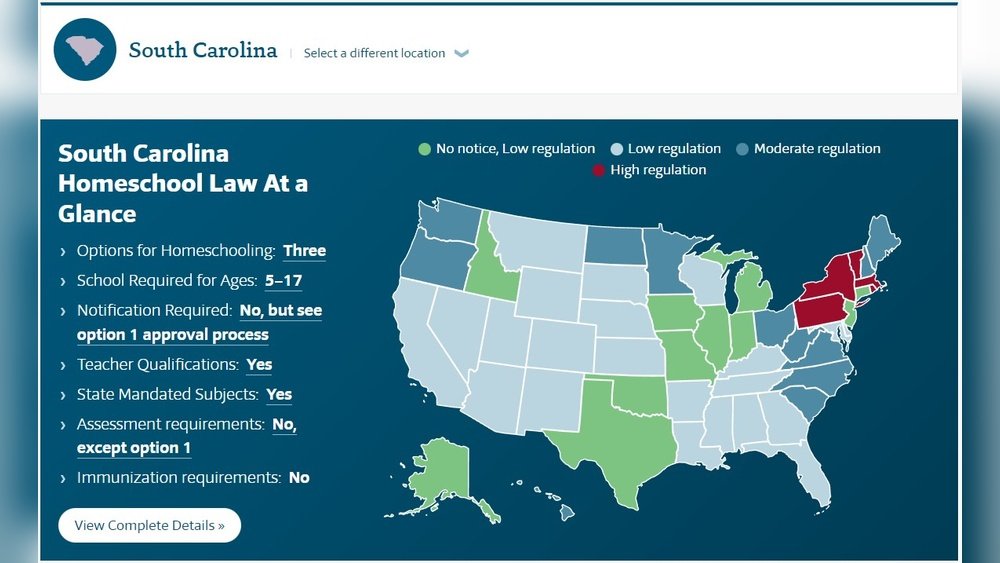
Homeschooling in South Carolina requires following specific legal rules. These rules ensure children receive proper education outside public schools. Parents must meet certain requirements to homeschool legally. Understanding these rules helps avoid legal issues and keeps education on track.
Notification Procedures
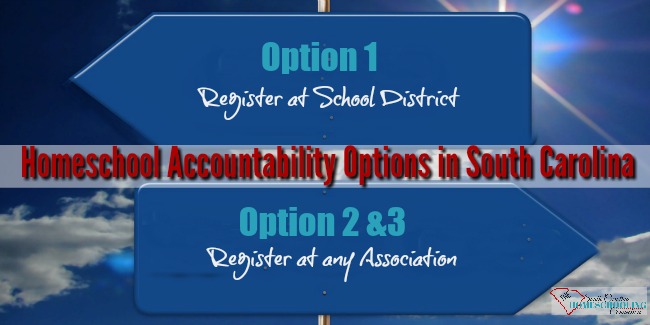
Parents must notify the local school district before starting homeschool. This notification includes a letter stating the intent to homeschool. It should list the child’s name, age, and grade level. The letter must be sent each school year. This step informs the state about homeschooling status.
Qualifications For Parents
South Carolina does not require special teaching credentials. Parents only need to be adults responsible for the child. They should provide a valid education plan. Basic knowledge and commitment to teaching are expected. No formal degree or license is necessary to homeschool.
Record-keeping Obligations
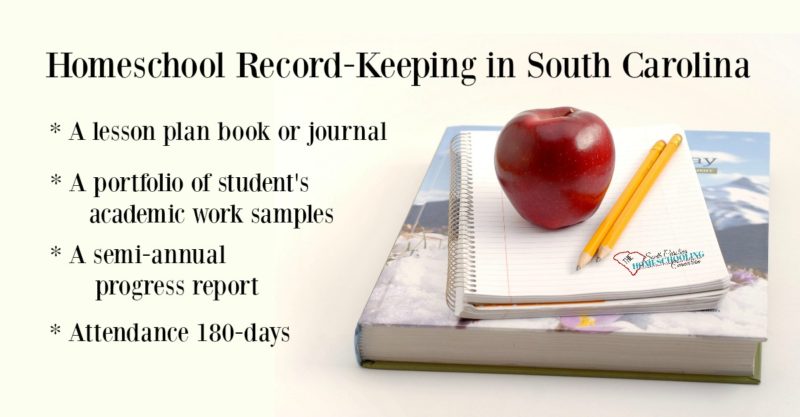
Parents must keep records of attendance and subjects taught. It is important to maintain samples of the child’s work. Records help track progress and meet state requirements. These documents may be requested by education officials. Keeping clear records protects the homeschool’s legal standing.
Credit: www.homeschoolingsc.org
Curriculum And Instruction Standards
South Carolina sets clear rules for homeschool curriculum and instruction. These rules ensure children get a balanced education at home. Parents have freedom, but must follow state guidelines. This helps maintain quality learning.
Homeschooling families must cover key subjects. The state wants students to learn essential skills. Teaching hours and days must also meet basic standards. Assessments help track progress and keep parents informed.
Required Subjects
South Carolina requires teaching in reading, writing, and math. Science and social studies are also necessary. These subjects build a strong foundation for learning. Parents can add other subjects based on interest.
Instruction Hours And Days
The state suggests about 180 days of instruction per year. Each day should include several hours of teaching. This schedule matches public school standards. Parents can choose specific times that work best.
Assessment Options
Parents must assess their child’s progress yearly. Options include standardized tests or portfolios of work. Assessments show how well the child learns. They help parents adjust teaching methods if needed.
Resources And Support For Homeschool Families
Homeschool families in South Carolina have access to many helpful resources and support networks. These tools make homeschooling easier and more effective. They connect parents and students with materials, groups, and official guidance. This support helps create a positive learning environment at home.
Local Homeschool Groups
Local homeschool groups offer a chance to meet other families. They organize events, field trips, and group classes. These groups provide emotional support and advice. Joining one helps parents share ideas and resources. Children can socialize and learn with peers.
Online Curriculum Providers
Online curriculum providers supply a wide range of learning materials. They offer courses in subjects like math, science, and language arts. Many include interactive lessons and quizzes. These providers allow families to learn at their own pace. They are flexible and easy to access from anywhere.
State Education Resources
The South Carolina Department of Education offers resources for homeschoolers. It provides guidelines, forms, and legal information. Parents can find help with record-keeping and testing requirements. The state also shares links to approved materials and support groups. These resources ensure families meet state homeschooling laws.
Common Legal Challenges And How To Avoid Them
Homeschooling in South Carolina has clear laws to follow. Challenges often arise from misunderstanding these rules. Knowing common legal issues helps protect your homeschooling journey. Simple steps can prevent many problems and keep your child’s education on track.
Compliance Issues
South Carolina requires filing a notice of intent to homeschool each year. Missing this step can cause legal trouble. Keep records of your child’s work and attendance. Use a curriculum that meets state standards. These actions show you follow state rules. Staying organized avoids compliance problems.
Dealing With School Districts
School districts may question your homeschooling status. They might ask for proof of attendance or curriculum. Respond quickly and politely with required documents. Clear communication reduces conflict. Understand your rights to homeschool without district interference. Respectful dialogue can solve many misunderstandings.
Handling State Audits
South Carolina may conduct audits to check homeschooling compliance. Audits review attendance, curriculum, and records. Keep all documents neat and accessible. Prepare for audits by updating files regularly. Being ready makes audits easier and less stressful. Proper preparation protects your homeschooling rights.
Recent Changes And Updates For 2026
South Carolina has introduced important updates to its homeschooling laws for 2026. These changes affect how families must report and manage homeschooling. Understanding these updates helps parents stay compliant with state rules. The new rules aim to clarify homeschooling requirements and improve education quality.
New Legislation Impacting Homeschooling
The 2026 legislation requires homeschool families to submit an annual notice of intent. This notice must include basic student information and the planned curriculum. Parents need to keep attendance records and provide test results if asked. The law also outlines acceptable teaching qualifications for parents. These rules help ensure students receive a proper education at home.
Policy Trends In South Carolina
The state is moving towards more oversight of homeschooling. Lawmakers focus on student progress and safety. The trend favors clear guidelines and better communication between families and school districts. South Carolina wants to balance parental freedom with accountability. This approach supports families while maintaining educational standards.
Preparing For Future Changes
Parents should regularly check for updates on homeschooling laws. Staying informed helps avoid legal issues and ensures smooth homeschooling. Joining local homeschooling groups can offer support and resources. Planning curricula that meet state standards is wise. Preparing early helps families adapt to new rules easily.
Credit: aaa-sc.com
Frequently Asked Questions
What Are The Basic Homeschool Requirements In South Carolina?
Parents must teach at least 180 days each year. They need to provide instruction in reading, math, and other core subjects.
Do South Carolina Parents Need To Register Their Homeschool?
No state registration is required to start homeschooling. But keeping records and a portfolio is highly recommended.
How Often Should Homeschool Records Be Updated In South Carolina?
Parents should update records annually. This helps track progress and is useful if transferring to public school.
Can South Carolina Homeschooled Students Participate In Public School Sports?
Yes, homeschooled students can join public school sports. They must meet the school’s eligibility rules.
What Age Must Children Start Homeschooling In South Carolina?
Children must start school by age 5 or 6. Homeschooling can begin anytime after that age.
Are Standardized Tests Required For South Carolina Homeschoolers?
Standardized testing is not required by law. Parents may choose to test to check their child’s progress.
Conclusion
Understanding South Carolina’s homeschool laws helps parents teach with confidence. The rules protect your child’s education and your rights. Keep records and follow state guidelines to avoid issues. Homeschooling can fit your family’s needs and values. Stay informed and reach out for help when needed.
Every child deserves a good education, whether at home or school.

Ismail Hossain is the founder of Law Advised. He is an Divorce, Separation, marriage lawyer. Follow him.