Window Tint Laws in South Carolina: Essential Rules You Must Know
Are you thinking about tinting your car windows in South Carolina? Before you head to the shop, it’s important to know the rules that protect you and keep you safe on the road.
Window tint laws in South Carolina can be tricky, and getting it wrong might mean fines or even having to remove your tint. This guide breaks down everything you need to know so you can enjoy the benefits of tinted windows without any trouble.
Keep reading to find out exactly what’s allowed and what’s not—your car and your wallet will thank you.
Credit: kepler-dealer.com
Legal Tint Limits For South Carolina
South Carolina has clear rules about how dark your car windows can be tinted. These rules help keep drivers and passengers safe. They also make sure police officers can see inside cars during stops. Knowing the legal tint limits helps you avoid fines and keep your car street-legal.
The laws focus on how much light must pass through your windows. This is called Visible Light Transmission (VLT). The higher the VLT, the lighter the tint. South Carolina sets different limits for different windows on your vehicle.
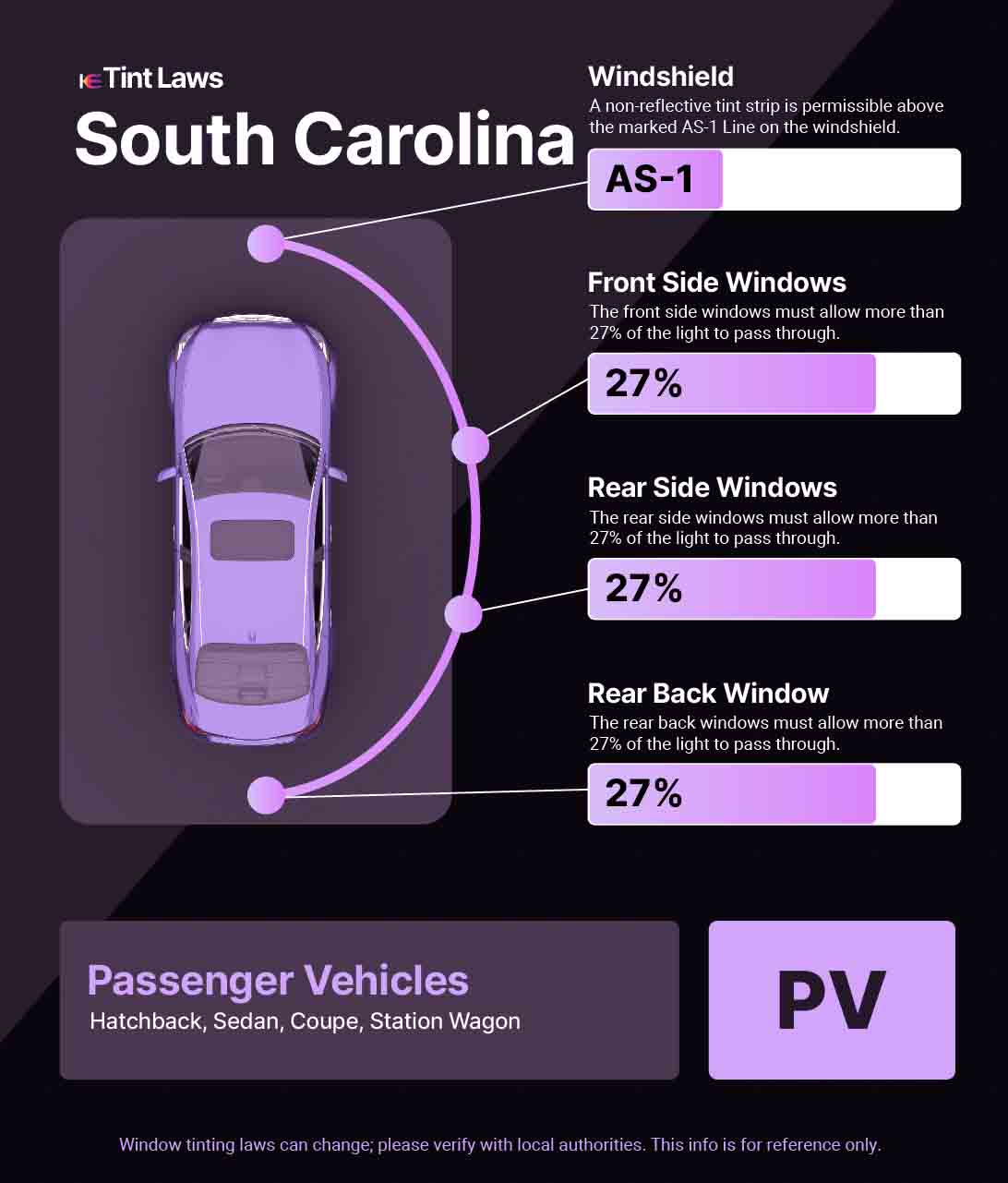
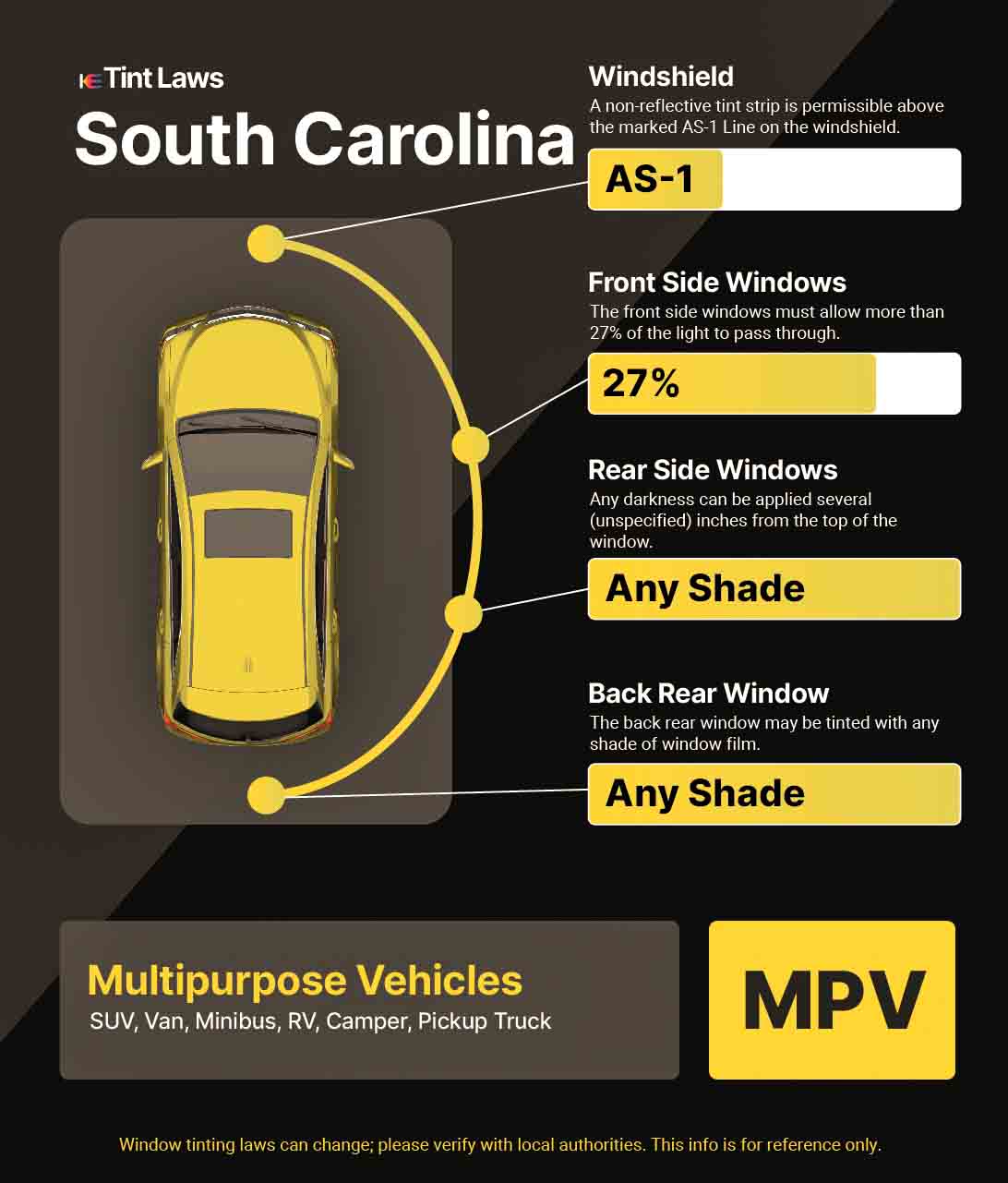
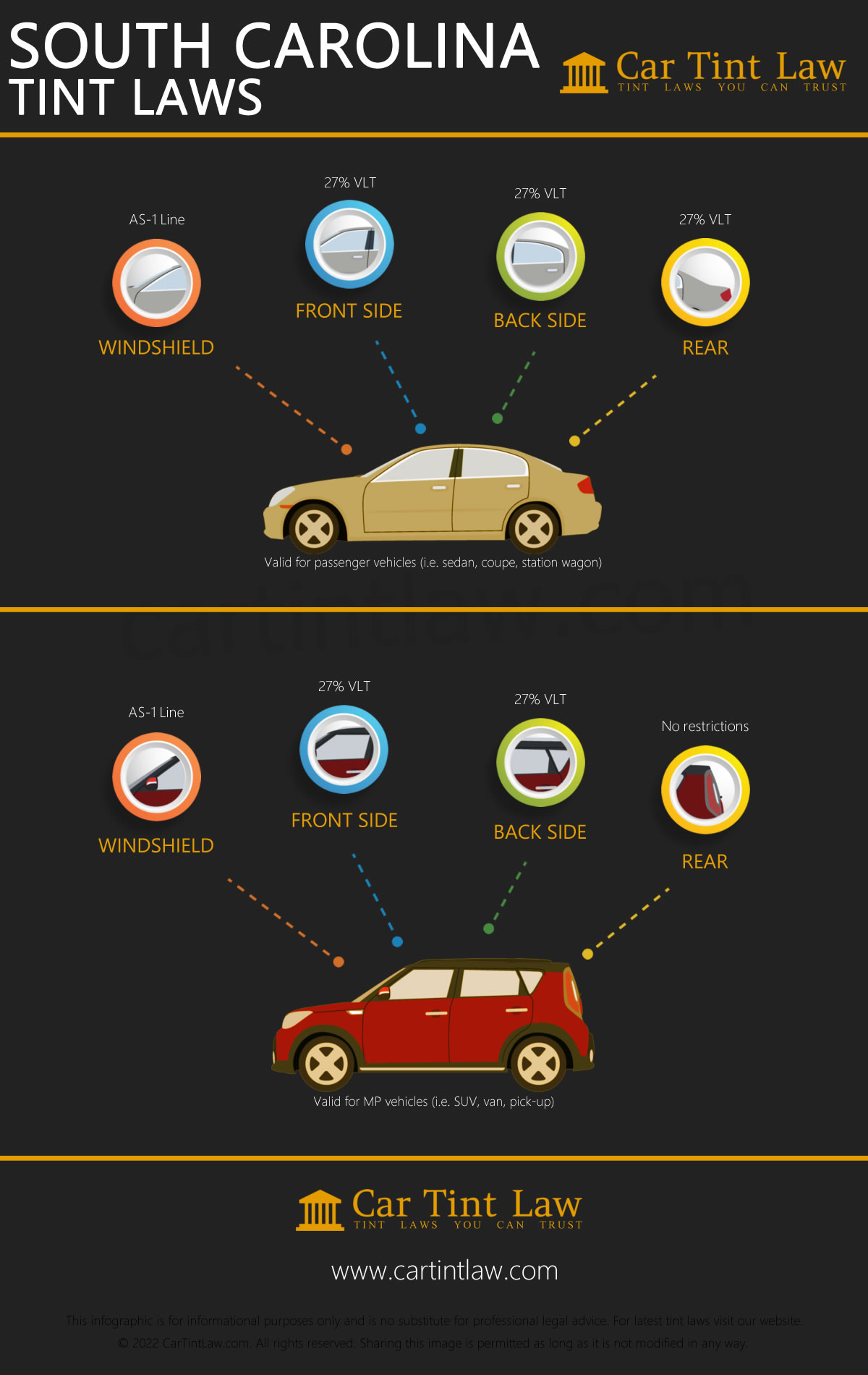
Front Side Window Regulations
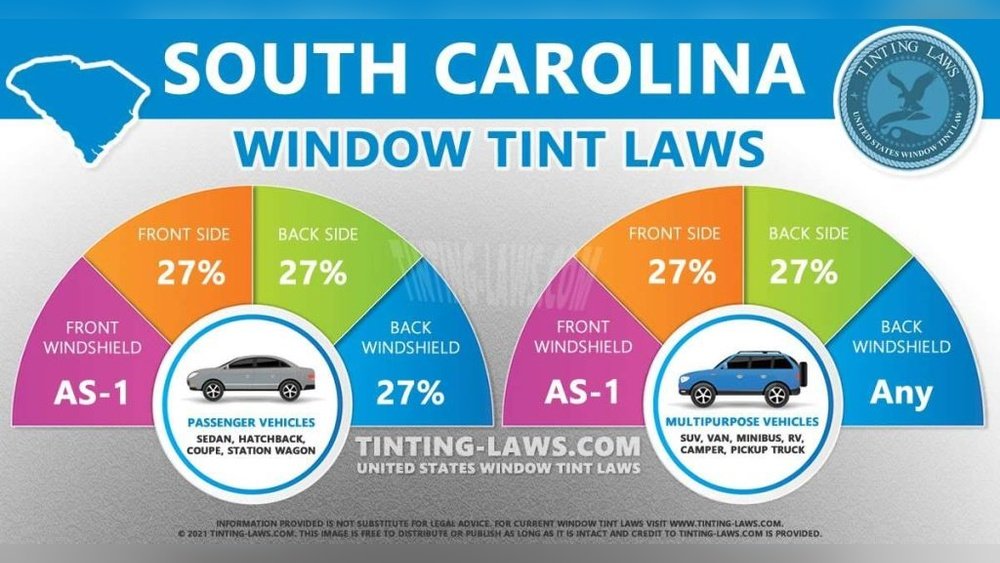
The front side windows must allow more light through. South Carolina requires a VLT of at least 28% on these windows. This means the tint can block up to 72% of light. Darker tints on front side windows are not legal.
Rear Side And Back Window Rules
The rear side and back windows can have darker tint. The law does not set a specific VLT for these windows. Tints can be darker or even fully tinted. Drivers must have side mirrors on both sides if the back windows are tinted dark.
Windshield Tinting Restrictions
Tinting on the windshield is mostly not allowed. Tint can only be applied to the top few inches. This area is called the “AS-1 line.” The tint here must not block driver visibility. Dark windshield tinting is illegal in South Carolina.
Types Of Window Tint Films Allowed
South Carolina has clear rules about the types of window tint films you can use on your vehicle. These rules help keep drivers safe and ensure good visibility on the road. Knowing which tint films are allowed can save you from fines or having to remove illegal tint.
The state allows both reflective and non-reflective tint options. Each type has limits on how dark or shiny the film can be. Following these limits is important for your safety and legal compliance.
Reflective And Non-reflective Options
Reflective tints have a shiny or mirror-like surface. They reduce glare from the sun but can affect the view of law enforcement. South Carolina limits reflective tint to a certain level to avoid this problem.
Non-reflective tints are darker but do not shine. They help block sunlight and keep the car cooler. The law sets a minimum light transmission percentage, which means the tint cannot be too dark.
Both types must follow these rules on the front side windows and rear windows. The windshield usually has stricter rules or no tint allowed except for a strip at the top.
Medical Exemptions For Tinted Windows
People with certain medical conditions may get permission for darker tints. This exemption helps protect sensitive skin or eyes from sunlight. A doctor must provide a written statement for the exemption.
With this document, the driver can use tint films that are normally not allowed. The exemption must be carried in the vehicle and shown if asked by police. This law ensures safety while accommodating health needs.
Penalties For Violating Tint Laws
Violating window tint laws in South Carolina can lead to serious penalties. These rules protect drivers and pedestrians by ensuring clear visibility. Breaking tint laws can cause legal and financial troubles. Understanding penalties helps avoid fines and other issues.
Fines And Citations
South Carolina law enforcement officers issue fines for illegal window tint. The amount depends on the severity of the violation. First-time offenders face smaller fines. Repeat violations result in higher penalties. Citations may require court appearances. Police may also order removal of the illegal tint.
Impact On Vehicle Inspection
Vehicles with illegal tint may fail state inspections. Failed inspections mean no registration renewal. Drivers must remove or fix the tint to pass. This adds extra cost and time. Keeping tint within legal limits avoids inspection problems.
How To Check Your Window Tint Compliance
Checking your window tint compliance in South Carolina is important to avoid fines. The state has clear rules about how dark your tint can be. Knowing the right way to check your tint helps you stay safe and legal.
Two common ways to check your window tint are using a tint meter or getting a professional inspection. Both methods give you clear results on your tint’s darkness. This helps you make changes if your tint does not meet the law.
Using A Tint Meter
A tint meter measures how much light passes through your car windows. This device gives a percentage called Visible Light Transmission (VLT). South Carolina law requires certain minimum VLT levels.
You can buy or borrow a tint meter for a quick check. Hold the meter against your window and read the number. If the VLT is too low, your tint is too dark and not legal. This method is fast and easy to do yourself.
Professional Inspection Services
Many auto shops offer window tint inspections. Professionals use accurate tools to measure your tint’s VLT. They can tell if your tint meets South Carolina rules.
Getting a professional check is smart before buying or selling a car. Experts can also advise on legal tint options. This service saves time and helps avoid fines.
Tips For Choosing Legal Window Tint
Choosing the right window tint for your vehicle in South Carolina requires careful thought. The state has specific rules about how dark your tint can be. Following these rules helps avoid fines and keeps your car legal.
Understanding the laws is the first step. Picking a tint that meets legal limits protects you from penalties. It also ensures good visibility for safe driving.
Selecting The Right Shade
Pick a tint shade allowed by South Carolina law. The front side windows must let in more than 28% of light. Rear windows have fewer restrictions but check before you decide. Darker tints may look good but can cause legal trouble. Choose a shade that balances style and legality.
Working With Certified Installers
Choose installers who know South Carolina tint laws well. Certified professionals use quality materials and follow legal rules. They can advise on the best tint options for your vehicle. Proper installation avoids issues like bubbles and peeling. Trust experts to keep your tint legal and neat.
Credit: kepler-dealer.com
Credit: www.cartintlaw.com
Frequently Asked Questions
What Are South Carolina’s Window Tint Limits For Cars?
South Carolina law requires front side windows to allow over 28% light in. Rear side and back windows can have darker tints with no specific limit. Windshield tinting is only allowed on the top 5 inches.
Is Medical Exemption Allowed For Darker Window Tint In South Carolina?
Yes, medical exemptions exist for darker tints due to health reasons. Drivers must carry a doctor’s note to legally use darker film. Police may verify the medical exemption during traffic stops.
Can I Get A Ticket For Illegal Window Tint In South Carolina?
Yes, law enforcement can stop you for illegal window tint. Fines vary and may increase for repeated offenses. Removing or fixing the tint usually resolves the issue.
How To Measure Window Tint Darkness Legally In South Carolina?
Tint darkness is measured by Visible Light Transmission (VLT) percentage. Police use special tools called tint meters to check VLT. The lower the VLT, the darker the tint.
Are There Special Tint Rules For Commercial Vehicles In South Carolina?
Commercial vehicles have similar tint rules but with some exceptions. Some commercial trucks allow darker rear window tints. Always check specific regulations for commercial vehicle tinting.
Can Aftermarket Tint Films Be Installed On South Carolina Vehicles?
Aftermarket tints are allowed if they meet state regulations. The tint must not reduce light below legal limits. Installation should follow the law to avoid fines or removal orders.
Conclusion
Knowing South Carolina’s window tint laws helps you stay safe and legal. The rules protect drivers and passengers on the road. Always check your tint percentage before installation. Clear understanding avoids fines and trouble with police. Follow these guidelines to enjoy tint benefits without risks.
Stay informed and drive confidently every day.

Ismail Hossain is the founder of Law Advised. He is an Divorce, Separation, marriage lawyer. Follow him.