How To Become A Licensed Private Investigator In Hawaii: Ultimate Guide
Are you curious about how to become a licensed private investigator in Hawaii? If you’ve ever wanted a career where you can uncover the truth, solve mysteries, and help people, this might be the perfect path for you.
Becoming a private investigator in Hawaii isn’t just about having sharp eyes—it requires meeting specific requirements and following clear steps. You’ll discover exactly what you need to do to get your license, what skills will set you apart, and how to start your new career with confidence.
Keep reading to find out how you can turn your interest in investigation into a rewarding profession.

Credit: investigativeacademy.com
Hawaii Licensing Requirements
Becoming a licensed private investigator in Hawaii requires meeting specific state rules. These rules ensure that only qualified people work in this field. Understanding the licensing requirements is the first step in your PI career.
Hawaii sets clear standards for age, education, and personal history. Meeting these helps protect the public and maintain professional integrity. Each requirement plays a key role in the approval process.
Age And Residency Criteria
You must be at least 21 years old to apply. This age limit helps ensure maturity and responsibility. Applicants must also live in Hawaii or plan to live there. Residency shows a commitment to the local community.
Educational Qualifications
A high school diploma or GED is the minimum education needed. Some applicants choose to take extra courses in law or investigation. These classes improve knowledge and skills. They can make you more prepared for work challenges.
Background Check Essentials
A clean criminal record is vital for licensing approval. Hawaii requires a thorough background check. This check looks for any past crimes or legal issues. It helps keep the field trustworthy and safe for everyone.
Credit: bondinvestigations.com
Training And Experience Needed
Training and experience are key to becoming a licensed private investigator in Hawaii. The state requires certain work experience to ensure you understand the job. Proper training helps you learn investigative skills and legal rules. Both are important to do the work well and follow the law.
Required Work Experience
Hawaii requires at least three years of full-time investigative work. This work must be under a licensed private investigator or a law enforcement agency. Part-time work can count if it adds up to the full three years. Experience in related fields, like security or military work, might also count. This helps you gain real-world skills needed for private investigations.
Recommended Training Programs
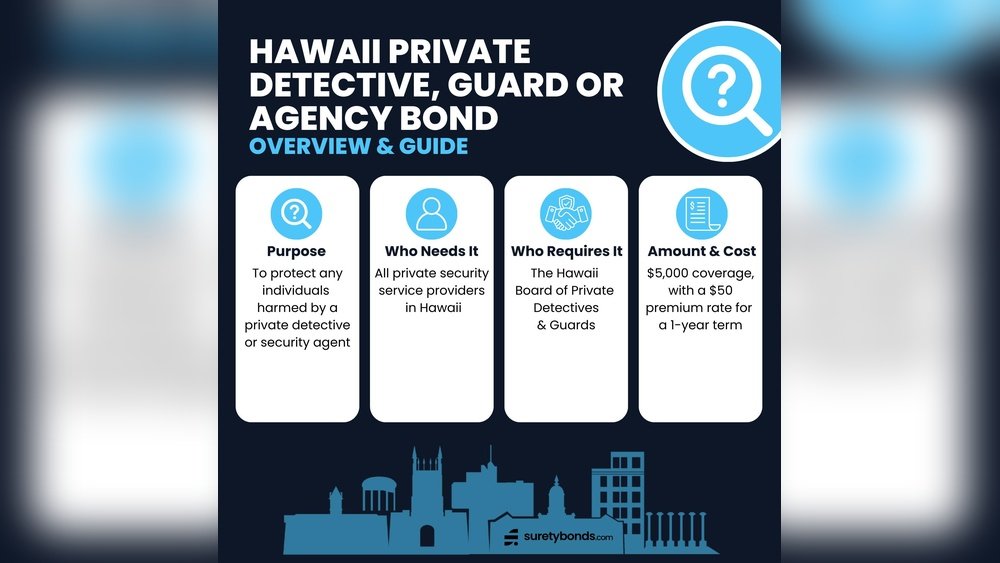
Training programs teach important skills for private investigators. These include surveillance, interviewing, and report writing. Some programs also cover Hawaii laws about privacy and evidence. Choose programs approved by the Hawaii Board of Private Detectives and Guards. These programs prepare you for the state licensing exam. Training helps you work smarter and more legally.
Application Process Steps
The application process to become a licensed private investigator in Hawaii involves clear, structured steps. Each step ensures you meet the state’s requirements. Following them carefully speeds up your approval.
Read each part closely. Prepare all needed documents before starting. This will help avoid delays and confusion.
Submitting Your Application
Start by filling out the official application form. This form is available on Hawaii’s Department of Commerce website. Complete all sections carefully. Double-check your personal information for accuracy.
Submit the form by mail or online, depending on the instructions. Keep a copy for your records. Missing details can lead to rejection.
Fees And Documentation
Pay the required application fee. The fee amount may change, so check the latest information. Include the payment with your application.
Provide all necessary documents. These usually include proof of identity, background checks, and work experience. Make sure each document is clear and valid.
Interview And Examination
After your application review, you will be scheduled for an interview. The interview tests your knowledge and suitability. Be honest and clear in your answers.
You must also pass a written exam. The exam covers laws, ethics, and investigation skills. Study guides are available to help you prepare.
Credit: bondinvestigations.com
Maintaining Your License
Maintaining your private investigator license in Hawaii requires ongoing effort. Staying current with rules and procedures keeps your license valid. It also helps protect your reputation and career. Understand the requirements clearly to avoid any issues.
Renewal Procedures
Renew your license before the expiration date. Submit the renewal form to the Hawaii Board of Private Detectives and Guards. Pay the required renewal fee on time. Late renewals may cause penalties or license suspension. Keep track of your license expiration date carefully.
Continuing Education
Complete required continuing education courses regularly. These courses update your knowledge on investigation techniques and laws. Hawaii may require a specific number of training hours each year. Choose approved courses to meet state standards. This education improves your skills and keeps you informed.
Compliance With State Laws
Follow all Hawaii state laws related to private investigations. Avoid any illegal activities that may harm your license status. Keep records of your work as required by law. Stay updated on changes in licensing rules and regulations. Compliance ensures you remain in good standing with the state.
Career Opportunities In Hawaii
Hawaii offers many career opportunities for private investigators. The islands need skilled professionals to help solve cases. Private investigators work in different fields and environments. This makes the job interesting and varied. Many people find it rewarding to work in Hawaii’s unique setting.
Private Sector Roles
Private investigators in Hawaii often work for companies. They help with fraud cases, background checks, and insurance claims. Some specialize in finding missing people or gathering evidence for court. Businesses hire investigators to protect their assets and employees. These roles provide steady work and good pay.
Government Positions
The government hires private investigators for various tasks. They work with law enforcement agencies and regulatory bodies. Investigators may assist in criminal cases or fraud investigations. Working for the government offers job security and benefits. Many find this path rewarding and stable.
Starting Your Own Agency
Some private investigators open their own agencies in Hawaii. This allows more control over work and clients. Running an agency needs good business skills and local knowledge. It can be profitable with the right marketing and service quality. Many enjoy the freedom and challenge of self-employment.
Frequently Asked Questions
What Are The Basic Requirements To Become A Private Investigator In Hawaii?
You must be at least 21 years old and have a clean criminal record. Hawaii also requires relevant work experience or education before applying for a license.
How Do I Apply For A Private Investigator License In Hawaii?
Submit a completed application to the Hawaii Department of Commerce and Consumer Affairs. Include proof of experience, background check, and application fees.
What Kind Of Experience Is Needed For A Hawaii Pi License?
Work experience in law enforcement, security, or investigative roles is accepted. At least three years of full-time experience or equivalent education is required.
How Long Does It Take To Get A Private Investigator License In Hawaii?
The licensing process usually takes around 60 to 90 days. This includes application review, background checks, and exam scheduling.
Are There Any Exams For Private Investigator Licensing In Hawaii?
Yes, applicants must pass a licensing exam. The test covers Hawaii laws, investigative procedures, and ethical standards.
Can Non-residents Become Licensed Private Investigators In Hawaii?
Non-residents can apply but must meet all state requirements. They must also have a local business address or agent in Hawaii.
Conclusion
Becoming a licensed private investigator in Hawaii takes clear steps and effort. You must meet state requirements and complete necessary training. Passing the licensing exam is crucial to start working legally. Gaining experience helps build skills and trust. Staying updated with laws keeps your work effective and safe.
This career offers many opportunities for those who stay dedicated. Start your journey with focus and patience. Success comes with learning and hard work.

Ismail Hossain is the founder of Law Advised. He is an Divorce, Separation, marriage lawyer. Follow him.