How To Become A Licensed Private Investigator In Missouri: Ultimate Guide
Are you interested in becoming a licensed private investigator in Missouri? If so, you’re about to discover exactly what it takes to turn that goal into reality.
Becoming a private investigator isn’t just about curiosity—it’s about following clear steps to get licensed, gaining the right skills, and understanding the rules that protect you and your clients. You’ll find simple, straightforward guidance to help you navigate the licensing process with confidence.
Keep reading, and you’ll learn how to start your career the right way, avoid common mistakes, and stand out in this exciting field. Your path to becoming a licensed private investigator in Missouri starts here.
Missouri Licensing Requirements
Becoming a licensed private investigator in Missouri requires meeting specific state rules. These rules ensure that investigators work legally and professionally. The Missouri licensing requirements are clear and must be followed closely.
Understanding these requirements helps you prepare properly. This section explains what Missouri expects from applicants. It covers the main steps and conditions to get your license.
Age And Residency Requirements
You must be at least 21 years old to apply. Missouri does not require you to live in the state. But you must provide a valid address for contact. Proof of legal U.S. residency is necessary.
Experience And Education
You need at least three years of investigative experience. This experience can be in law enforcement, military, or private investigation. Some education in criminal justice helps but is not mandatory.
Background Check
A clean criminal record is essential. Missouri requires a fingerprint-based background check. Any felony convictions may disqualify you from getting a license.
Application And Fees
Submit a completed application to the Missouri Department of Public Safety. Include all required documents and fees. The application fee varies, so check the latest cost before applying.
Examination And Bonding
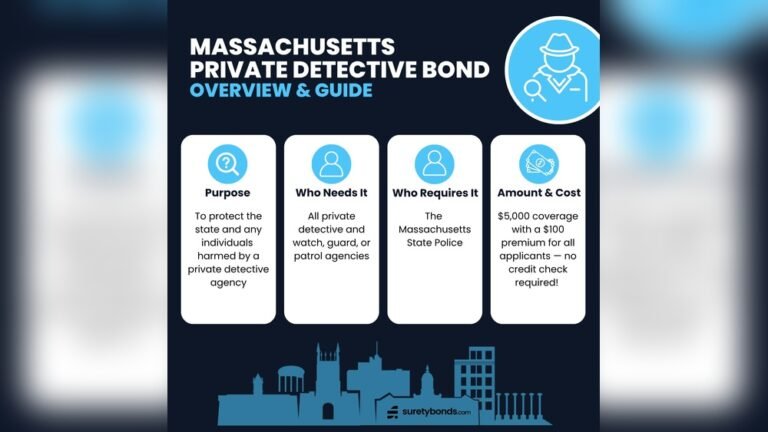
Pass a written exam on Missouri laws and investigative practices. Obtain a surety bond as proof of financial responsibility. The bond amount is usually set by the state law.

Credit: investigativeacademy.com
Educational And Experience Criteria
The path to becoming a licensed private investigator in Missouri requires meeting certain educational and experience criteria. These requirements help ensure that candidates have the knowledge and skills needed for the job. Understanding these rules is key to starting your career in private investigation.
Missouri law sets clear standards for education and work experience. These standards help protect the public by making sure investigators are qualified. Below are the main educational and experience requirements you must meet.
Educational Requirements For Private Investigators
Missouri does not require a college degree for private investigator licensing. However, having a high school diploma or GED is mandatory. Some candidates choose to study criminal justice or related fields. This education can improve skills and job prospects.
Experience Requirements To Qualify For Licensing
Candidates must have at least three years of investigative experience. This work must be full-time and related to private investigation tasks. Experience gained in law enforcement, military, or private investigation counts. Proof of this experience is essential during the application.
Alternative Paths To Meet Criteria
Missouri allows experience to substitute some education. For example, certain military service or police work may count. Training programs approved by the state can also help meet requirements. Always check current state rules to confirm acceptable experience.
Application Process Steps
Starting the application process to become a licensed private investigator in Missouri is straightforward. It involves several clear steps. Follow each step carefully to avoid delays or mistakes.
These steps ensure you meet all legal and professional requirements. The process includes paperwork, background checks, and fees. Understanding each part helps you prepare and submit your application successfully.
Gather Required Documents
Collect all necessary documents before beginning your application. This includes proof of age, residency, and work history. Also, have your fingerprints and any training certificates ready. Organizing these documents speeds up your application review.
Complete The Application Form
Fill out the official Missouri private investigator license application form. Provide accurate personal details and work experience. Double-check the form to avoid errors. Incomplete or wrong information can cause delays.
Submit Fingerprints And Background Check
Missouri requires a criminal background check for all applicants. Submit your fingerprints to the Missouri State Highway Patrol. This step confirms your eligibility to hold a license. Clean records improve your chances of approval.
Pay The Application Fee
Include the required fee with your application. Missouri sets a specific amount for private investigator licenses. Payments may be made by check or online. Keep your receipt as proof of payment.
Wait For Application Review
The Missouri authorities review your application carefully. This process can take several weeks. Use this time to prepare for the next steps. Stay available for any follow-up questions or interviews.

Credit: www.investigativelearning.com
Examination And Background Checks
Becoming a licensed private investigator in Missouri requires passing exams and clearing background checks. These steps ensure candidates meet the state’s professional standards. They also verify trustworthiness and skills needed for the job.
The examination tests knowledge of laws, investigation techniques, and ethics. Background checks reveal any criminal history or issues that might affect licensing. Both are important to protect the public and maintain integrity in the field.
Examination Requirements For Missouri Private Investigators
The state demands passing a written exam. It covers Missouri laws about private investigations. Questions include evidence handling, surveillance rules, and licensing laws. The test ensures you understand the legal limits and responsibilities. You must prepare well to succeed on this exam.
How To Prepare For The Examination
Study Missouri statutes and private investigator guidelines carefully. Use study guides and practice tests available online. Join a prep course or find study groups for better understanding. Focus on key topics like privacy laws and report writing. Practice clear and concise answers for exam questions.
Background Check Process
Missouri requires a thorough background check for all applicants. This includes fingerprinting and criminal record searches. The state looks for any felony convictions or serious misdemeanors. A clean record is essential for approval. Past issues can delay or stop your application.
What Background Checks Look For
Authorities check criminal history, drug offenses, and any legal problems. They also verify your identity and previous employment. Any dishonesty in the application can cause denial. The goal is to find trustworthy candidates who follow the law.
Maintaining And Renewing Your License
Maintaining and renewing your private investigator license in Missouri is crucial. It keeps you legal and ready to work. The state requires regular updates to ensure all investigators follow the law and rules. Missing renewal deadlines can cause your license to expire. That stops you from working until you fix it.
Staying up to date is simple if you know the steps. Keep track of your renewal dates and needed documents. Missouri’s licensing board sets clear rules for this process. Meeting these requirements helps you avoid penalties or delays.
Submitting Renewal Applications On Time
Missouri private investigator licenses expire every two years. You must submit a renewal application before the expiration date. Early submission is best to avoid last-minute problems. The state usually sends reminders, but don’t rely only on them. Check your license date and mark your calendar.
Completing Required Continuing Education
Continuing education is a must for license renewal. It keeps your skills sharp and knowledge current. Missouri requires private investigators to complete specific training hours. These courses cover laws, ethics, and investigative techniques. Keep certificates of completion as proof for renewal.
Paying Renewal Fees
Renewal includes a fee that must be paid with the application. The fee amount can change, so check the latest rates. Payments usually happen online or by mail. Missing payment means your license will not renew. Keep your receipt until renewal confirmation arrives.
Reporting Any Changes In Information
Notify the licensing board if your contact or business details change. This helps the state keep records accurate. Updated information ensures you get all official notices and renewals. Failing to report changes can cause communication issues or fines.

Credit: bondinvestigations.com
Frequently Asked Questions
What Are The Basic Requirements To Become A Private Investigator In Missouri?
You must be at least 18 years old and have a clean criminal record. Missouri also requires proof of experience or education related to investigations.
How Long Does It Take To Get A Private Investigator License In Missouri?
The licensing process usually takes about 2 to 3 months after submitting your application. This includes background checks and approval from the Missouri Department of Public Safety.
What Experience Is Needed To Qualify For A Pi License In Missouri?
You need at least three years of experience in law enforcement, investigations, or military police work. Alternatively, a combination of education and experience may also qualify.
What Are The Main Steps To Apply For A Missouri Pi License?
You must complete an application, submit fingerprints, provide proof of experience, and pay the required fees. The Missouri Private Investigator Licensing Unit handles this process.
Can I Work As A Private Investigator Without A License In Missouri?
No, working without a license is illegal and can lead to fines or jail time. Always ensure you have a valid license before offering private investigation services.
Are There Any Ongoing Requirements To Keep A Private Investigator License In Missouri?
Yes, license holders must renew their license every two years and complete continuing education. Staying updated with laws and skills is important for license renewal.
Conclusion
Becoming a licensed private investigator in Missouri takes clear steps and dedication. Complete the required education and training carefully. Pass the licensing exam with confidence. Maintain your license by following state rules. Stay honest and professional in all work. This career offers many chances to learn and grow.
Start your journey today with focus and patience. Success comes to those who prepare well and act responsibly.

Ismail Hossain is the founder of Law Advised. He is an Divorce, Separation, marriage lawyer. Follow him.