Income Limit For Dependents 2026 Expert Guide & Rules
The income limit for dependents depends strictly on whether you are claiming a qualifying child or a qualifying relative. While qualifying children generally face no gross income limit, qualifying relatives must earn less than the IRS threshold to qualify for dependency status.
For the 2026 tax year, the maximum gross income limit for claiming a Qualifying Relative as a dependent is $5,200. If your relative earns $5,200 or more in gross taxable income during 2026, you generally cannot claim them as your dependent. However, Qualifying Children face a different set of rules, where gross income limits do not apply, but age, residency, and financial support tests dictate your eligibility instead.
Navigating these IRS thresholds prevents costly tax return rejections and unexpected audit adjustments. Whether you are supporting an aging parent, an adult child, or another relative, understanding exactly which dollars count toward the income limit ensures you claim every tax credit and deduction you deserve without running afoul of federal tax laws.
Key Takeaways
- Qualifying relatives must earn less than the IRS gross income limit for 2026.
- Qualifying children do not have a gross income limit, but age and support tests apply.
- Tax-exempt income, such as certain welfare benefits, is excluded from gross income calculations.
- Providing more than 50% of total financial support is required regardless of income limits.
- Verify all taxable earnings before filing to prevent IRS dependency claim rejections.
What Causes Dependency Claim Rejections Due to Income Limits
Tax returns get flagged or rejected when a claimed dependent’s reported income exceeds the statutory limits set by the IRS. The distinction between the two types of dependents—Qualifying Children and Qualifying Relatives—is the primary driver behind these rejections.
The $5,200 Gross Income Wall for Qualifying Relatives
For a Qualifying Relative in 2026, the gross income ceiling sits strictly at $5,200. This rule catches many taxpayers off guard because they confuse cash flow with taxable gross income. If your relative brings in $5,250 in taxable wages, the IRS disqualifies them entirely, meaning you lose the $500 Credit for Other Dependents. Even a minor overage means zero dependency benefits for that individual.
Qualifying Children and the Absence of Income Caps
Qualifying Children do not face a maximum gross income limit. A teenage dependent can earn $10,000 working a part-time retail job in 2026 and still remain your dependent. Rejections for qualifying children usually stem from failing the support test rather than income limits. If the child provides more than half of their own total financial support using their earnings, they fail the test and lose dependent status.
How to Calculate Gross Income and Test Dependent Eligibility Step-by-Step
Calculating gross income accurately is essential to determine if your dependent clears the 2026 threshold. Gross income includes all income in the form of money, property, and services that is not exempt from tax. Knowing what counts—and what stays excluded—protects you from miscalculating your dependent’s financial status.
What Counts Toward Gross Income
To perform the calculation correctly, you must sum up all taxable revenue streams your potential dependent receives throughout the tax year. Exclude any non-taxable funds to keep the total artificially deflated.
- Wages, salaries, tips, and professional fees from employment
- Taxable interest, ordinary dividends, and capital gains
- Taxable pensions, annuities, and traditional IRA distributions
- Unemployment compensation and taxable portions of scholarships
Excluded Income and Practical Example
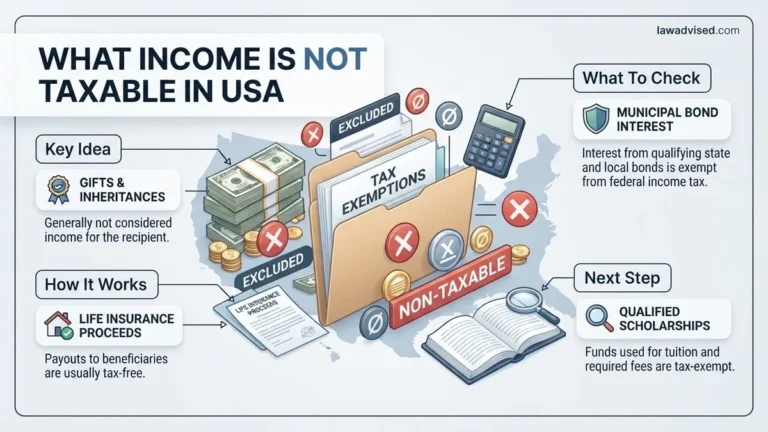
Certain funds do not count toward the $5,200 limit. Tax-exempt Social Security benefits (unless the recipient’s total income is high), welfare payments, and Supplemental Security Income (SSI) are excluded from gross income calculations. For example, if your mother receives $10,000 in tax-exempt Social Security and $4,500 from a part-time job, her gross taxable income is only $4,500. Because this falls below the 2026 limit of $5,200, she successfully qualifies as your dependent, provided you satisfy the support and relationship tests.
How to Fix Support and Income Discrepancies Before Filing
Taxpayers often discover discrepancies in a dependent’s gross income or total support calculations right before submitting their 2026 tax returns. Resolving these variances quickly prevents costly audits and processing delays from the IRS. According to the IRS Publication 501 guidelines, establishing exact financial timelines for the calendar year is critical to validating dependency claims.
Step 1: Recalculate the Total Support Fraction
Gather all financial records to compute the exact support provided by the taxpayer versus the dependent and third parties. Financial experts recommend compiling bank statements, utility bills, housing cost estimates, and medical receipts. The taxpayer must prove they provided more than 50 percent of the total support for a qualifying relative, or that the qualifying child did not provide more than half of their own support.
Step 2: Audit Gross Income Verification Documents
Review all Form W-2s, 1099s, and investment statements issued to the dependent for the 2026 tax year. Tax compliance specialists note that non-taxable scholarship income or tax-exempt municipal bond interest does not count toward the gross income test, though it may factor into the dependent’s self-support calculation. Ensure any year-end bonuses or retroactive payments are properly allocated to the correct calendar year.
- Compile all documented income streams and cross-reference them against the strict 2026 statutory limits.
- Subtract any excludable income sources, such as welfare benefits or gifts, from the gross income total.
- Verify that the dependent’s funds were actually spent on their own support rather than saved or invested.
What If It Still Doesn’t Work?
If financial calculations still hover near the threshold and compliance remains uncertain, taxpayers must pivot to alternative filing strategies. Failing to clear the income or support tests means the dependent cannot be claimed on the 2026 return. Consider these mandatory fallback actions to remain compliant with federal tax law:
- File as Single or Head of Household: If the individual fails the dependent tests, remove them from the return immediately. Adjust your filing status to Head of Household if you maintain a qualifying home for someone else.
- Explore Alternative Tax Credits: Investigate whether the individual qualifies for other provisions, such as the Credit for Other Dependents, which applies to non-child dependents who fail the gross income test.
- Consult a Certified Public Accountant (CPA): Engage a licensed tax professional to review complex multi-source income scenarios. Professional consultations for individual tax advisory generally range from $250 to $600 depending on complexity.
- File an Extension: If documentation is missing or ambiguous, file Form 4868 to extend the 2026 filing deadline. This grants additional time until October to gather accurate financial records.
Conclusion
Navigating the income limit for dependents in 2026 requires meticulous tracking of gross income thresholds and total support calculations to avoid IRS penalties. Failing to properly verify these numbers can trigger costly audits or the denial of valuable tax credits. According to verified research and expert tax compliance sources, the most effective next step is to audit all financial support records and income statements before officially submitting your tax return. Take action today by organizing your dependent’s 2026 financial documents to ensure complete compliance.
❓ Frequently Asked Questions
How does the IRS define gross income when checking dependent limits?
Gross income includes all taxable income in the form of money, property, and services that is not exempt from tax. This means ordinary wages, business income, and taxable interest count toward the limit, while tax-free scholarships or welfare benefits are excluded.
Can I claim my college student child who has a part-time job?
Yes, full-time students under age 24 typically do not have a gross income limit under the qualifying child rules. As long as they do not provide more than half of their own financial support, you can claim them.
What happens if a dependent’s income exceeds the limit by just one dollar?
Exceeding the gross income limit by even a small amount means you cannot claim that individual as a qualifying relative. The IRS applies strict statutory thresholds without rounding or grace margins.
How do I prove I provided more than 50% of the dependent’s support?
You must compare the total cost of providing for the dependent—including food, lodging, education, and medical care—against the amount the dependent spent on themselves. Maintaining detailed receipts and bank statements is essential for verification.
Are scholarship funds counted toward a student dependent’s income?
Tax-free scholarships used for tuition and required fees are not included in a student’s gross income calculation. However, taxable scholarship amounts used for living expenses may count.
Does unearned income like investment dividends count toward the dependent limit?
Yes, unearned income such as taxable interest, dividends, and capital gains count fully toward the gross income test for qualifying relatives.

Ismail Hossain is the founder of Law Advised. He is an Divorce, Separation, marriage lawyer. Follow him.