Motorized Bike Laws in California: Essential Rules You Must Know
Are you thinking about riding a motorized bike in California? Before you hit the road, it’s important to know the laws that affect you and your bike.
Understanding these rules can keep you safe, avoid fines, and make your ride more enjoyable. This guide breaks down everything you need to know about motorized bike laws in California, so you can ride with confidence and stay on the right side of the law.
Keep reading to find out how to protect yourself and get the most out of your motorized bike experience.
Classification Of Motorized Bikes
California classifies motorized bikes to regulate their use and safety standards. Understanding these classifications helps riders follow the law and avoid fines. Each type has specific rules about speed, power, and where it can be used.
Types Of Motorized Bikes Recognized
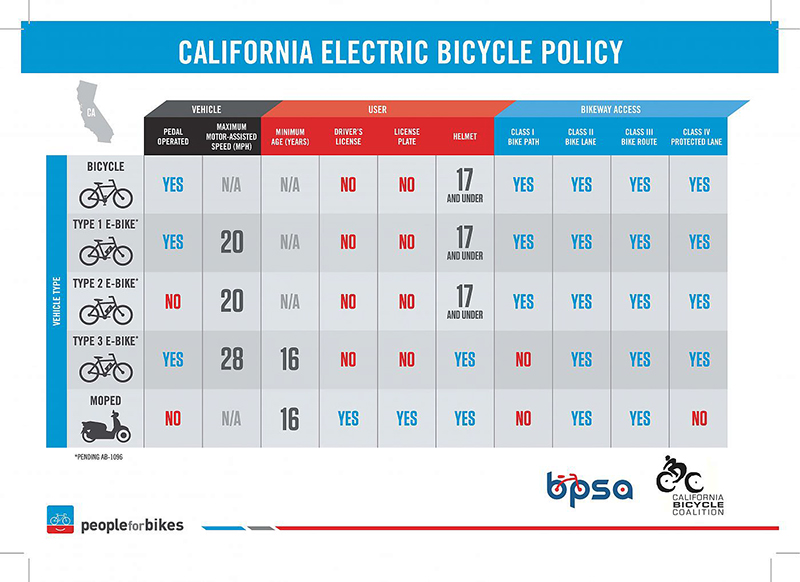
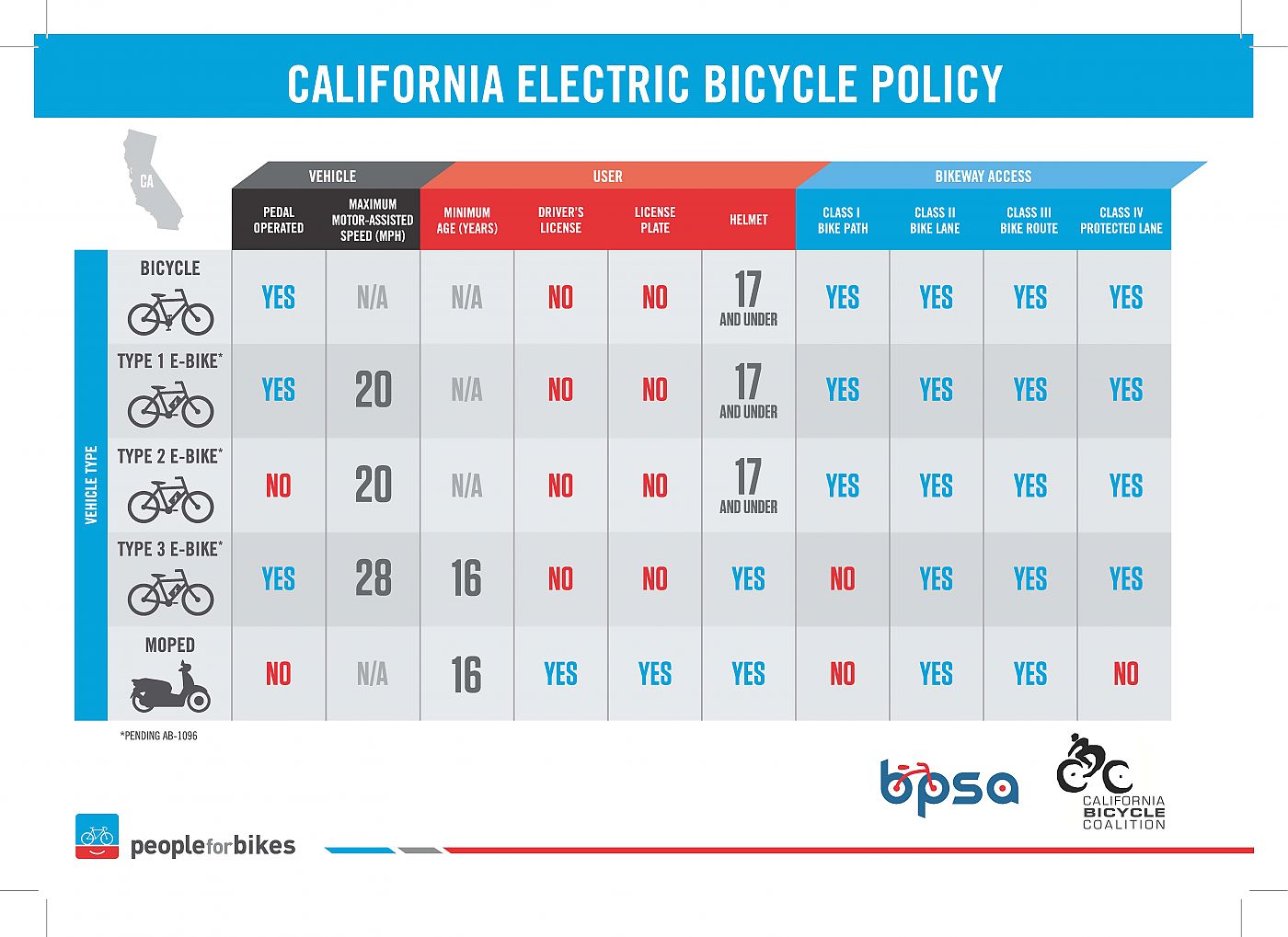
California law recognizes three types of motorized bikes. Type 1 bikes have a motor under 1,000 watts and a top speed of 20 mph. These bikes can be used on most bike paths and roads.
Type 2 bikes also have a motor under 1,000 watts but cannot assist when the rider pedals faster than 20 mph. They are limited to bike paths and trails.
Type 3 bikes have a motor up to 750 watts and can assist up to 28 mph. They are allowed on streets but not on bike paths or trails.
Differences Between Motorized Bikes And Mopeds
Mopeds have larger engines, usually over 50cc, and can reach higher speeds than motorized bikes. They require a driver’s license, registration, and insurance in California.
Motorized bikes often do not need registration or a license if they meet power and speed limits. They are treated more like bicycles under the law.
Mopeds can be used on most roads, while motorized bikes face restrictions based on their type. Understanding these differences keeps riders safe and legal.

Credit: www.bikeberry.com
Licensing And Registration Requirements
Understanding licensing and registration rules is key for motorized bike riders in California. These rules keep riders safe and ensure the law is followed. Knowing what type of license you need and how to register your bike helps avoid fines or trouble with the law.
Driver’s License Criteria
California requires a valid driver’s license to operate a motorized bike. A regular Class C license usually suffices. Some bikes with higher speed or power might need a motorcycle license instead. Riders under 18 must have a learner’s permit and wear a helmet. Age limits apply to different license types. The Department of Motor Vehicles (DMV) checks your eligibility before issuing any license.
Vehicle Registration Process
Motorized bikes must be registered with the DMV. Registration shows the bike is legal to use on public roads. The process involves submitting an application form, proof of ownership, and paying a fee. You may also need to provide a certificate of compliance with safety standards. After approval, you receive a registration card and license plate. Renew registration every year to stay compliant with the law.
Safety Equipment And Helmet Laws
Riding motorized bikes in California requires following specific safety rules. These rules help protect riders and reduce injuries during accidents. Understanding what safety gear to wear is very important. The state sets clear laws on helmets and other protective equipment. These laws keep riders safer on busy streets and highways.
Mandatory Protective Gear
California law requires motorized bike riders to wear certain protective gear. Riders must wear shoes that fully cover their feet. Gloves are highly recommended to protect hands from scrapes. Bright or reflective clothing helps others see the rider better. Protective eyewear is suggested to guard against dust and bugs. These items improve rider safety and comfort while riding.
Helmet Regulations For Riders
Wearing a helmet is a must for all motorized bike riders in California. The helmet must meet the state safety standards. It should fit snugly and fasten securely under the chin. Children under 18 must wear helmets without exception. Adults riding motorized bikes also face fines if they do not wear helmets. The law aims to reduce head injuries during crashes. A proper helmet can save lives and prevent serious harm.
Credit: currentebikes.com
Where You Can Ride Motorized Bikes
Knowing where you can ride motorized bikes in California is important. The state has specific rules about where these bikes are allowed. Following these rules keeps riders safe and avoids fines.
Allowed Roadways And Paths
Motorized bikes can be ridden on many city streets and roads. They are usually allowed on roads with speed limits of 35 mph or less. Some bike lanes and paths also permit motorized bikes. These areas offer a safer place to ride away from faster vehicles.
Riders must obey traffic signs and signals like other vehicles. Using sidewalks or pedestrian paths is often not allowed unless a sign says otherwise. Always check local rules to know where riding is legal.
Restrictions On Bike Usage Areas
Motorized bikes are not allowed on highways or freeways. These roads are too fast and dangerous for motorized bikes. Riding on private property without permission can also lead to trouble.
Some parks and trails restrict motorized bike use to protect nature and pedestrians. School zones and busy pedestrian areas usually have extra rules. Riders should avoid these places or use alternative routes to stay safe and legal.
Credit: www.electriccyclery.com
Frequently Asked Questions
What Defines A Motorized Bike Under California Law?
A motorized bike in California has a motor under 2 horsepower. It must have pedals and a top speed under 30 mph. These rules separate it from motorcycles and scooters.
Do I Need A License To Ride A Motorized Bike?
You do not need a motorcycle license for a motorized bike. A regular driver’s license or learner’s permit is enough. But you must follow all traffic laws.
Are Helmets Required For Motorized Bike Riders?
Yes, California law requires all motorized bike riders to wear helmets. This rule applies to both drivers and passengers. Safety first on every ride.
Can Motorized Bikes Be Used On All California Roads?
Motorized bikes can be used on most public roads. But they are not allowed on freeways or highways. Always check local rules before riding.
Conclusion
Knowing California’s motorized bike laws helps you stay safe and legal. Always follow speed limits and helmet rules. Register your bike if the law requires it. Respect traffic signs and signals on the road. These simple steps protect you and others around you.
Riding responsibly keeps the streets safer for everyone. Stay informed and enjoy your motorized bike with confidence.

Ismail Hossain is the founder of Law Advised. He is an Divorce, Separation, marriage lawyer. Follow him.