Navigating The Court System A Private Investigators Guide: Essential Tips
If you’re a private investigator, understanding how to navigate the court system is key to winning your cases. The court process can seem confusing and overwhelming, but knowing exactly what to expect gives you a clear advantage.
This guide breaks down the steps you need to take, the rules you must follow, and how to present your findings effectively. By the end, you’ll feel confident handling court procedures and making your investigations count where it matters most.
Ready to master the court system and boost your success? Keep reading.
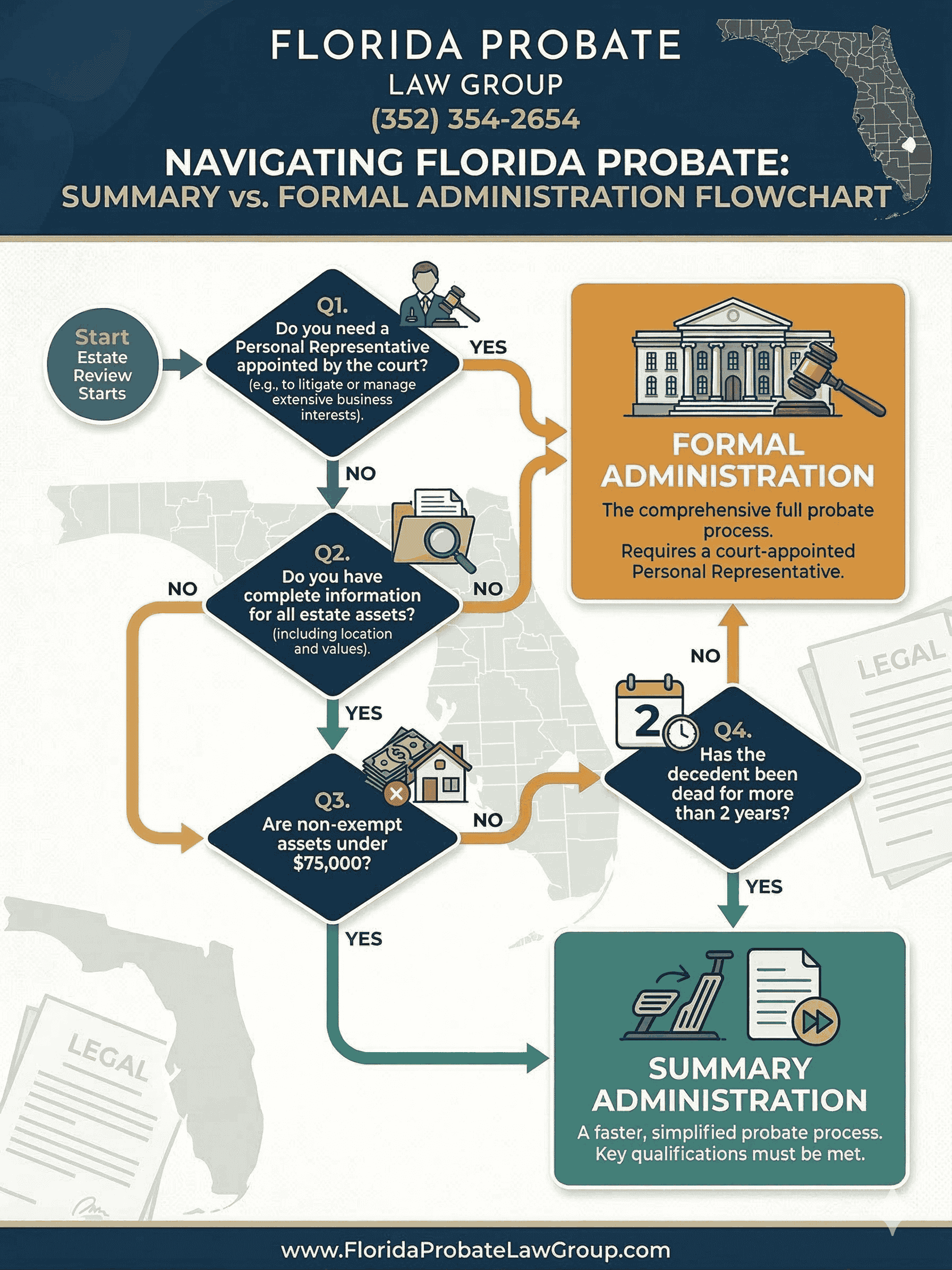
Credit: www.floridaprobatelawgroup.com
Court System Basics
Understanding the court system is important for private investigators. It helps gather evidence and prepare for cases. Knowing how courts work makes investigations smoother and more effective.
Types Of Courts
Court systems include different types of courts. Criminal courts handle crimes and punishments. Civil courts deal with disputes between people or groups. Family courts manage cases like divorce or child custody. Each court has its own rules and roles.
Key Legal Terms
Legal terms can be confusing but are important. “Plaintiff” means the person who starts a case. “Defendant” is the person accused or sued. “Subpoena” is a court order to appear or give evidence. “Verdict” is the final decision by the judge or jury.
Court Procedures
Court procedures follow clear steps. Cases start with filing papers called pleadings. Evidence is presented during hearings or trials. Witnesses may be called to testify. Judges or juries review facts and make decisions. Knowing these steps helps private investigators plan their work.
Preparing For Court
Preparing for court is a key part of a private investigator’s job. It requires careful work and clear focus. The goal is to present facts clearly and support the legal team. Preparation helps avoid mistakes and builds strong cases.
Gathering Evidence
Collect all relevant evidence early. This includes photos, documents, and witness statements. Check each piece for accuracy and reliability. Keep digital files backed up and secure. Evidence must be easy to find during court.
Organizing Case Files
Arrange files by date and topic. Use labels and folders for quick access. Summarize key points in notes. A well-organized file saves time and reduces stress. It shows professionalism and helps explain the case clearly.
Coordinating With Legal Teams
Stay in close contact with lawyers. Share updates and new evidence quickly. Ask questions to understand legal needs better. Attend meetings and court preparations. Teamwork improves case strength and court readiness.
Effective Testimony
Effective testimony is a key skill for private investigators in court. It helps judges and juries understand the facts clearly. Clear and honest testimony builds trust and supports the case. Private investigators must prepare well to present their findings confidently. Staying calm and professional also makes a strong impression. This section covers how to give effective testimony in court.
Presenting Findings Clearly
Speak slowly and use simple words. Avoid technical jargon or complicated terms. Organize your facts in a logical order. Use short sentences to explain your findings. Show evidence clearly and point out key details. Make sure everyone understands your story. Practice your explanation before the court date.
Handling Cross-examination
Listen carefully to each question. Take a moment before you answer. Be honest and direct with your responses. Do not guess or provide extra information. Stay calm, even if questions seem tough. Answer only what is asked. Keep your focus on the facts.
Maintaining Professionalism
Dress neatly and act respectfully at all times. Speak politely to lawyers, judges, and others. Avoid showing anger or frustration. Keep your body language calm and open. Show confidence without arrogance. Remember, your role is to share the truth clearly.
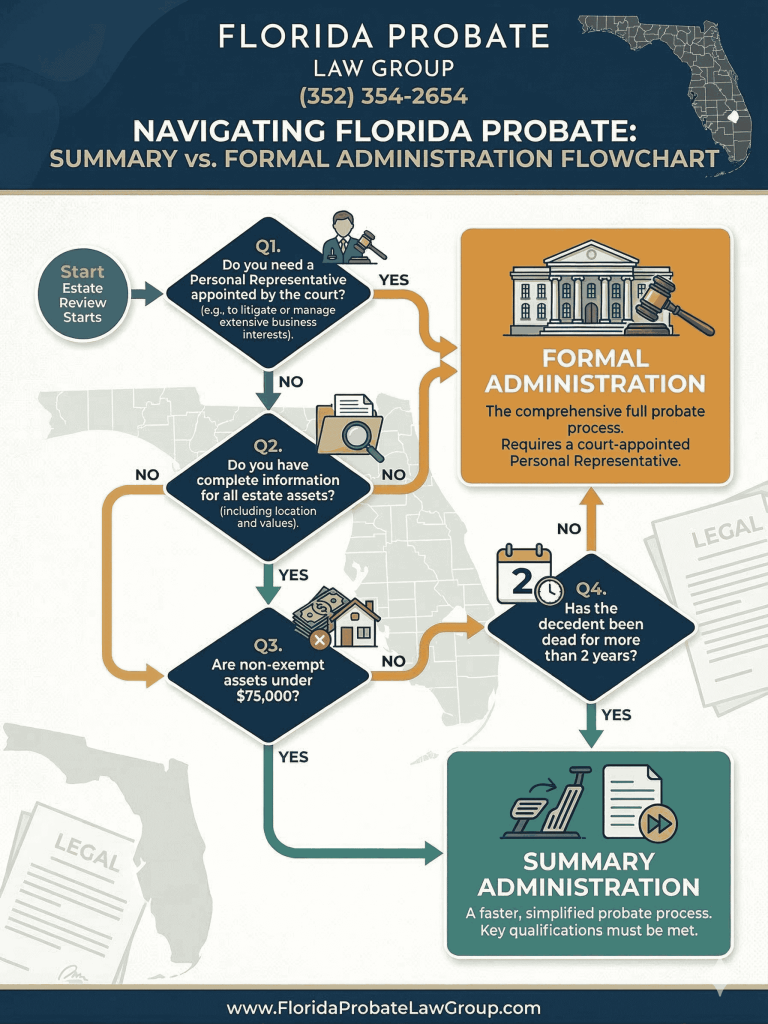
Credit: www.floridaprobatelawgroup.com
Avoiding Common Pitfalls
Navigating the court system as a private investigator involves many challenges. Avoiding common pitfalls can save time and protect your reputation. Understanding key areas helps you stay on track and deliver results.
Legal Compliance
Following the law is critical for every investigator. Ignoring legal rules can lead to evidence being rejected or worse. Know the laws about surveillance, recording, and evidence collection. Always get proper permissions before gathering information. Stay updated with changes in laws to avoid mistakes.
Confidentiality Issues
Protecting client information is essential. Leaking details can harm your client and damage trust. Use secure methods to store and share data. Be careful when discussing cases, even in private. Respect privacy rules and keep all information confidential.
Managing Court Deadlines
Missing deadlines can delay cases or cause evidence to be dismissed. Track all court dates carefully. Use calendars and reminders to stay organized. Prepare reports and evidence early to avoid last-minute problems. Timely submissions show professionalism and reliability.

Credit: www.amazon.com
Frequently Asked Questions
What Is The Role Of A Private Investigator In Court Cases?
Private investigators gather facts and evidence for legal cases. They help lawyers prepare by finding key information. Their work supports both civil and criminal court matters.
How Do Private Investigators Access Court Records?
They use public databases and court offices to find records. Some records are online, while others need in-person requests. Access depends on the case type and court rules.
Why Is Understanding Court Procedures Important For Investigators?
Knowing court steps helps investigators collect useful evidence on time. It avoids delays and strengthens the case presentation. It also guides their actions during legal processes.
Can Private Investigators Attend Court Hearings?
Yes, investigators often attend hearings to observe or gather evidence. They take notes and report details to their clients. Their presence can help clarify facts during trials.
How Do Investigators Prepare Reports For Court Use?
They write clear, factual reports based on evidence found. Reports must be easy to read and free of opinions. Proper formatting helps lawyers present findings in court.
What Challenges Do Investigators Face In Court Navigation?
Complex rules and paperwork can confuse investigators new to courts. Time limits and privacy laws add to the difficulty. Experience and training help overcome these hurdles.
Conclusion
Navigating the court system takes patience and clear steps. Private investigators must know how courts work and what to expect. Keeping good records helps avoid confusion during cases. Always follow the rules to protect your findings. Being prepared saves time and reduces stress.
Understanding court terms and processes improves your work. Stay focused and organized throughout every stage. This knowledge makes investigations smoother and more effective. Remember, success depends on careful attention and smart actions.

Ismail Hossain is the founder of Law Advised. He is an Divorce, Separation, marriage lawyer. Follow him.