Pitbull Laws in Denver Colorado: What Every Owner Must Know
If you own a pitbull or are thinking about getting one in Denver, Colorado, you need to know the laws that affect you. Pitbull laws in Denver can impact where you live, how you care for your dog, and even your daily routine.
Understanding these rules is not just important—it can save you from costly fines or legal trouble. You’ll get clear, simple answers about what the law means for you and your pitbull. Keep reading to protect your pet and yourself.

Credit: www.nytimes.com
Denver Pitbull Regulations
Denver has specific laws about owning pitbulls. These rules help keep people and dogs safe. They also guide owners on how to care for their pets.
Understanding these regulations is important for any pitbull owner in Denver. It helps avoid fines and legal trouble. It also promotes responsible dog ownership.
Breed-specific Restrictions
Denver does not ban pitbulls outright. But some rules apply only to this breed. Owners must follow special guidelines set by the city.
Leash And Muzzle Requirements
Pitbulls must be leashed in public places. A strong leash no longer than six feet is required. Some situations need the dog to wear a muzzle.
Licensing And Registration
All pitbulls must be licensed with the city. Registration helps track the dog’s information. It also shows proof of vaccinations.
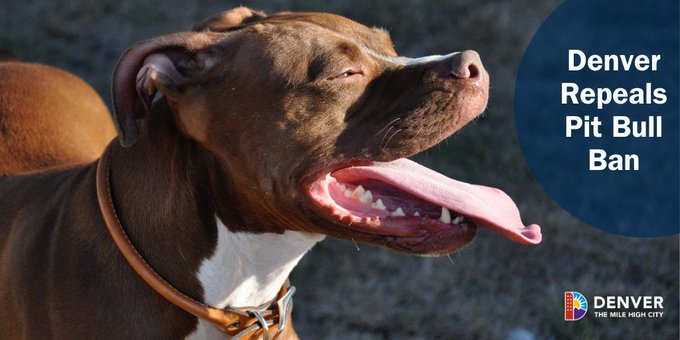
Breaking pitbull laws can lead to fines. Repeat offenses may bring harsher penalties. Owners risk losing their dog if rules are ignored.
Credit: www.myarklamiss.com
Breed-specific Legislation
Denver enforces breed-specific laws targeting pitbulls to ensure public safety. Owners must follow strict rules and registration requirements. These laws aim to reduce dog attacks and protect the community.
What Is Breed-specific Legislation?
Breed-Specific Legislation (BSL) are laws that control certain dog breeds. These laws often target breeds seen as dangerous. Pitbulls are one of the most affected breeds in many areas. The goal of BSL is to reduce dog attacks and protect the public.
These laws can include bans, restrictions, or special rules. Some places may require muzzles or leash rules for certain dogs. Others may ban ownership entirely. The rules differ depending on the city or state.
Breed-specific Laws In Denver
Denver, Colorado, has specific rules about pitbulls. The city classifies pitbulls as a restricted breed. Owners must follow special regulations to keep their dogs. These include licensing, muzzling in public, and secure containment at home.
Denver’s BSL aims to prevent attacks and keep neighborhoods safe. The laws also help officials identify and manage dangerous dogs. Owners who break the rules may face fines or dog removal.
Impact On Pitbull Owners
BSL affects how pitbull owners live with their dogs. They must invest time and money to meet legal demands. This includes buying proper equipment and updating licenses. Owners may feel stressed or limited by the laws.
Some pitbull owners disagree with BSL, saying it is unfair. They argue that behavior depends on training, not breed. The debate over breed-specific laws continues in Denver and beyond.
Licensing And Registration Rules
Denver has clear rules for licensing and registering pitbulls. These rules help keep the community safe and ensure owners follow the law. Understanding these requirements is important for every pitbull owner in Denver.
Licensing and registration involve more than just filling out forms. They create a record of your dog with city officials. This record helps track your pitbull and confirms you are a responsible owner.
License Application Process
To license a pitbull in Denver, owners must submit an application. This includes providing proof of rabies vaccination. The city also requires detailed information about the dog and the owner.
Applications can be completed online or at the Denver Animal Shelter. Fees apply and vary depending on the dog’s age and spay/neuter status. Renewals are required yearly to keep the license current.
Registration Requirements
Registration requires identifying the dog as a pitbull. This classification is based on the dog’s appearance and breed traits. The city may request photos or a professional evaluation.
Registered pitbulls must wear a special tag at all times. This tag shows the dog is licensed and registered with Denver. It helps officers quickly identify dogs that meet city rules.
Consequences Of Non-compliance
Failing to license or register a pitbull can lead to fines. The city can also seize unregistered dogs. These actions protect the public and encourage compliance with the law.
Owners who do not follow these rules risk losing their pets. It is important to keep all licenses and registrations up to date. This avoids legal trouble and keeps your dog safe.
Owner Responsibilities And Restrictions
Owning a pitbull in Denver comes with specific duties. These rules help protect both the dog and the public. Owners must follow strict guidelines to keep their pets safe and responsible.
Leash And Muzzle Requirements
Denver law requires pitbulls to be on a leash at all times in public. The leash must not be longer than six feet. Owners must also use a muzzle during walks to prevent bites.
Secure Fencing And Containment
Owners must keep pitbulls in a securely fenced area. The fence should be high and strong to prevent escape. Gates must be locked to stop the dog from running away.
Liability For Damages
Owners are responsible for any harm their pitbull causes. This includes injuries or property damage. Insurance may be required to cover potential costs.
Registration And Identification
Denver requires pitbulls to be registered with the city. Owners must update this information yearly. Dogs should wear ID tags with owner contact details.
Spaying And Neutering Policies
Some pitbull owners must spay or neuter their dogs. This helps control the dog population and reduce aggression risks. Proof may be needed during registration.
Penalties For Violations
Violating Denver’s pitbull laws can lead to serious consequences. The city enforces strict penalties to control the risks associated with these dogs. Understanding these penalties helps dog owners avoid trouble and keep their pets safe.
Penalties vary depending on the nature and severity of the violation. They can include fines, restrictions, or even removal of the dog. The goal is to protect the public while ensuring responsible pet ownership.
Fines For Non-compliance
Denver imposes fines on owners who break pitbull regulations. These fines can start from a few hundred dollars. Repeat offenses result in higher fines. Timely payment is crucial to avoid further legal issues.
Mandatory Dog Registration
Owners must register their pitbulls with the city. Failure to register can lead to penalties. Registration helps track the dog and ensures accountability. It is a key part of Denver’s safety plan.
Dangerous Dog Designation
A pitbull involved in attacks may receive a dangerous dog label. This brings strict rules for the owner. The dog may need to wear a muzzle in public. Keeping the dog confined is often required.
Animal Control Actions
Animal control can intervene if laws are ignored. They may seize the dog for public safety. Owners risk losing custody of their pet. Compliance with all rules helps prevent these actions.

Credit: rothgrouplaw.com
Resources For Pitbull Owners
Owning a Pitbull in Denver comes with specific rules and responsibilities. Resources help owners follow local laws and care for their dogs properly. They offer guidance on training, safety, and legal needs.
Access to the right information makes owning a Pitbull easier and safer. It also helps build a positive community around these dogs.
Denver Animal Shelter And Services
The Denver Animal Shelter provides support for dog owners. They offer training classes, vaccinations, and licensing services. This ensures your Pitbull meets city requirements. Their staff can answer questions about local Pitbull laws.
Local Pitbull Training Programs
Training programs focus on obedience and social skills. They teach owners how to handle their dogs safely. These classes reduce chances of aggressive behavior. Consistent training is key to responsible Pitbull ownership.
Legal Advice And Support
Legal resources help owners understand Denver’s Pitbull laws. Some organizations offer free or low-cost advice. Knowing your rights and responsibilities avoids penalties. This support also guides owners through any legal issues.
Community Groups And Forums
Community groups connect Pitbull owners in Denver. Members share tips on care, training, and local events. These forums provide emotional support and advice. Being part of a group strengthens responsible ownership.
Frequently Asked Questions
What Are The Main Pitbull Laws In Denver, Colorado?
Denver bans owning, breeding, or selling Pitbulls within city limits. Violations can lead to fines or pet removal. This law aims to protect residents and pets.
Can I Legally Own A Pitbull In Denver?
No, Denver city law prohibits owning Pitbulls. This includes dogs that look like Pitbulls. Owners must remove or rehome these dogs.
Are There Exceptions For Pitbull Ownership In Denver?
No exceptions exist for owning Pitbulls under Denver law. All breeds defined as Pitbulls are banned equally. This includes adoption, purchase, and transfer.
What Happens If I Break Pitbull Laws In Denver?
Breaking these laws can result in fines, dog confiscation, or court action. Owners may lose their dogs permanently. It is important to follow local rules.
How Can I Check If My Dog Is A Pitbull Under Denver Law?
Denver uses specific breed characteristics to identify Pitbulls. If unsure, a vet or animal control can help. Proper identification prevents legal trouble.
Conclusion
Denver’s pitbull laws aim to keep everyone safe. Owners must follow strict rules to avoid problems. Knowing these laws helps you protect your dog and neighbors. Stay informed to enjoy life with your pitbull in Denver. Safety and responsibility go hand in hand.
Keep your pet happy and your community peaceful. Simple steps can make a big difference. Respect the laws, and everyone wins.

Ismail Hossain is the founder of Law Advised. He is an Divorce, Separation, marriage lawyer. Follow him.