Security Deposit Laws in Minnesota: Essential Tenant Rights Explained
Are you renting an apartment or planning to move in Minnesota? Understanding security deposit laws can save you from unexpected headaches and protect your hard-earned money.
Knowing exactly what your landlord can and cannot do with your deposit is key to avoiding disputes and ensuring a smooth rental experience. You’ll discover the essential facts about Minnesota’s security deposit rules, so you can confidently handle your rental agreement and keep your rights intact.
Keep reading to learn how to make the most of your security deposit and avoid common pitfalls.
Credit: www.gowhale.com
Minnesota Security Deposit Limits
Minnesota sets clear limits on security deposits. These rules protect renters and landlords. Knowing these limits helps avoid disputes and surprises. The law states how much a landlord can ask before moving in. It also covers special cases where rules differ. This section explains those limits clearly.
Maximum Amount Allowed
In Minnesota, the maximum security deposit is usually one month’s rent. This means landlords cannot ask for more than that. It applies to most rental agreements, including apartments and houses. The law ensures tenants are not overcharged before moving in.
Landlords must return the deposit within three weeks after the tenant leaves. They can only keep money for damages or unpaid rent. This rule protects tenants from unfair withholding of their deposit.
Exceptions And Special Cases
Some situations have different deposit rules. For example, if rent is over $1,000, landlords may ask for a higher deposit. They can charge up to one and a half times the rent in those cases.
Another exception applies to furnished rentals. Landlords may ask for extra money to cover furniture damage. This is in addition to the regular security deposit.
In some cases, landlords may require a pet deposit. This deposit is separate and covers pet-related damages. The law limits how much can be charged for these deposits as well.
Tenant Responsibilities And Landlord Duties
Understanding tenant responsibilities and landlord duties is key in Minnesota’s security deposit laws. Both parties have clear roles. These roles protect their rights and keep the rental process smooth.
Tenants must care for the property and follow lease rules. Landlords handle the deposit properly and maintain the home. Knowing these duties helps avoid disputes.
Deposit Collection And Receipts
Landlords must collect the security deposit in a lawful way. They cannot demand more than the allowed amount. After receiving the deposit, landlords must give tenants a written receipt. This receipt proves the deposit’s payment and amount. It protects both tenant and landlord in case of disagreements.
Maintenance And Repairs
Tenants should keep the rental clean and safe. They must report damage or needed repairs quickly. Landlords have a duty to fix problems that affect health or safety. Repairs must happen in a reasonable time. Proper maintenance keeps the property livable and protects the deposit.
Inspection Requirements
Landlords often inspect the property before and after tenancy. They must notify tenants about inspections in advance. Tenants should attend these inspections if possible. This helps agree on the property’s condition. Documenting damage or wear prevents deposit disputes later.
Deposit Return And Dispute Resolution
Understanding how security deposits get returned is important for both tenants and landlords. This section explains the rules in Minnesota about the deposit return and how to settle any disputes. Knowing these details helps avoid confusion and protects everyone’s rights.
Timeframe For Return
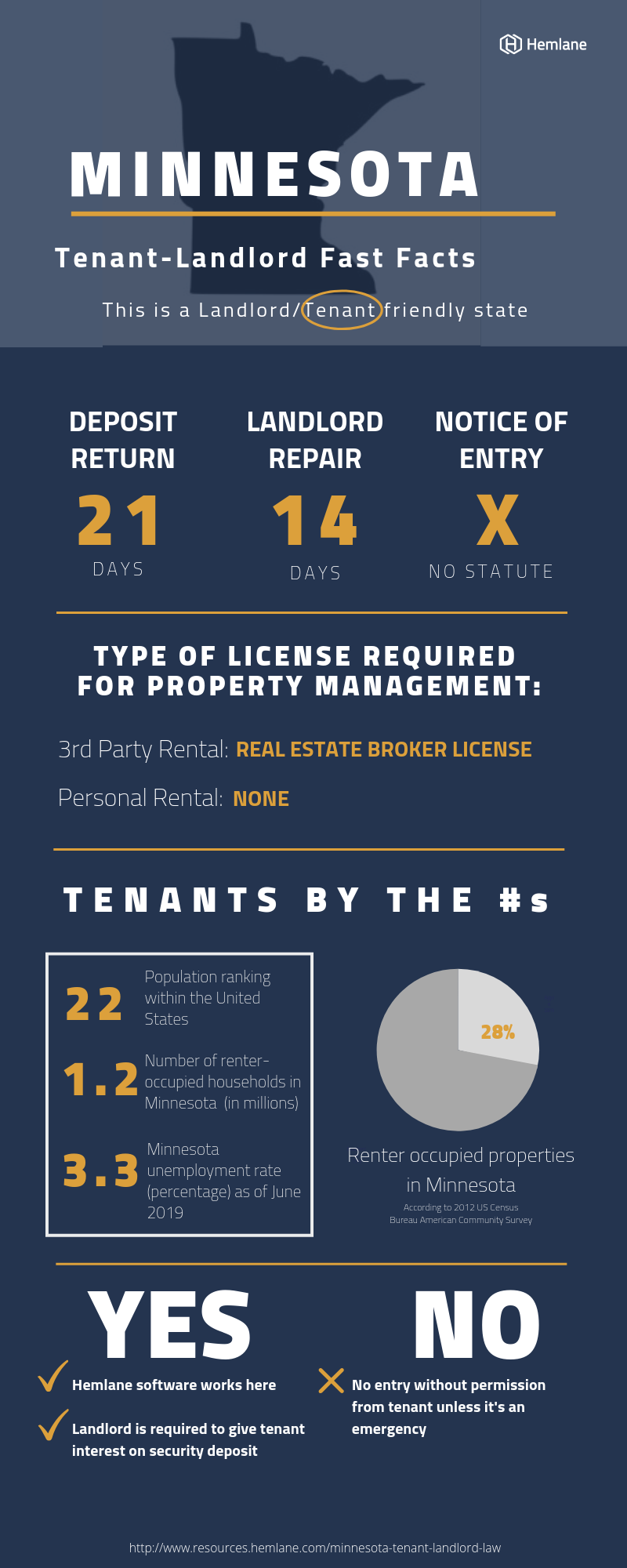
Landlords must return the security deposit within 21 days after the tenant moves out. This deadline is strict. The clock starts on the day the rental property is empty. If the landlord keeps the deposit longer, they may face penalties.
Deductions And Itemized Statements
Landlords can deduct money for unpaid rent or damages beyond normal wear and tear. They must send an itemized statement with the deposit return. This statement lists each deduction and the cost. Tenants should review it carefully. If deductions seem unfair, tenants can ask for more information.
Handling Disagreements
If landlords and tenants disagree about the deposit, they should try to talk first. Clear communication can solve many issues. If this fails, Minnesota law allows tenants to file a claim in small claims court. Both sides should keep records of all communications and receipts. This helps support their case in court.

Credit: www.payrent.com
Credit: www.hemlane.com
Frequently Asked Questions
What Is The Maximum Security Deposit Allowed In Minnesota?
Minnesota law limits security deposits to one month’s rent. This applies to most residential leases. Landlords cannot ask for more than this amount upfront.
How Long Can Landlords Keep A Security Deposit In Minnesota?
Landlords must return the deposit within 21 days after the tenant moves out. They can keep part of it to cover damages. Any leftover amount must be paid back to the tenant.
Can Landlords Charge For Normal Wear And Tear On Security Deposits?
No. Landlords cannot deduct for normal wear and tear. Only damages beyond normal use can reduce the deposit. Examples include broken windows or holes in the walls.
What Must Landlords Provide When Keeping Part Of A Security Deposit?
Landlords must give a written list of damages and repair costs. This must be sent within 21 days after the tenant moves out. It helps tenants understand any deductions made.
Conclusion
Understanding Minnesota’s security deposit laws helps renters and landlords. It protects your money and rights. Know the limits on deposit amounts and how landlords must handle them. Remember, landlords must return deposits on time or explain deductions. Clear communication prevents disputes and keeps renting smooth.
Stay informed to avoid surprises and protect your interests. Simple rules make renting fair and safe for everyone.

Ismail Hossain is the founder of Law Advised. He is an Divorce, Separation, marriage lawyer. Follow him.