Short Barrel Rifle Laws in Texas: Essential Guide for Owners
If you own a firearm or are thinking about getting a short barrel rifle in Texas, you need to know the laws that affect you. Understanding these rules isn’t just about staying legal—it’s about protecting your rights and making smart choices.
Whether you’re curious about what’s allowed, how to stay compliant, or what risks you might face, this guide will give you clear answers. Keep reading to get the facts you need so you can handle your short barrel rifle with confidence and peace of mind.

Credit: www.youtube.com
Texas Short Barrel Rifle Regulations
Texas has specific laws about short barrel rifles. These rules affect who can own and use them. Knowing these laws helps you stay safe and legal. The regulations cover how the rifle is defined and what you must do to register it. It also explains how state rules work with federal laws.
State Vs Federal Laws
Federal law controls short barrel rifles under the National Firearms Act. Texas follows these federal rules but adds its own. The state does not ban short barrel rifles but requires owners to follow federal guidelines. You must obey both sets of laws to avoid trouble. Texas law cannot override federal restrictions.
Definition Of Short Barrel Rifle
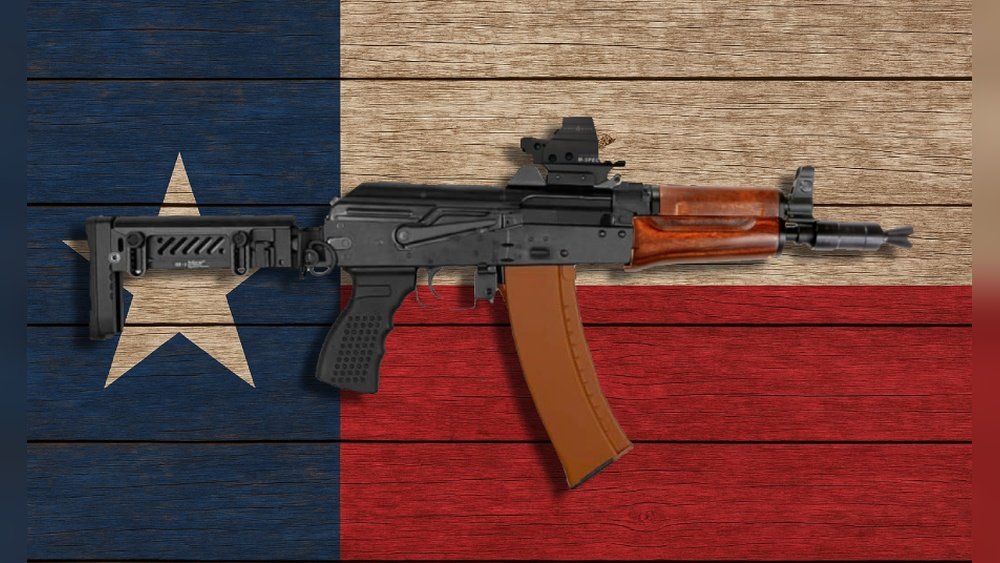
A short barrel rifle is a rifle with a barrel shorter than 16 inches. It also includes rifles with an overall length less than 26 inches. This definition is the same in Texas and under federal law. If your rifle fits these measurements, it is a short barrel rifle. Knowing this helps you understand which laws apply.
Registration Requirements
Federal law requires you to register a short barrel rifle with the Bureau of Alcohol, Tobacco, Firearms and Explosives (ATF). Texas does not require separate state registration. Registration includes paying a tax and getting approval from the ATF. Carrying or transferring an unregistered short barrel rifle can lead to serious penalties.

Credit: www.youtube.com
Ownership Eligibility And Restrictions
Owning a short barrel rifle (SBR) in Texas requires following specific rules. These rules help keep firearms in safe hands. Knowing who can own an SBR and the restrictions is important for every gun owner.
Who Can Own A Short Barrel Rifle
Only certain people can legally own an SBR in Texas. The owner must follow federal and state laws. The rifle must be registered with the Bureau of Alcohol, Tobacco, Firearms and Explosives (ATF). Ownership requires approval through the National Firearms Act (NFA) process.
Private citizens who complete the NFA process may own an SBR. Law enforcement officers may have special rules. Ownership must always comply with both Texas and federal laws.
Prohibited Persons
Some people cannot own an SBR. Those convicted of serious crimes or felonies are banned. People with restraining orders or certain mental health issues are also prohibited. Anyone under federal or state restrictions cannot legally possess an SBR.
Background checks help identify prohibited persons. These laws aim to prevent dangerous individuals from owning weapons.
Age And Residency Rules
Buyers must be at least 21 years old to own an SBR. This is a federal rule that applies in Texas. Residents must provide proof of Texas residency during the purchase. Non-residents face stricter rules and may need extra paperwork.
Age and residency rules ensure responsible ownership. Following these laws helps maintain public safety.
Legal Use And Transportation
Understanding the legal use and transportation of short barrel rifles in Texas is essential. These laws protect owners and ensure safety. Knowing the rules helps avoid penalties and legal trouble. This section covers key points on carrying, transporting, and storing these firearms.
Carrying And Concealment
Texas law allows carrying a short barrel rifle with proper permits. Concealed carry rules apply differently than for handguns. You must have a federal license under the National Firearms Act (NFA). Concealing a short barrel rifle without this license is illegal. Always keep the rifle in plain sight or follow state rules for open carry.
Transporting Across State Lines
Traveling with a short barrel rifle requires caution. Federal laws restrict moving these firearms without approval. Obtain a Form 5320.20 from the Bureau of Alcohol, Tobacco, Firearms and Explosives (ATF). This form grants permission for interstate transportation. States differ in their rules. Check laws for every state you pass through to avoid violations.
Storage Guidelines
Proper storage of short barrel rifles is vital for safety. Store firearms unloaded and locked in a secure container. Keep ammunition separate from the rifle. This practice prevents accidents and unauthorized use. Texas does not have specific storage laws for short barrel rifles, but safe storage is highly recommended.
Penalties And Legal Consequences
Texas has strict laws about short barrel rifles. Breaking these rules can lead to serious trouble. Understanding the penalties and legal consequences helps you stay safe and lawful. The state treats violations with heavy penalties. These affect not just your freedom but also your right to own guns.
Fines And Criminal Charges
Possessing a short barrel rifle illegally can bring big fines. These fines may reach thousands of dollars. Criminal charges can be felony or misdemeanor. Felony charges can lead to jail time. Jail sentences might last several years. Police take these cases seriously. Conviction stays on your record for years.
Impact On Gun Rights
Convictions affect your right to own guns. You may lose your gun ownership privileges. The state can revoke your firearm license. Getting your rights back is difficult. It may require legal help and time. Avoiding violations keeps your rights intact.
How To Avoid Violations
Know the Texas laws about short barrel rifles. Always check the barrel length before buying or carrying. Get legal advice if unsure about your rifle. Register your rifle if the law requires. Keep all paperwork and permits updated. Following these steps reduces risk of penalties.

Credit: cbsaustin.com
Frequently Asked Questions
What Defines A Short Barrel Rifle In Texas Law?
A short barrel rifle has a barrel length under 16 inches. Texas follows federal rules but has specific state guidelines. Knowing this helps you stay legal with your firearm.
Do I Need A Special Permit For Short Barrel Rifles In Texas?
Yes, you must have a federal tax stamp for short barrel rifles. Texas requires compliance with the National Firearms Act (NFA). Without the stamp, possession is illegal.
Can I Carry A Short Barrel Rifle Openly In Texas?
No, open carry of short barrel rifles is not allowed. Texas law limits how and where you can carry these firearms. Concealed carry rules also apply differently.
What Are The Penalties For Illegal Short Barrel Rifle Possession In Texas?
Penalties can include fines and jail time. Texas treats illegal possession seriously under both state and federal law. Always ensure you follow all legal requirements.
Conclusion
Texas law on short barrel rifles is clear but detailed. Knowing the rules helps avoid legal trouble. Always check the latest laws before buying or carrying. Stay informed about federal and state regulations. Safety and responsibility are key when handling firearms.
Following the law protects you and others. Stay smart, stay safe, and respect the rules.

Ismail Hossain is the founder of Law Advised. He is an Divorce, Separation, marriage lawyer. Follow him.