Vehicle Registration Laws in Texas: Essential Guide for Drivers
If you drive in Texas, understanding the vehicle registration laws is essential to keep your car legal and avoid fines. You might wonder how long you can drive without registering your vehicle or what new ID rules you need to follow when renewing.
Whether you live in Austin, Dallas, or anywhere else in Texas, knowing the steps for registration, inspections, and documentation can save you time and stress. This guide will walk you through everything you need to know about Texas vehicle registration laws, so you stay informed and on the road without any surprises.
Keep reading to learn the must-know rules that affect you and your vehicle.
Registration Requirements
Registering a vehicle in Texas requires meeting specific rules set by the state. These rules ensure every vehicle on the road is safe, insured, and legally documented. To complete registration, drivers must provide certain documents and pass inspections. Understanding these requirements helps avoid delays and penalties.
Approved Identification
The Texas Department of Motor Vehicles requires valid ID for all vehicle registrations. Acceptable IDs include an unexpired REAL ID driver’s license, a U.S. passport, or legal presence documents. This ID proves your identity and residency in Texas.
For initial registrations, you must show a current photo ID. Renewals also require an unexpired ID. Without proper identification, the registration cannot proceed.
Vehicle Inspection And Emissions
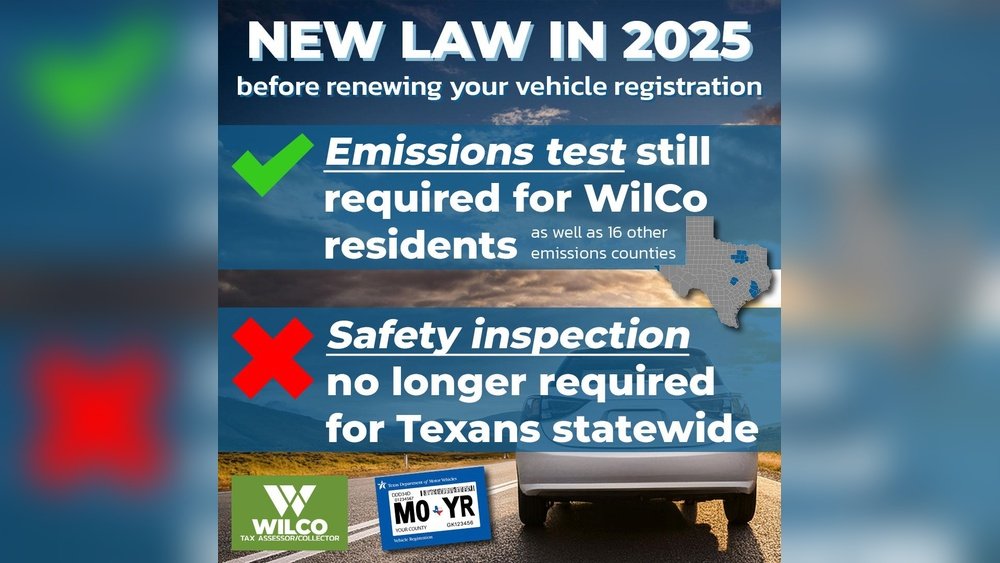
Texas uses a “Two Steps, One Sticker” system for vehicle registration. First, your vehicle must pass a state safety inspection. This inspection checks brakes, lights, tires, and other safety features.
Some counties require an emissions test too. These include major areas like Dallas, Harris, and Travis counties. Passing these inspections is mandatory before you pay for registration.
Proof Of Insurance
Texas law requires all vehicles to have liability insurance before registration. You must provide valid proof of insurance covering the vehicle. The insurance ensures financial protection in case of accidents.
Acceptable proof usually includes an insurance card or policy document. Without proof of insurance, the Texas DMV will not issue a registration sticker.
Credit: www.khou.com
Two Steps, One Sticker System
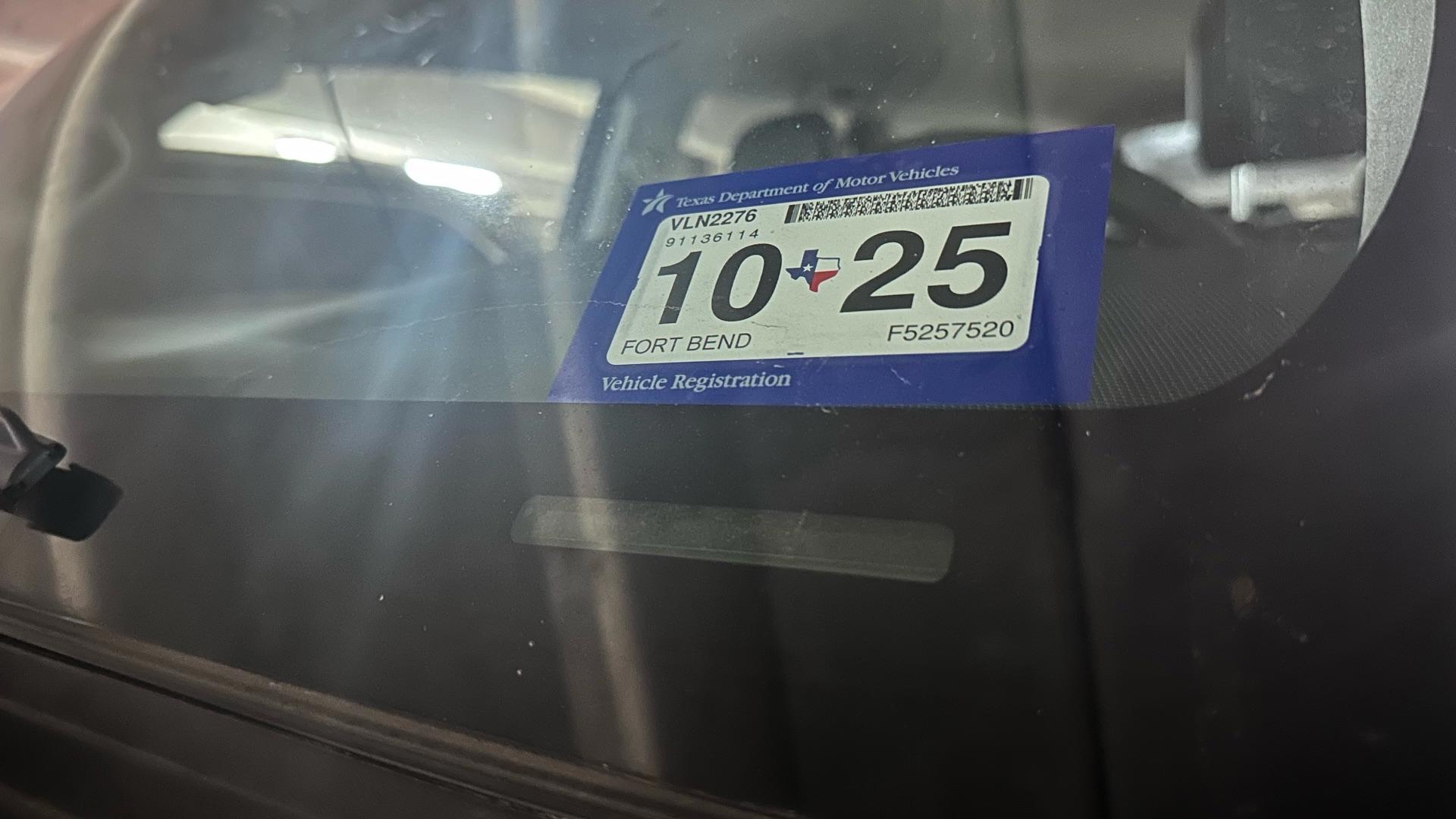
Texas uses a “Two Steps, One Sticker” system for vehicle registration. This means you must complete your vehicle inspection first. Then, you can register your vehicle and receive a single sticker. The sticker shows that your vehicle passed inspection and is legally registered.
This system simplifies the process. It combines inspection and registration into one clear step. It helps keep roads safe by ensuring vehicles meet safety and emissions standards before registration.
Inspection Before Registration
Before you register your vehicle, it must pass a state safety inspection. This inspection checks brakes, lights, tires, and other safety features. The vehicle must be in good condition to pass.
The inspection must be done at an authorized inspection station. You will receive an inspection report after passing. This report is required for registration.
Counties Requiring Emissions Testing
Some Texas counties also require emissions testing. This test checks if your vehicle meets air pollution standards. It is part of the inspection process in these counties.
Counties like Dallas, Harris, Tarrant, and Travis need emissions tests. Vehicles in these areas must pass both safety and emissions inspections before registration.
Registration Process Options
Texas offers several ways to register your vehicle. Choose the option that fits your schedule and needs. Each method requires basic documents like proof of inspection and valid ID. Understanding the choices helps you avoid delays and fines. Here are the main registration process options.
In-person Registration
Visit your local county tax office to register in person. Bring your vehicle inspection report and valid photo ID. Staff will check your documents and take payment. You can ask questions and get help immediately. This option is good for those who prefer direct assistance.
Mail-in Renewal
Mail your renewal notice along with payment to the county tax office. Include all required documents as instructed on the notice. This method saves time by avoiding travel and waiting lines. Make sure to send your renewal early to prevent late fees. Keep a copy of your mailed materials for records.
Online Portal
Use the Texas DMV online portal to renew your registration quickly. Upload your inspection report and ID digitally. Pay fees with a credit or debit card. The system confirms your information instantly. This is the fastest and easiest option for many Texans. Online renewal is available 24/7 for convenience.

Credit: www.texastribune.org
New Id And Legal Status Rules
The state of Texas has updated its vehicle registration laws with new rules on ID and legal status. These changes affect how residents prove their identity and legal presence. The goal is to improve security and ensure only eligible individuals register vehicles.
Understanding the new requirements helps avoid delays and fines during registration. The Texas Department of Motor Vehicles (TxDMV) now enforces stricter guidelines. These rules apply to both new registrations and renewals.
Stricter Photo Id Requirements
Texas requires a valid, unexpired photo ID for all vehicle registrations. Acceptable IDs include a REAL ID driver’s license, Texas driver’s license, or a U.S. passport. Temporary or expired IDs no longer meet the criteria.
Photo IDs must clearly show your name, date of birth, and a current photo. The TxDMV may reject registrations without proper identification. This rule applies equally to first-time registrations and renewals.
Legal Presence Documentation
Proof of legal presence in the United States is mandatory for vehicle registration in Texas. Documents such as a U.S. birth certificate, green card, or visa are required. Non-U.S. citizens must provide valid immigration papers.
These documents must be original or certified copies. Photocopies or unofficial papers are not accepted. The TxDMV reviews all documents carefully to verify eligibility.
Special Vehicle Registration
Special vehicle registration in Texas covers vehicles that do not fit standard passenger car rules. These include heavy vehicles and commercial trucks that require different registration processes. Texas law also has specific rules for vehicles brought in from other states. Understanding these rules helps vehicle owners avoid penalties and ensures legal compliance.
Heavy Vehicles And Commercial Trucks
Heavy vehicles and commercial trucks follow distinct registration rules in Texas. These vehicles often have higher fees due to their size and weight. Registration fees vary by weight class, ranging from light commercial vehicles to large trucks. Owners must provide proof of insurance and a safety inspection certificate. Special permits may be required for oversized or overweight loads. These rules help maintain road safety and infrastructure.
Out-of-state Vehicle Registration
Vehicles brought into Texas from other states must be registered within 30 days. The vehicle must pass a Texas safety inspection before registration. Owners need to provide the out-of-state title, proof of identity, and proof of insurance. Taxes may apply based on the vehicle’s value. Registering promptly avoids fines and penalties. This process ensures all vehicles on Texas roads meet state standards.

Credit: www.reddit.com
Frequently Asked Questions
What Is The New Law For Vehicle Registration In Texas?
Texas law requires passing a safety inspection before vehicle registration. You must show valid, unexpired ID and proof of insurance. Registration and inspection fees apply annually. The “Two Steps, One Sticker” system links inspection and registration processes statewide.
How Long Can You Go Without Car Registration In Texas?
Texas law requires vehicle registration annually without grace periods. Driving an unregistered car can result in fines and penalties. Register your vehicle before the expiration date to avoid legal issues and maintain compliance with state regulations.
How Long Can A Car Be Unregistered Before It Needs A Roadworthy Act?
A car in Texas must pass a roadworthy inspection before registration or renewal. No specific unregistered duration triggers this.
Do You Still Need A Registration Sticker In Texas In 2026?
Yes, Texas still requires a registration sticker in 2026. You must pass inspection before paying registration under the “Two Steps, One Sticker” system.
Conclusion
Understanding Texas vehicle registration laws helps you stay legal and avoid fines. Register your vehicle on time and keep your ID updated. Remember to pass all required inspections before renewal. Visit your local DMV or use online services for convenience.
Staying informed ensures a smooth registration process in Texas. Follow these rules to protect yourself and your vehicle on the road.

Ismail Hossain is the founder of Law Advised. He is an Divorce, Separation, marriage lawyer. Follow him.