Smoke Detector Laws in Massachusetts: Essential Safety Rules Revealed
Are you sure your home is fully protected against fire dangers? Understanding smoke detector laws in Massachusetts is key to keeping you and your loved ones safe.
These laws aren’t just about following rules—they’re about saving lives. You’ll discover exactly what the state requires, how to stay compliant, and why having the right smoke detectors can make all the difference. Don’t wait until it’s too late—read on to make sure your home meets the important safety standards today.
Credit: www.brewster-ma.gov
Massachusetts Smoke Detector Requirements
Massachusetts requires smoke detectors in every home, especially near bedrooms and on each floor. These laws ensure early fire detection to keep families safe. Regular testing and battery replacement are also important parts of the rules.
Massachusetts law sets clear rules for smoke detectors in homes. These rules help keep people safe from fire risks. Every home must have working smoke detectors installed in key areas.
The law applies to all residences, including single-family homes and apartments. Smoke detectors must be installed near bedrooms and on each floor. This ensures early warning in case of fire.
Locations For Smoke Detector Installation
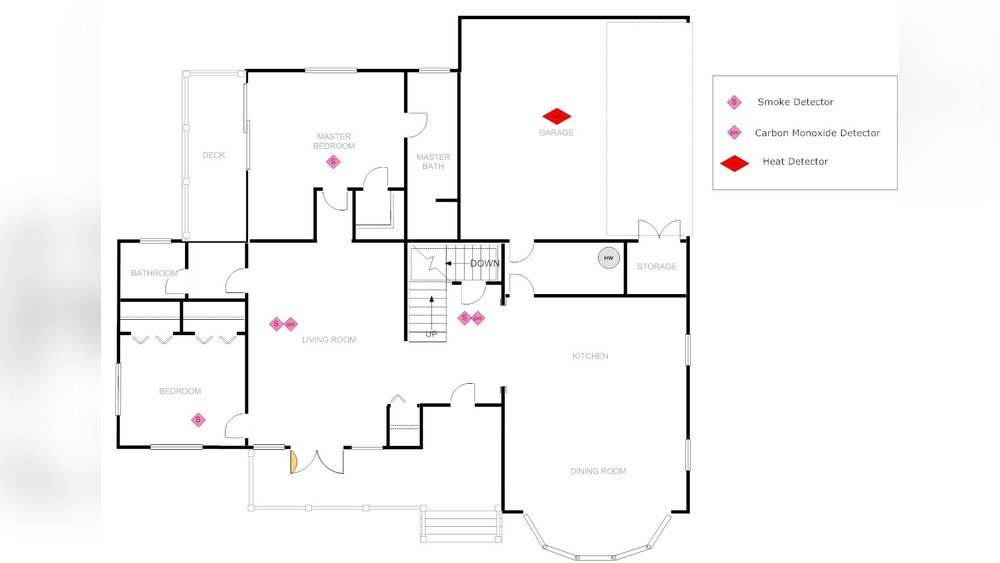
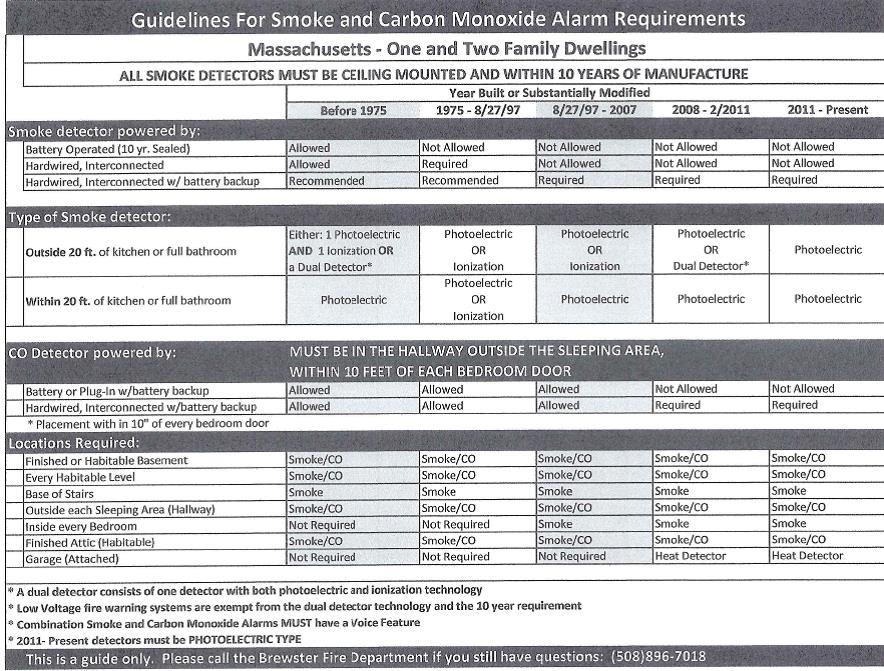
Smoke detectors must be placed outside each sleeping area. At least one detector is required on every level of the home. Basements and finished attics also need detectors.
This placement helps detect smoke quickly, giving people time to escape. Detectors should be on the ceiling or high on walls. Avoid placing them near windows or vents.
Type Of Smoke Detectors Allowed
Massachusetts requires smoke detectors that meet national safety standards. Battery-powered or hardwired detectors are acceptable. Detectors with a sealed, long-life battery are recommended.
Hardwired systems with battery backup offer extra security. All detectors must have a test button for easy checks. Replace detectors every 10 years to ensure proper function.
Homeowners must test smoke detectors monthly. Replace batteries at least once a year or when the alarm chirps. Clean detectors regularly to remove dust and debris.
Regular maintenance prevents false alarms and ensures detectors work well. Tenants should report any problems to landlords promptly. Landlords must keep detectors in good condition.
Credit: merrimackvalleymarealestate.com
Installation Standards For Smoke Alarms
Massachusetts requires smoke alarms in all homes, installed on every floor and near sleeping areas. Alarms must meet state safety standards and be tested regularly. Proper installation helps keep families safe from fire risks.
Types Of Smoke Alarms Approved In Massachusetts
Massachusetts requires specific types of smoke alarms for home safety. Photoelectric alarms detect slow, smoldering fires. Ionization alarms respond quickly to fast-flaming fires. Both types must meet UL 217 standards. Combination alarms that include both sensors are also allowed. Using approved alarms ensures proper detection and legal compliance.
Proper Placement Of Smoke Alarms
Smoke alarms must be installed on every level of a home. They need to be outside each sleeping area and inside bedrooms. Install alarms on the ceiling or high on walls. Avoid areas near windows, doors, or vents. These spots can block smoke and delay alarm activation.
Installation Height And Distance Rules
Mount alarms at least 4 inches from any wall if placed on the ceiling. Wall-mounted alarms should be 4 to 12 inches below the ceiling. Keep alarms 3 feet away from cooking appliances. This prevents false alarms caused by cooking smoke. Follow these rules for optimal alarm performance.
Power Source Requirements
New homes must have hardwired smoke alarms with battery backup. Existing homes can use battery-operated alarms. Replace batteries yearly or when alarms beep. Hardwired alarms ensure continuous power during outages. Battery backup keeps alarms working if electricity fails.
Maintenance And Testing Rules
Smoke detector maintenance and testing rules protect lives in Massachusetts. Proper upkeep ensures smoke detectors work when needed. These rules require regular checks and battery changes.
Following these rules helps avoid penalties and keeps homes safe. Knowing the details makes compliance easier and more effective.
Testing Frequency Requirements
Massachusetts law requires smoke detectors to be tested monthly. A simple press of the test button confirms the alarm sounds. Regular testing helps find faulty detectors early.
Battery Replacement Guidelines
Batteries must be replaced at least once a year. Use fresh, high-quality batteries for best performance. Some detectors have sealed batteries lasting 10 years and need no replacement.
Maintenance Responsibilities
Homeowners must keep smoke detectors clean and free of dust. Dust can block sensors and stop alarms from working. If a detector is damaged, replace it immediately.
Record Keeping And Compliance
Landlords should keep records of smoke detector tests and maintenance. These records prove compliance with state laws. Tenants should notify landlords if detectors are not working.
Penalties For Noncompliance
Massachusetts takes smoke detector laws seriously to protect lives. Penalties for not following these laws can be strict and costly. Understanding the consequences helps keep homes safe and avoids legal trouble.
Property owners and tenants must install and maintain smoke detectors as required. Failure to comply can lead to fines and other penalties. These rules apply to homes, rental properties, and public buildings.
Fines For Missing Or Non-working Smoke Detectors
Missing or broken smoke detectors can result in fines. The state may charge property owners or landlords. Fines vary but can reach hundreds of dollars per violation. Repeated violations increase the penalties.
Legal Responsibility Of Landlords
Landlords must ensure all rental units have working smoke detectors. They must test detectors regularly and replace batteries or units as needed. Failure to do so can lead to legal action and fines. Tenants can report violations to local authorities.
Consequences For Tenants
Tenants must not disable smoke detectors. Tampering with or removing detectors can lead to penalties. Tenants are responsible for notifying landlords about any issues. Ignoring this duty may result in fines or eviction.
Enforcement By Local Authorities
Fire departments and building inspectors enforce smoke detector laws. They conduct inspections and respond to complaints. Authorities can issue citations or stop-work orders for violations. Cooperation during inspections helps avoid penalties.
Tips For Choosing The Right Smoke Detector
Choosing the right smoke detector can protect your home and family. It also helps you follow Massachusetts laws. Smoke detectors come in many types and features. Picking the best one matters for safety and peace of mind.
Focus on important points when selecting a smoke detector. This guide covers key tips to make the choice easier and safer.
Choosing Between Ionization And Photoelectric Smoke Detectors
Ionization detectors react quickly to fast, flaming fires. Photoelectric detectors are better for slow, smoldering fires. Massachusetts law suggests having both types or a combination model. This gives broader fire detection coverage in your home.
Check For Battery Or Hardwired Models
Battery-powered detectors are easy to install and move. Hardwired detectors connect to your home’s power and often have battery backup. Hardwired models provide constant power and reduce false alarms. Choose based on your home’s wiring and your needs.
Look For Compliance With Massachusetts Regulations
Massachusetts requires smoke detectors in bedrooms, hallways, and on every floor. Devices must meet safety standards set by the state and UL certification. Always check product labels to ensure legal compliance and reliable function.
Consider Features Like Silence Button And Voice Alerts
A silence or hush button helps stop false alarms quickly. Voice alerts can tell you the fire’s location or type of smoke. These features make alarms easier to use and more informative during emergencies.
Think About Interconnected Smoke Detectors
Interconnected alarms sound all units if one detects smoke. This warns everyone in the home faster. Wireless models are simple to install and work well in larger houses. Interconnection improves safety and response time.

Credit: www.manewlistings.com
Frequently Asked Questions
What Are The Smoke Detector Requirements In Massachusetts Homes?
Massachusetts law requires smoke detectors on every level of a home. They must be installed inside and outside sleeping areas for safety. Detectors should be maintained and replaced as needed.
Who Is Responsible For Installing Smoke Detectors In Rental Units?
Landlords must install and maintain smoke detectors in rental properties. Tenants should notify landlords if detectors are missing or not working. This ensures safety and legal compliance.
How Often Must Smoke Detectors Be Tested And Replaced?
Smoke detectors should be tested monthly to ensure they work properly. Replace batteries at least once a year or when low battery alerts sound. Detectors themselves must be replaced every 10 years.
What Penalties Exist For Not Following Smoke Detector Laws In Massachusetts?
Failure to comply can result in fines and legal action. Homeowners and landlords risk penalties if detectors are missing or faulty. These laws protect lives and reduce fire risks.
Conclusion
Smoke detector laws in Massachusetts help keep homes safe. These rules require working smoke alarms in key areas. Regular testing and battery changes are important. Fire safety starts with simple steps at home. Knowing and following the law protects families and property.
Stay alert. Stay prepared. A small effort can save lives.

Ismail Hossain is the founder of Law Advised. He is an Divorce, Separation, marriage lawyer. Follow him.