Labor Laws in Massachusetts Lunch Breaks: What Employees Must Know
Are you unsure about your rights when it comes to lunch breaks at work in Massachusetts? Knowing the rules can protect your time and wellbeing during the workday.
Whether you’re an employee wondering what you’re entitled to or an employer wanting to stay compliant, understanding Massachusetts labor laws on lunch breaks is crucial. Keep reading to discover exactly what you need to know to make sure your breaks are fair and legal.

Credit: www.laborposters.org
Massachusetts Lunch Break Rules
Massachusetts has specific lunch break rules for employees. These rules protect workers’ rights to rest during their workday. Understanding these rules helps both employers and employees avoid problems. The state law focuses on breaks for workers in certain industries and shifts.
Not all workers have the same lunch break rights. The rules depend on job type and hours worked. Some workers must get uninterrupted breaks, while others have more flexible options. Knowing these differences is important for workplace fairness.
Who Qualifies For A Lunch Break In Massachusetts?
Most employees working over six hours must receive a lunch break. This break usually lasts at least 30 minutes. It must be free from work duties. This rule applies mainly to factory workers and some service jobs. Office workers may have different arrangements.
Timing Of The Lunch Break
The lunch break should occur roughly in the middle of the work shift. Employers should try to schedule breaks near the middle of the day. This helps workers recharge and stay productive. Delaying breaks too long is against state rules.
Paid Vs. Unpaid Lunch Breaks
Typically, lunch breaks are unpaid if the employee is free from work. If the employee must stay on duty during the break, it must be paid. Employers must clarify if breaks are paid or unpaid. Clear rules avoid confusion and disputes.
Exceptions To The Lunch Break Rules
Some jobs have exceptions due to their nature. Healthcare workers, for example, may have different break rules. Small businesses might also have some flexibility. Always check the specific rules for your job type and employer.
Who Qualifies For Lunch Breaks
Understanding who qualifies for lunch breaks in Massachusetts is important for both employees and employers. The state has specific rules that decide who must get a lunch break during work. These rules protect workers and help businesses follow the law.
Not every worker has the same right to a lunch break. The law focuses on the length of the work shift and the type of job. This section explains who is entitled to lunch breaks under Massachusetts labor laws.
Employees Working More Than Six Hours
Workers who work over six hours in a day usually qualify for a lunch break. The law requires a break of at least 30 minutes. This break should happen roughly in the middle of the workday. It gives employees time to rest and eat.
Shift Length And Break Eligibility
Shorter shifts may not require a lunch break. For example, those working under six hours might not get a break by law. Employers can still offer breaks, but it is not mandatory. The law is clear about the minimum work time needed.
Exceptions For Certain Job Types
Some jobs have different rules for lunch breaks. For example, workers in the transportation or healthcare fields might follow other guidelines. These exceptions exist because their work schedules can be unique. Employers must check if special rules apply to their workers.
Minor Employees And Lunch Breaks
Minors under 18 also qualify for lunch breaks. The law often requires breaks if they work long shifts. This helps protect young workers from overwork. Employers must follow these rules carefully for minor employees.
Duration And Timing Of Breaks
Understanding the rules about lunch breaks in Massachusetts is important for both employers and workers. The duration and timing of these breaks affect work schedules and employee well-being. The state has specific guidelines to ensure fair treatment during work hours.
Duration Of Lunch Breaks
In Massachusetts, employees working more than six hours must get a lunch break. The break must last at least 30 minutes. This time is usually unpaid unless the employee must stay at their workstation. Shorter breaks are not counted as lunch breaks.
Timing Of Lunch Breaks
The lunch break should happen roughly in the middle of the work period. It must start before the end of the employee’s fifth hour of work. Delaying the break beyond this time is not allowed. This ensures workers have enough time to rest and eat.

Credit: www.actilev.fr
Paid Vs Unpaid Lunch Breaks
Understanding the difference between paid and unpaid lunch breaks is key for employees and employers in Massachusetts. Knowing when a break must be paid helps avoid confusion and ensures fair treatment.
Paid lunch breaks mean the worker gets paid for the break time. Unpaid lunch breaks mean the worker does not get paid during that time. The law in Massachusetts sets rules for when breaks must be paid or unpaid.
When Are Lunch Breaks Paid?
Lunch breaks are paid if the employee must stay on duty or keep working during the break. For example, if the employee cannot leave their station or must respond to calls, the break is paid. This time counts as working hours.
When Are Lunch Breaks Unpaid?
If the employee is free to leave the workplace and not do any work, the lunch break is usually unpaid. This means the employee is not doing any tasks or available for work. The break must last at least 30 minutes to be unpaid.
Massachusetts Rules For Lunch Breaks
Massachusetts law requires a 30-minute unpaid lunch break for employees working more than six hours. The employee must be fully relieved of duties during this break. If the break is shorter or the employee works during it, the break must be paid.
Employer Responsibilities And Penalties
Employers in Massachusetts have clear duties about lunch breaks. They must follow the state laws carefully. These laws protect workers’ rights to rest during shifts. Failure to comply can lead to serious penalties. This section explains what employers must do and the risks of ignoring these rules.
Employer Duties For Providing Lunch Breaks
Employers must give workers a 30-minute unpaid lunch break. This break applies to shifts lasting more than six hours. The break should be uninterrupted and off the clock. Employers must make sure employees can leave their work area. This rest period helps maintain health and productivity.
Record-keeping Requirements
Employers must keep accurate records of lunch breaks. These records prove compliance with the law. They should note the start and end times of breaks. Proper documentation helps resolve disputes and inspections. Missing or incomplete records can cause legal trouble.
Penalties For Violating Lunch Break Laws
Employers face fines for not providing proper lunch breaks. The state can impose penalties per violation. Workers may also file complaints or lawsuits. Courts can order back pay and damages. Repeated violations damage a company’s reputation and finances.
How Employers Can Avoid Penalties
Clear policies help employers follow lunch break laws. Training staff about break rights reduces errors. Regular audits of time records ensure accuracy. Quick action on complaints prevents bigger problems. Staying informed about law updates keeps employers compliant.
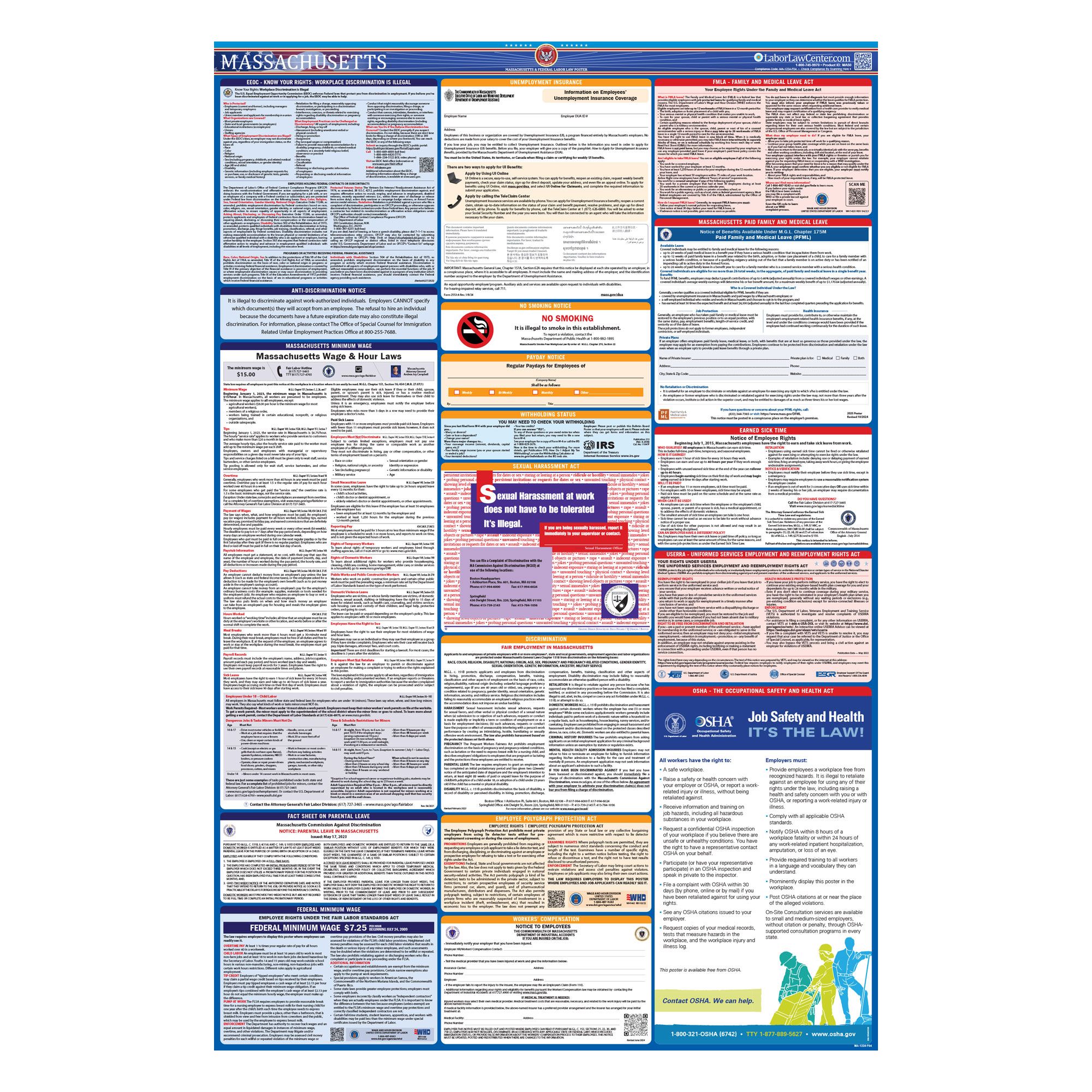
Credit: www.laborlawcenter.com
Frequently Asked Questions
What Are The Lunch Break Rules In Massachusetts?
Massachusetts law requires employers to provide a 30-minute lunch break for shifts over six hours. This break must be unpaid and uninterrupted.
Do All Employees Get Lunch Breaks In Massachusetts?
Most employees working over six hours must get a lunch break. Some jobs, like certain healthcare roles, have different rules.
Can Employers Require Employees To Work During Lunch Breaks?
Employers cannot force employees to work during their 30-minute lunch break. The break must be free from work duties.
Are Lunch Breaks Paid Or Unpaid In Massachusetts?
Lunch breaks are usually unpaid if the employee is completely relieved from work. Paid breaks happen only if work is performed during that time.
Conclusion
Understanding Massachusetts lunch break laws helps protect worker rights. Employers must follow clear rules for breaks and meal times. Employees should know their rights to avoid confusion or issues. Taking proper lunch breaks supports health and job satisfaction. Staying informed about labor laws benefits both workers and businesses.
Keep these rules in mind for a fair workplace.

Ismail Hossain is the founder of Law Advised. He is an Divorce, Separation, marriage lawyer. Follow him.