Surveillance Camera Laws in California: What You Must Know Today
Are you thinking about installing a surveillance camera at your home or business in California? Or maybe you’ve noticed a neighbor’s camera pointed in your direction and wondered if that’s even legal.
Understanding the laws around surveillance cameras in California is crucial to protect your privacy and avoid unintentional violations. You have the right to secure your property, but there are clear limits on where you can place cameras and what you can record.
You’ll discover what California law says about surveillance cameras—what’s allowed, what’s not, and how to make sure you stay on the right side of the rules. Keep reading to learn how to protect yourself and your privacy effectively.
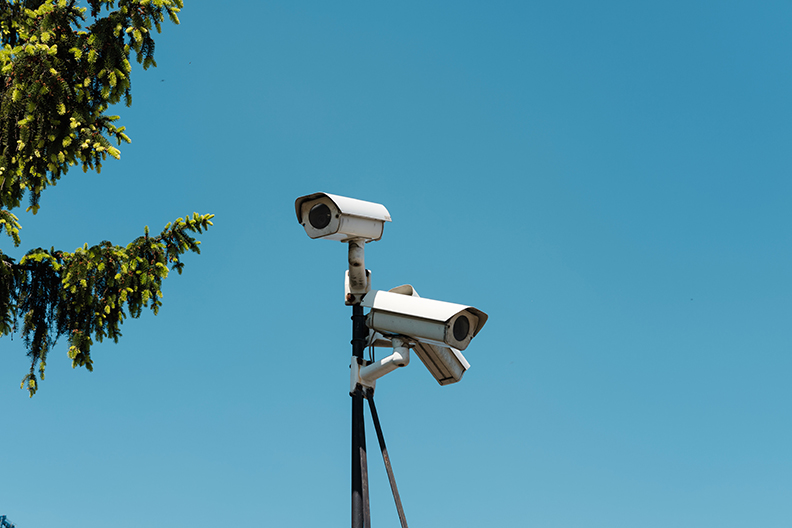
Credit: www.covesmart.com
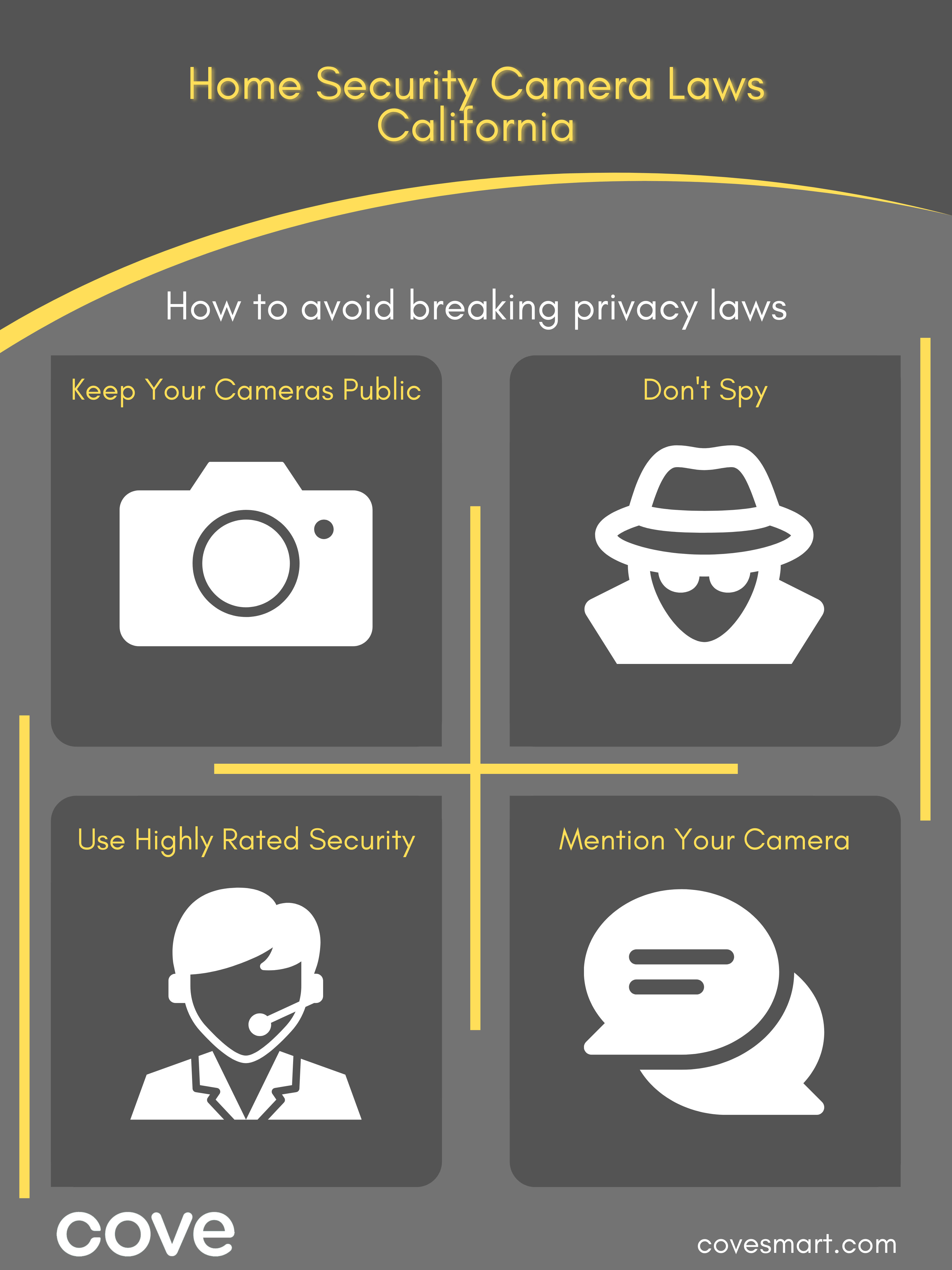
Legal Boundaries For Home Surveillance
Home surveillance cameras offer safety and peace of mind. California laws set clear limits to protect privacy. Knowing these rules helps avoid legal trouble. Homeowners must balance security with respect for neighbors’ privacy. This section covers where cameras can be placed and privacy expectations in neighborhoods.
Where Cameras Are Allowed
Cameras can be installed on your property to watch yards, driveways, and entrances. You may record public areas visible from your property. Avoid pointing cameras inside neighbors’ homes or private windows. Recording in places with a high privacy expectation is illegal. Common banned spots include bedrooms, bathrooms, and changing rooms. Outdoor areas that do not invade others’ privacy are generally allowed. Use cameras only for your property’s safety and security.
Privacy Expectations In Residential Areas
Neighbors expect privacy inside their homes and private spaces. Avoid filming areas where people undress or relax in private. California law protects individuals from being recorded without consent in private areas. Cameras should not capture audio without permission. Respect your neighbors’ boundaries to prevent disputes. Keep cameras focused on your property only. Clear signs about video surveillance can inform guests and neighbors. Balancing security with privacy maintains good community relations.
Neighbor Disputes And Camera Placement
Neighbor disputes about surveillance cameras are common in California. Cameras help protect homes but can cause privacy concerns. Proper camera placement reduces conflicts and respects legal limits. Understanding where to point cameras avoids disputes and keeps peace.
Directing Cameras Toward Neighbor’s Property
California law lets you film your own property clearly. Pointing cameras directly at a neighbor’s home or windows is not allowed. This can invade their privacy and lead to legal trouble. Cameras should focus on your yard, driveway, or front door only. Avoid recording private areas of neighbors.
Handling Privacy Complaints
Neighbors may complain if they feel watched or recorded unfairly. Take complaints seriously and try to adjust camera angles. Discuss concerns calmly to find a solution. You can explain you follow the law and respect privacy. If needed, consult local authorities for guidance on compliance.
Audio Recording Restrictions
Audio recording through surveillance cameras has strict rules in California. These rules protect people’s privacy and prevent unauthorized recordings. Understanding these restrictions is important for anyone using cameras with audio features.
California’s laws differ from federal laws, especially about consent requirements. Knowing both sets of rules helps avoid legal problems.
Federal Consent Laws
Federal law allows audio recording if one party agrees. This rule is called “one-party consent.” It means only one person in the conversation needs to know about the recording.
This law applies across the United States but does not override state laws that provide stronger protections.
California’s Specific Audio Rules
California requires all parties to consent before recording audio. This is known as “two-party consent” or “all-party consent.”
Recording audio without permission is illegal in most cases. It can lead to criminal charges or lawsuits.
This rule applies to private conversations where people expect privacy, even if the recording happens in public places.
Credit: www.covesmart.com
Workplace Surveillance Rules
California workplace surveillance rules guide employers on how to monitor their premises legally. These laws balance business security needs with employee privacy rights. Employers can install cameras in certain areas but must avoid infringing on personal privacy. Understanding where surveillance is allowed helps prevent legal troubles and respects workers’ dignity.
Permitted Surveillance Areas
Employers may place cameras in public workspaces like offices and lobbies. Entryways, hallways, and breakrooms are also common places for surveillance. These areas have no reasonable expectation of privacy. Surveillance here helps protect property and ensure safety. Recording video without audio is usually allowed in these zones.
Prohibited Monitoring Zones
Surveillance is not allowed in private spots such as restrooms and locker rooms. These places have a high expectation of privacy. Installing cameras in these zones violates state privacy laws. Employers must avoid recording audio in any area without explicit consent. Respecting these boundaries prevents employee distrust and legal penalties.
Hiring Licensed Installers
Hiring licensed installers for your surveillance camera system in California ensures proper setup and legal compliance. A professional installer understands local laws and technical requirements. This knowledge helps avoid costly mistakes and legal issues later. Trusting a licensed expert protects your investment and privacy.
Importance Of Using Licensed Professionals
Licensed installers have proven skills and training. They follow strict guidelines to protect your property and privacy. Unlicensed work can lead to faulty installation and legal troubles. Licensed professionals carry insurance to cover damages or accidents. Their work meets state and local safety codes.
Compliance With Installation Standards
California law requires surveillance cameras to meet specific standards. Licensed installers know these rules and apply them correctly. Proper placement avoids invading neighbors’ privacy and respects reasonable expectations. Correct wiring and setup prevent system failures and security risks. Licensed installers ensure your system works reliably and legally.
Credit: www.security101.com
Frequently Asked Questions
Can My Neighbor’s Security Camera Point To My Backyard In California?
Your neighbor can legally point a security camera at your backyard only if it does not invade your privacy. Cameras must avoid private areas like windows or patios. Recording video is generally allowed; recording audio without consent is illegal in California.
What Is Considered Illegal Surveillance In California?
Illegal surveillance in California includes recording private areas like bedrooms or bathrooms, capturing audio without consent, and pointing cameras into neighbors’ homes. Recording audio secretly violates state laws. Monitoring public spaces on your property is allowed, but invading others’ privacy is prohibited.
Can I Point My Security Camera At My Neighbors?
Pointing your security camera directly at a neighbor’s private areas may violate privacy laws. Aim cameras only at your property.
Can My Neighbor Legally Record Audio & Video Of Me In My Own Backyard?
Neighbors can legally record video in your backyard if it’s visible from their property. Recording audio without consent is illegal in California. Privacy laws protect areas where you expect privacy, like your backyard. Always check local laws for specific restrictions on surveillance and audio recording.
Can My Neighbor’s Security Camera Legally Record My Backyard In California?
Neighbors can record their own property but cannot point cameras directly into your backyard. Recording areas where you expect privacy, like backyards, may violate California privacy laws. It’s best to address concerns calmly with your neighbor first.
Conclusion
Understanding California’s surveillance camera laws helps protect privacy and avoid legal trouble. Cameras must not invade private spaces like bedrooms or bathrooms. Recording video on your property is usually allowed, but pointing cameras into neighbors’ homes is not. Audio recording requires consent from at least one party.
Employers can monitor public work areas but not private spots like restrooms. Always check local rules and use licensed installers for complex setups. Staying informed ensures your security measures respect the law and your community’s privacy.

Ismail Hossain is the founder of Law Advised. He is an Divorce, Separation, marriage lawyer. Follow him.