Video Recording Laws in Massachusetts: What You Need to Know
Are you curious about what you can and cannot do when recording videos in Massachusetts? Whether you want to capture a special moment, protect yourself with evidence, or simply understand your rights, knowing the video recording laws is crucial.
These rules can be tricky, and breaking them—even unknowingly—could lead to serious trouble. Keep reading to discover exactly what you need to know to stay safe and confident while recording in Massachusetts. Your peace of mind starts here.
Credit: newtexsecurity.com
Massachusetts Wiretapping Law
Massachusetts has strict rules about recording conversations. The state’s wiretapping law protects privacy by limiting when and how recordings can happen. It applies to both in-person talks and phone calls. Understanding these rules helps avoid legal trouble.
One-party Consent Rule
Massachusetts requires all parties to agree before recording a conversation. This means everyone involved must give permission. Secret recordings can lead to serious penalties. The law is clear: no recording without full consent.
Legal Implications For Recording Conversations
Breaking the wiretapping law can cause legal problems. Penalties include fines and possible jail time. Recorded conversations without consent may not be allowed in court. Respecting the law protects your rights and others’ privacy.

Credit: getsafeandsound.com
Public Vs Private Spaces
Understanding video recording laws in Massachusetts requires knowing the difference between public and private spaces. These laws affect where and how you can record video legally. The main factor is whether a person has a reasonable expectation of privacy in the location you want to record.
Public and private spaces have different rules. Knowing these rules helps avoid legal trouble. It also protects people’s privacy rights while allowing lawful recording in public places.
Expectations Of Privacy
People expect privacy in places like homes and bathrooms. These are private spaces where video recording is usually not allowed without permission. Recording here can violate privacy laws.
In private spaces, people expect no one is watching or recording. This expectation is protected by law in Massachusetts. Recording without consent can lead to legal consequences.
Recording In Public Areas
Public places include streets, parks, and sidewalks. People generally do not expect privacy in these spaces. Recording video in public is usually legal without consent.
Massachusetts law allows video recording in public areas. This includes filming people in crowds or public events. Still, recording should not invade personal privacy or involve harassment.
Video Recording Without Audio
Video recording without audio is common in Massachusetts. Many use cameras for security or personal memories. Recording video only means capturing images without sound. This method avoids some legal issues tied to audio recording. Still, it is important to know what is allowed by law.
Legal Boundaries
Massachusetts permits video recording in public places without audio. You can film in areas where people expect to be seen. Private property needs owner permission for video recording. Avoid recording in bathrooms or changing rooms. These places have a higher privacy expectation. Filming someone in a private place without consent can lead to legal trouble. It is best to respect others’ privacy rights.
When Audio Consent Is Required
Audio recording laws are stricter than video laws. Massachusetts requires all parties to agree before recording sound. Without this consent, audio recording is illegal. Even if you only capture video, adding sound changes the rules. Always ask for permission before recording conversations. This protects you from breaking wiretapping laws. Silent video usually does not need consent. Be careful when your device records both sound and video.
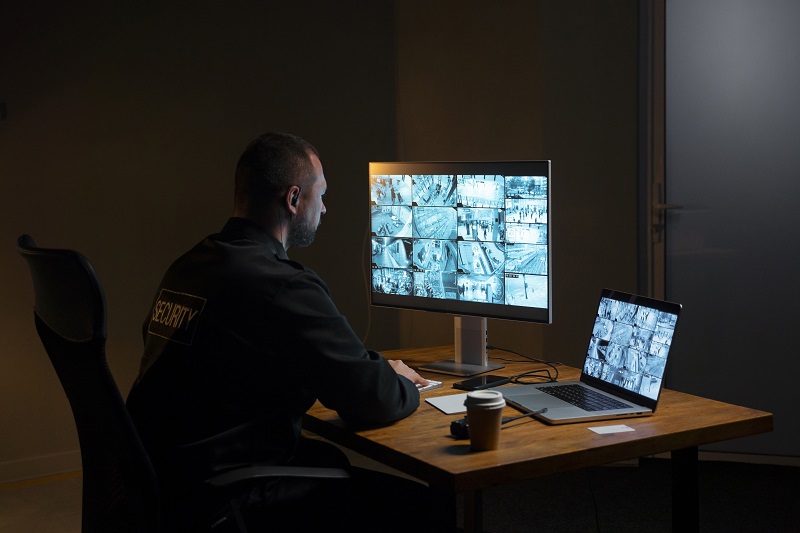
Use Of Surveillance Cameras
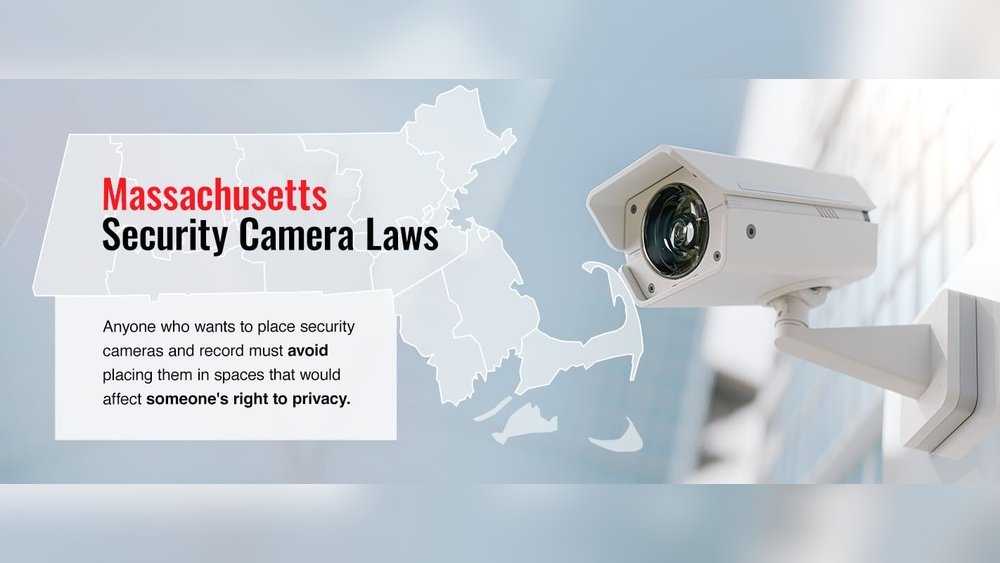
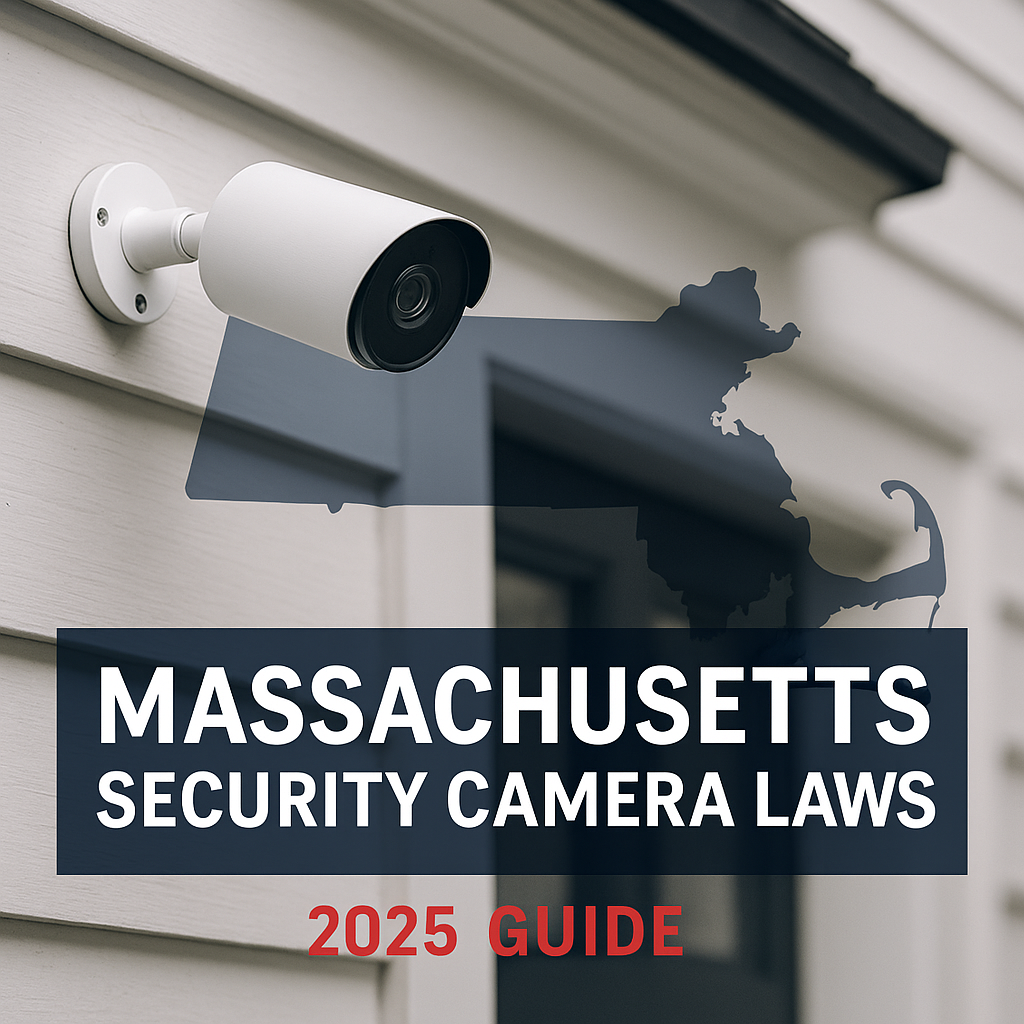
Surveillance cameras have become common in many places. They help protect homes and businesses by watching over property. These cameras can record video and sometimes audio. In Massachusetts, there are clear rules about using these devices. Understanding these rules helps avoid legal problems and respects privacy.
Home And Business Monitoring
Many people use cameras to watch their homes. Cameras can catch burglars or other threats. Businesses use cameras to keep workers and customers safe. They also help stop theft and damage. Cameras can record inside or outside buildings. Recording only public areas is usually allowed. Recording private places, like bathrooms, is not allowed.
Restrictions On Surveillance
Massachusetts law limits where and how cameras can record. Cameras cannot record audio without consent. This is important because it protects private conversations. Recording someone without their knowledge can lead to fines or jail. Cameras must not invade someone’s reasonable privacy. For example, pointing a camera into a neighbor’s window is illegal. Following these rules keeps surveillance legal and fair.
Penalties And Enforcement
Understanding the penalties and enforcement of video recording laws in Massachusetts helps protect your rights. The state has clear rules about when and how you can record videos. Breaking these laws can lead to serious trouble. Penalties vary depending on the type and severity of the violation. Authorities take these matters seriously to protect privacy and personal safety.
Civil And Criminal Consequences
Violating video recording laws in Massachusetts can cause civil or criminal penalties. Civil consequences often involve fines or lawsuits. The injured party may sue for damages if privacy is breached.
Criminal consequences include charges that can lead to jail time. Some offenses are classified as misdemeanors, while others may be felonies. Penalties depend on factors like intent and harm caused. Repeat offenses usually face harsher punishments.
How Violations Are Handled
Law enforcement investigates complaints about illegal recording. They gather evidence to determine if laws were broken. Cases may be referred to prosecutors for criminal charges. Civil cases often involve court hearings and settlements.
Victims can report violations to police or seek legal help. Courts consider the facts before deciding penalties. Enforcement aims to uphold privacy rights and discourage future violations.
Credit: thefernandezfirm.com
Frequently Asked Questions
Can I Record Videos Without Consent In Massachusetts?
Massachusetts is a two-party consent state. Both parties must agree before recording audio. Video recording without consent can lead to legal trouble.
Are Public Places Allowed For Video Recording In Massachusetts?
You can record videos in public places where there is no reasonable expectation of privacy. Privacy laws still apply in some public settings. Avoid recording in bathrooms or private offices.
Is Hidden Camera Recording Legal In Massachusetts?
Using hidden cameras is mostly illegal if it records private conversations. Consent from all parties is required for audio recording. Video-only hidden cameras are allowed in some cases but must not violate privacy.
Can I Use Video Recordings As Evidence In Court?
Video recordings made legally can be used as evidence. Illegal recordings may be rejected by the court. Always ensure you follow Massachusetts laws before recording.
Conclusion
Video recording laws in Massachusetts protect privacy and set clear rules. Always ask permission before recording in private spaces. Public places usually allow recording, but be respectful. Knowing these laws helps avoid legal trouble and keeps everyone safe. Stay informed and follow the rules to record responsibly.
Simple steps can make a big difference. Respect others’ rights while capturing important moments. Understanding the law means recording with confidence and care. Keep these points in mind for all your video recordings in Massachusetts.

Ismail Hossain is the founder of Law Advised. He is an Divorce, Separation, marriage lawyer. Follow him.