Severance Pay Laws in Massachusetts: What Employees Must Know
If you’re facing a job loss or want to understand your rights better, knowing about severance pay laws in Massachusetts is crucial. You might wonder if you’re entitled to extra money after leaving a job, or what rules your employer must follow.
This guide will clear up the confusion and give you the facts you need to protect yourself. Keep reading to learn how severance pay works in Massachusetts and what steps you can take to ensure you get what you deserve.

Credit: www.workyard.com
Massachusetts Severance Pay Basics
Understanding severance pay in Massachusetts is important for both employees and employers. Severance pay is money given to workers after their job ends. The state does not require employers to offer severance pay. It depends on company policy or agreements made before.
Many workers expect severance pay when laid off or fired. Knowing the basics helps you understand your rights and what to expect. This section explains key points about severance pay in Massachusetts.
What Is Severance Pay?
Severance pay is a sum of money paid after employment ends. It is meant to help workers during job transition. Payment amount and terms vary by employer. Some companies offer severance as a part of the contract.
Massachusetts Laws On Severance Pay
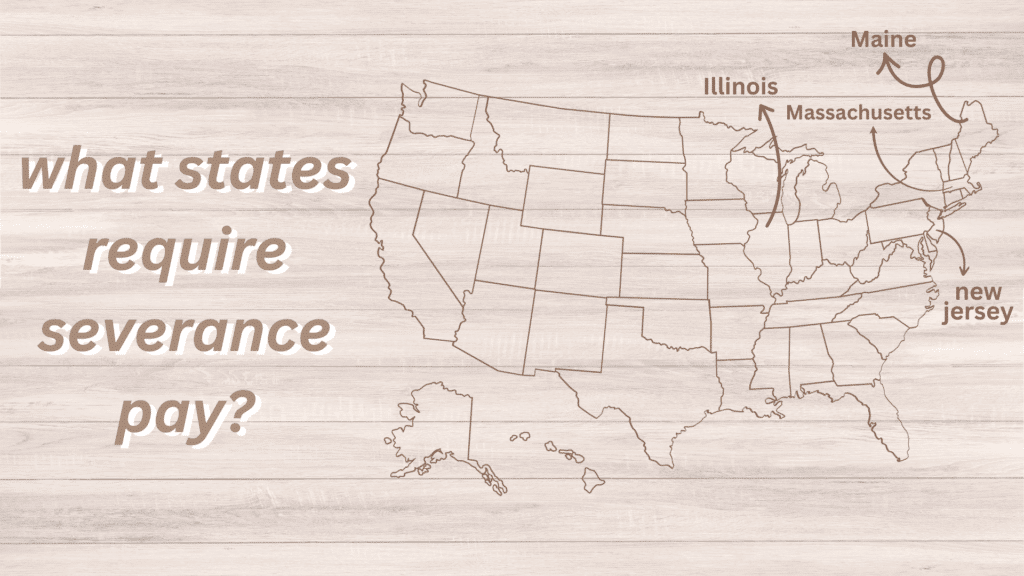
Massachusetts has no law requiring severance pay. Employers are not obligated to provide it. Any severance agreement must be clear and in writing. Workers should read agreements carefully before signing.
Who Qualifies For Severance Pay?
Qualification depends on employer rules. Often, workers laid off for no fault get severance. Employees fired for cause usually do not. Part-time and temporary workers may not qualify.
How Is Severance Pay Calculated?
Calculation varies by company policy. Many use length of service as a factor. A common formula is one or two weeks’ pay per year worked. Some employers offer a fixed amount regardless of tenure.
Severance Pay And Unemployment Benefits
Receiving severance pay can affect unemployment benefits. It may delay when benefits start. Workers should report severance pay to the unemployment office. This helps avoid issues with benefit payments.
When Severance Pay Is Required
Severance pay is not always mandatory in Massachusetts. The law does not require employers to provide severance unless specific conditions apply.
Understanding when severance pay is required helps employees know their rights. Employers must follow rules set by contracts or company policies.
Employment Contracts And Agreements
Severance pay is required if an employment contract states it. Some contracts include terms about severance for layoffs or terminations.
Written agreements between employer and employee can specify severance amounts and payment terms. These contracts are legally binding.
Company Policies And Handbooks
Companies may have policies promising severance pay for certain layoffs. If a policy exists, the employer must honor it.
Employee handbooks often outline severance procedures. These documents act like informal contracts in many cases.
Massachusetts Warn Act
The Massachusetts WARN Act applies to large layoffs or plant closures. It may require severance or pay in place of notice.
This law covers employers with 100 or more employees. It demands 60 days’ advance notice or payment instead.
Federal Warn Act
The federal WARN Act also protects workers during mass layoffs. It applies to companies with 100 or more employees.
Employers must give 60 days’ notice or severance pay equal to that period. This law helps workers prepare for job loss.
Calculating Severance Pay Amounts
Calculating severance pay amounts in Massachusetts depends on several factors. Employers do not have a fixed formula by law. Instead, agreements and company policies play a big role.
Severance pay often includes a base amount plus extra pay for years worked. The goal is to offer some financial help after losing a job.
Understanding The Role Of Employment Contracts
Many severance pay amounts come from written contracts. These contracts may state exact payment terms. Employees should review their contracts carefully.
Contracts can specify a certain number of weeks or months of pay. Sometimes they include bonuses or unused vacation pay.
Calculating Pay Based On Length Of Service
Length of employment often affects severance pay size. Common practice is one or two weeks of pay for each year worked.
For example, an employee with five years might get five to ten weeks of pay. This method rewards loyalty and tenure.
Considering Salary And Benefits In Calculations
Severance pay usually reflects the employee’s regular salary. Some companies include benefits like health insurance.
Calculations can be based on base pay or total compensation. Clarify which components count before accepting any offer.
Credit: hrsimple.com
Employee Rights And Employer Obligations
Understanding employee rights and employer obligations in Massachusetts is essential. It helps both parties know what to expect during job separation. Severance pay laws protect workers while guiding employers on legal duties. This section explains these rights and duties clearly.
Employee Rights To Severance Pay
Massachusetts does not require employers to offer severance pay. However, if a contract or company policy promises severance, employees have the right to receive it. Workers should check their employment agreements carefully. They must also review any employee handbooks that mention severance benefits.
Employer Obligations For Severance Pay
Employers must follow the terms stated in contracts or company policies. They must pay severance if promised. Employers should provide clear information about severance terms before ending employment. This helps avoid confusion or disputes. Proper documentation is important to protect both sides.
Legal Protections For Employees
Employees cannot lose rights promised in contracts. The Massachusetts laws protect workers from unfair treatment during layoffs. Employers must avoid discrimination or retaliation when offering severance pay. Workers may seek legal help if they believe their rights are violated.
Common Severance Pay Mistakes To Avoid
Many employees and employers make mistakes with severance pay in Massachusetts. These errors can cause delays and legal issues. Knowing common pitfalls helps protect your rights and avoid confusion.
Severance pay laws can be tricky. Simple mistakes might cost you money or create disputes. Read on to learn common errors and how to avoid them.
Incorrect Calculation Of Severance Amount
One common mistake is calculating severance pay incorrectly. Some employers use the wrong pay rate or exclude bonuses. Always check if overtime, commissions, or benefits count in your severance.
Not Understanding State And Federal Rules
Many people forget Massachusetts has specific severance laws. Federal laws also apply. Ignoring either can lead to missed payments or legal trouble. Know both sets of rules clearly.
Failing To Review The Severance Agreement
Employees often sign agreements without reading them carefully. This can waive important rights or agree to unfair terms. Take time to understand every clause before signing.
Missing Deadlines To Claim Severance
Severance pay claims may have strict deadlines. Missing these can mean losing your right to payment. Keep track of all dates and respond promptly to any notices.
Assuming Severance Is Always Required
Not all jobs or terminations require severance pay. Some employers may not offer it. Do not assume you will receive severance unless it is in your contract or company policy.

Credit: mauragreene-law.com
Frequently Asked Questions
What Are The Basic Severance Pay Laws In Massachusetts?
Massachusetts does not require employers to offer severance pay by law. Severance agreements depend on company policy or employment contracts. Always check your employer’s specific rules.
Who Is Eligible For Severance Pay In Massachusetts?
Eligibility often depends on your employer’s policy or contract terms. Most companies offer severance to employees laid off or terminated without cause. Not all workers qualify automatically.
How Is Severance Pay Calculated In Massachusetts?
Severance pay usually depends on your length of service and salary. Commonly, companies pay one or two weeks per year worked. Check your agreement for exact details.
Can Severance Pay Affect Unemployment Benefits In Massachusetts?
Receiving severance pay might delay your unemployment benefits. The state reviews severance as income during your claim. Report all severance to avoid payment issues.
Conclusion
Severance pay laws in Massachusetts protect workers after job loss. Employers must follow clear rules about payments. Knowing your rights helps you plan better. Always check your contract and company policy. Talking to a legal expert can bring peace of mind.
Stay informed to avoid surprises during tough times. Understanding these laws makes transitions smoother. Keep this information handy for future reference. Your job matters, and so does your pay.

Ismail Hossain is the founder of Law Advised. He is an Divorce, Separation, marriage lawyer. Follow him.