What Expenses Can Be Itemized Step-by-Step Guide for 2026
Deciding what expenses can be itemized allows taxpayers to deduct specific costs like medical bills, mortgage interest, and charitable donations instead of taking the standard deduction. Knowing IRS rules and AGI thresholds helps maximize your overall tax savings. Proper documentation remains essential for every claim.
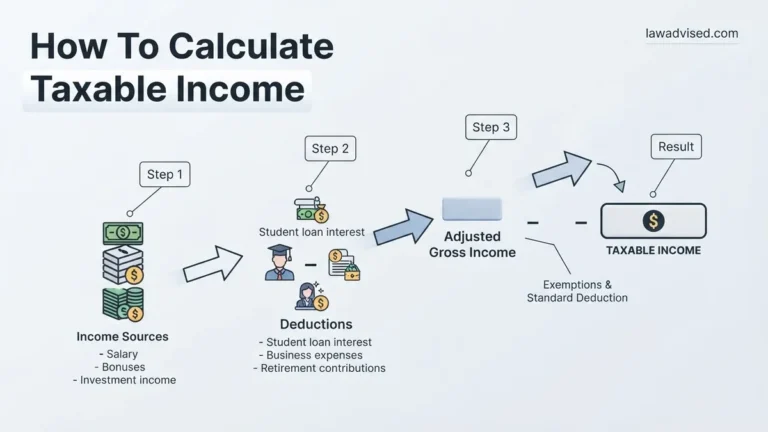
When preparing your federal income tax return for 2026, you can choose between taking the standard deduction or itemizing your specific personal expenses. Itemizing allows you to deduct eligible out-of-pocket costs like medical bills, state and local taxes, mortgage interest, and charitable donations directly from your adjusted gross income. You should choose this path only if your total allowable itemized expenses exceed the standard deduction threshold set for the 2026 tax year.
Choosing to itemize requires meticulous record-keeping, but it can significantly lower your overall tax liability if your deductible expenses are high. Knowing exactly which expenses qualify and understanding the strict IRS thresholds prevents costly errors during filing season. Let us break down the exact categories, calculation methods, and rules you need to navigate itemized deductions successfully in 2026.
Key Takeaways
- Itemize when your total allowable deductions exceed the standard deduction amount.
- Medical and dental expenses must exceed 7.5% of your adjusted gross income.
- State and local taxes (SALT) are capped at a maximum of $10,000 annually.
- Mortgage interest is deductible on acquisition debt up to IRS limits.
- Keep thorough receipts and bank statements to support every itemized expense.

What Causes Taxpayers to Benefit from Itemizing Deductions
Comparing Your Total Expenses to the Standard Deduction
You only benefit from itemizing if your cumulative deductible expenses surpass the standard deduction amount for your filing status in 2026. If your total qualified expenses fall short, taking the standard deduction saves you time and provides a higher tax write-off. Taxpayers typically benefit from itemizing when they experience major life events, such as purchasing a home, incurring high medical bills, or making substantial charitable contributions.
- Homeownership generates large mortgage interest and property tax deductions.
- Severe medical or dental emergencies can push you past the adjusted gross income floor.
- Generous year-round charitable giving accumulates rapidly across multiple organizations.
Major Life Events That Trigger High Deductible Costs
Specific financial circumstances make itemizing a necessity rather than a choice. If you live in a state with high income and property taxes, those costs alone may approach the federal deduction limits. Similarly, high-income earners who donate heavily to charity or business owners with complex personal financial portfolios frequently find that itemization yields a much lower tax bill than the standard deduction.
How to Calculate and Itemize Your Personal Expenses Step-by-Step
Gathering and Organizing Your Receipts and Forms
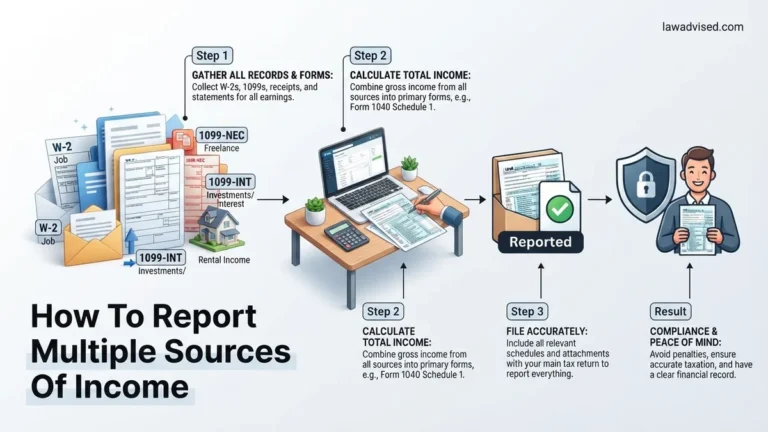
The first step in the itemizing process is collecting all documentation associated with your potential deductions throughout the 2026 tax year. You will need Form 1098 from your mortgage lender, receipts for out-of-pocket medical treatments, property tax statements, and written acknowledgments for charitable donations over two hundred and fifty dollars. Keeping these documents organized in a digital folder or physical file ensures you can substantiate every dollar claimed if the IRS requests verification.
Calculating AGI Thresholds and Percentage Floors
Many itemized deductions are subject to strict Adjusted Gross Income (AGI) floors that you must calculate before claiming them. For example, unreimbursed medical and dental expenses are only deductible to the extent they exceed a specific percentage of your 2026 AGI. You must multiply your total AGI by this percentage floor and subtract that number from your total medical costs to find your final deductible amount. Once you total all eligible categories, you will report these figures on IRS Schedule A to finalize your itemized deductions.
- Calculate your total AGI from your W-2s, 1099s, and investment income.
- Apply IRS percentage floors to categories like medical expenses and casualty losses.
- Transfer your final calculated totals onto Schedule A of your Form 1040.
What to Fix When Your Itemized Expenses Fall Below the Threshold
When your total eligible deductions fall short of the 2026 standard deduction, you need to actively bridge the gap. According to tax strategy experts, taxpayers often miss legitimate write-offs simply by failing to group their expenses strategically into a single calendar year.
1. Bunch Your Medical Expenses
Unreimbursed medical and dental expenses must exceed 7.5 percent of your Adjusted Gross Income (AGI) to be deductible. Because of this high hurdle, you should schedule elective procedures, dental work, and vision purchases into a single tax year to clear the threshold.
2. Maximize Charitable Contributions
Cash and property donations remain fully deductible up to specific AGI limits. Consider utilizing a donor-advised fund in 2026. This allows you to contribute several years’ worth of charitable donations upfront to exceed the standard deduction threshold while distributing the actual grants to charities over time.
3. Advance State and Local Tax Planning
State and local taxes (SALT) remain capped at $10,000. Ensure you capture every allowable dollar within this limit by timing property tax payments and state estimated income tax payments accurately before the December 31, 2026 deadline.
What If Your Itemization Strategy Still Does Not Beat the Standard Deduction
If your calculated itemized deductions still fail to surpass the 2026 standard deduction after optimization, do not force it. Taking the standard deduction is often the mathematically superior choice, requiring zero audit risk and minimal paperwork.
- Accept the Standard Deduction: Acknowledge that the simplified tax filing approach saves you time and often yields a higher net return when itemization falls short.
- Shift Focus to Above-the-Line Deductions: Prioritize adjustments to income that reduce your AGI directly, such as traditional IRA contributions, Health Savings Account (HSA) deposits, and student loan interest deductions, which you can claim regardless of whether you itemize.
- Consult a Certified Public Accountant: If your financial situation involves complex investments, rental properties, or small business income, hire a licensed CPA to review your records. Professional tax preparation services typically cost between $300 and $800 depending on complexity.
- Implement Multi-Year Tax Bundling: Work with a financial planner to structure your income and deductible expenses across 2026 and 2027, alternating years between standard deductions and heavy itemization.
- Maintain Meticulous Records Anyway: Keep receipts and digital logs for all potential deductions throughout the year, ensuring you are prepared to pivot strategies if tax legislation changes or your personal expenses surge unexpectedly.
Conclusion
Navigating whether to itemize deductions in 2026 requires careful calculation against current inflation-adjusted thresholds. When your itemized expenses fall short, bunching deductible costs or pivoting to above-the-line savings protects your bottom line. According to verified research and tax policy experts from the Tax Foundation, taxpayers who strategically alternate between standard and itemized deductions maximize their lifetime tax savings. Your immediate next step is to tally your projected 2026 medical, charitable, and interest expenses today to determine which filing method secures your maximum refund.
❓ Frequently Asked Questions
What expenses can be itemized under medical and dental deductions?
You can itemize payments for doctor visits, prescription drugs, dental care, hospital services, and health insurance premiums paid with after-tax dollars. Travel expenses strictly for medical care also qualify, provided your total unreimbursed costs cross the AGI threshold.
What types of taxes paid are eligible for itemization?
State and local income taxes (or general sales taxes), real estate taxes, and personal property taxes can be itemized. However, the combined state and local tax deduction is subject to a strict annual cap of $10,000.
How does the mortgage interest deduction work when itemizing?
You can deduct interest paid on a mortgage secured by your primary home or second home. For loans taken out after a specific date, interest is deductible on up to $750,000 of qualified residence loans.
What rules apply to charitable donation deductions?
Cash and property donations made to qualified 501(c)(3) organizations are generally deductible up to certain percentages of your adjusted gross income, typically ranging from 20% to 60% depending on the asset type.
Are miscellaneous itemized deductions still allowed?
Most miscellaneous itemized deductions that were subject to the 2% AGI floor, such as un-reimbursed employee business expenses and tax preparation fees, remain suspended under current tax law.
What happens if the IRS audits my itemized deductions?
The IRS may request proof of your expenses, such as receipts, bank statements, and tax forms. If you cannot substantiate the claims, the deductions will be disallowed, and you may owe back taxes plus penalties.

Ismail Hossain is the founder of Law Advised. He is an Divorce, Separation, marriage lawyer. Follow him.