Property Abandonment Laws in Florida: What Every Owner Must Know
Are you dealing with a property in Florida that seems forgotten or left behind? Whether you’re a landlord, tenant, or just curious about what happens when a property is abandoned, understanding Florida’s property abandonment laws is crucial.
These laws affect how long a property must be vacant before it’s considered abandoned, what rights you have, and what legal steps you need to take. If you want to protect your rights, avoid costly mistakes, or even explore opportunities to claim abandoned property, this guide is made for you.
Keep reading to uncover the key rules, your responsibilities, and how to navigate Florida’s unique legal landscape around abandoned property.
Abandoned Property Criteria
Understanding the criteria for abandoned property in Florida is essential for property owners, tenants, and legal professionals. The state has clear rules that define when a property is considered abandoned. These rules help protect owners and ensure proper handling of such properties under the law.
Abandoned property laws in Florida focus on specific conditions and timeframes. Identifying abandoned property correctly prevents legal disputes. It also guides the process for reclaiming or disposing of the property.
Timeframes For Abandonment
Florida law sets specific time limits before a property is declared abandoned. For residential rental properties, abandonment typically occurs if the tenant is absent for more than 15 days without paying rent. Landlords must send a written notice to the tenant before acting.
For personal property left behind, the timeframes vary depending on the type and location of the property. Some items may be considered abandoned after just a few days, while others might require longer periods. Understanding these timeframes helps landlords and authorities respond properly.
Types Of Property Covered
Florida’s abandoned property laws cover a wide range of property types. Residential properties, commercial spaces, and personal belongings all fall under these laws. This includes furniture, vehicles, and other items left behind by tenants or owners.
The laws also apply to intangible property such as unclaimed bank accounts, uncashed checks, and utility deposits. The Florida Division of Unclaimed Property manages these assets and holds them until rightful owners claim them.
Credit: www.southfloridalawpllc.com
Landlord Responsibilities
Landlords in Florida must follow clear rules when tenants abandon property. These rules protect both landlords and tenants. Understanding these responsibilities helps avoid legal trouble.
Landlords must act carefully after a tenant leaves belongings behind. They should notify tenants properly and handle the property with care. Florida law outlines specific steps to follow.
Notice To Tenants
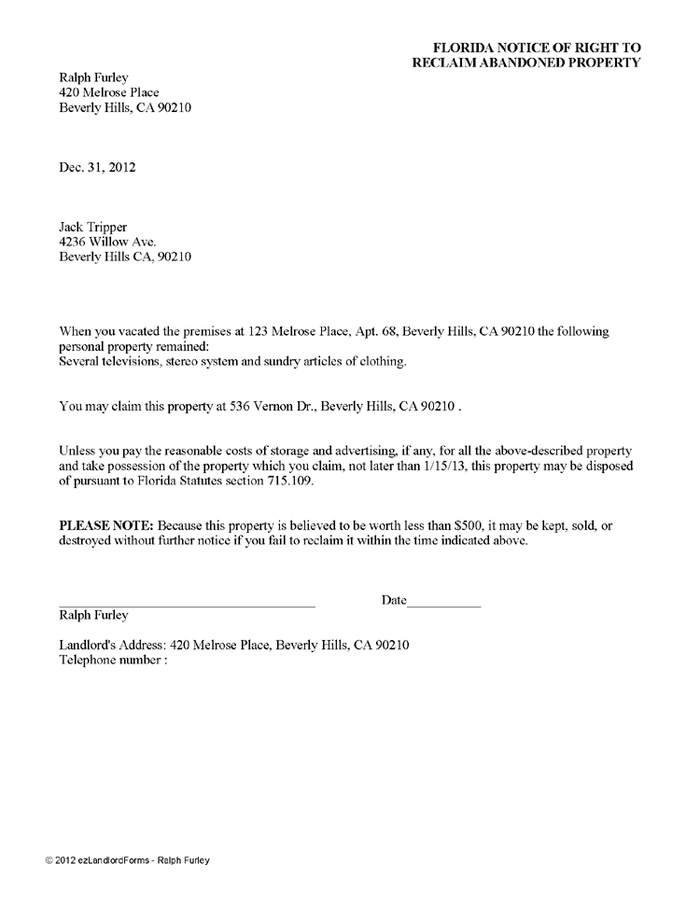
Landlords must send a written notice to tenants about the abandoned property. This notice informs tenants they can reclaim their belongings. The notice must include how and where tenants can retrieve their items.
The notice must be sent within a set time after discovering the property is abandoned. Landlords often use certified mail to ensure tenants receive it. This step helps landlords document their actions legally.
Handling Leftover Belongings
Landlords cannot immediately dispose of tenant belongings. They must store the items safely for a required period. This period usually lasts 15 days but can vary based on the lease or local rules.
If tenants do not claim their property within the time frame, landlords may sell, keep, or discard the items. Selling the property often requires advertising the sale publicly. Landlords must follow all legal steps to avoid penalties.
Unclaimed Property Procedures
Unclaimed property procedures in Florida follow clear rules. These rules ensure owners can reclaim lost or forgotten assets. The state manages unclaimed property with specific laws. Understanding these laws helps protect your rights and property.
Florida’s Unclaimed Property Act
Florida’s Unclaimed Property Act covers intangible property. Examples include uncashed checks and dormant bank accounts. The state collects these assets to keep them safe. Businesses and holders must report unclaimed property to Florida. The Florida Division of Unclaimed Property oversees this process. They keep records and hold assets until claimed.
Claiming And Reporting Assets
Rightful owners can claim their property anytime. The state offers an online portal called Florida Treasure Hunt. It lets people search and claim their assets easily. Holders must report unclaimed property annually. They must also turn over these assets to the state. If someone finds lost property, they must notify local law enforcement. This process helps return property to the rightful owner.
Credit: www.hunterlawgroup.com
Adverse Possession Rules
Adverse possession is a legal way to claim ownership of abandoned property in Florida. It allows a person to gain title to land without the original owner’s consent. This process requires meeting specific rules set by Florida law.
Understanding these rules is essential for anyone interested in claiming property through adverse possession. The law protects property owners but also gives a chance to those who openly use abandoned land over time.
Requirements For Ownership Claims
To claim property by adverse possession, the claimant must occupy the land openly and continuously.
The possession must be hostile, meaning without the owner’s permission.
The use must be actual and exclusive, not shared with the public or the owner.
Florida requires a minimum of seven years of continuous possession.
The claimant must pay property taxes during this period.
Legal Process And Limitations
The claimant must file a legal action to quiet title after meeting the possession requirements.
This action confirms ownership rights in court and removes claims from others.
Adverse possession cannot be claimed if the true owner is a government entity.
Claims may fail if the possession is secret or intermittent.
Legal advice is crucial to navigate these steps correctly and avoid mistakes.
Lost Property And Finder’s Duties
Finding lost property comes with responsibilities in Florida. The law guides how finders should act to protect owners’ rights. Understanding these duties helps avoid legal trouble and ensures rightful owners can reclaim their belongings.
Turning In Found Property
Finders must hand over lost property to local police. This step starts the legal process of returning items to their owners. The police keep the property safe while searching for the rightful owner. If the owner cannot be found, the law provides instructions on what happens next. Keeping the property without reporting can lead to fines or other penalties.
Owner Identification And Claims
The police try to identify the owner using available information. Owners may claim their lost property by providing proof. Proof can include descriptions, receipts, or identification. Claimants must act within a certain time to retrieve their items. If no owner claims the property, it may become the finder’s after a legal waiting period.
Credit: www.ezlandlordforms.com
Frequently Asked Questions
How Long Before Property Is Considered Abandoned In Florida?
In Florida, property is generally considered abandoned after 15 days of tenant absence without rent payment or contact. Landlords must follow specific notice and storage rules before disposing of belongings. Legal claims may involve adverse possession, requiring continuous occupancy for seven years.
What Is The 7 Year Property Law In Florida?
The 7-year property law in Florida refers to adverse possession. Continuous, open possession for 7 years may grant ownership rights. Claimants must meet specific legal requirements to acquire property under this law.
Do You Have To Show Cops Your Id In Florida?
In Florida, you must show your ID during a lawful stop if the officer reasonably suspects you of a crime. Refusing may lead to arrest.
What Is The Statute Of Abandoned Property In Florida?
Florida classifies property as abandoned after one year of owner inactivity or no contact. Landlords must notify tenants before disposing of abandoned items. The state holds unclaimed intangible property indefinitely, allowing owners to claim it anytime via the Florida Treasure Hunt portal.
How Long Before Property Is Legally Abandoned In Florida?
Property is considered abandoned in Florida after 15 days of no contact or rent payment. Landlords must provide written notice before taking further action. This helps protect tenant rights and ensures fair process.
Conclusion
Understanding Florida’s property abandonment laws helps protect your rights. Acting quickly can prevent loss or legal issues. Always follow the required notices and procedures carefully. Knowing how to claim abandoned property is important. For complex situations, seek advice from a Florida attorney.
Staying informed ensures you handle property matters correctly. Keep these laws in mind to avoid surprises. Property laws vary, so stay updated on changes. Protect your investments by knowing the rules well.

Ismail Hossain is the founder of Law Advised. He is an Divorce, Separation, marriage lawyer. Follow him.