Electric Bike Laws in Georgia: What Every Rider Should Know
Electric bikes are growing in popularity across Georgia. People choose them for commuting, recreation, and even delivery jobs. But as more riders hit the streets, questions about electric bike laws in Georgia are becoming common. Knowing the rules can help you stay safe and avoid fines. In this article, you’ll discover what Georgia law says about e-bikes, how to ride legally, and what details beginners often miss. Whether you’re thinking about buying an e-bike or already own one, understanding these laws is key.
What Is An Electric Bike In Georgia?
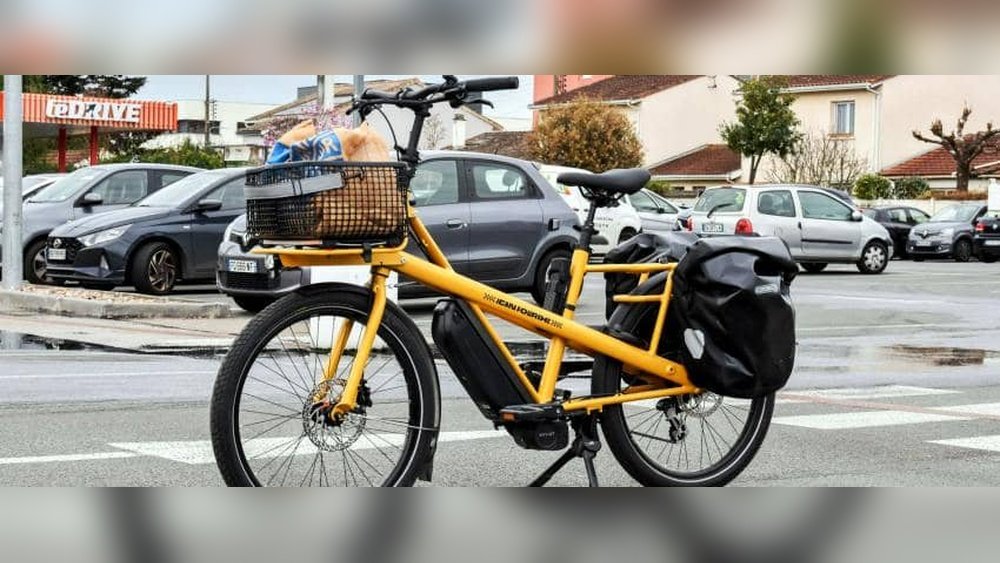
Georgia law defines an electric bike (also called “e-bike”) as a bicycle with a motor that helps you pedal. The motor must not be more than 750 watts (about 1 horsepower). E-bikes come in three classes:
| Class | Top Speed (mph) | How It Works |
|---|---|---|
| Class 1 | 20 | Pedal-assist only |
| Class 2 | 20 | Pedal-assist or throttle |
| Class 3 | 28 | Pedal-assist only |
A Class 1 e-bike only helps when you pedal, and shuts off at 20 mph. Class 2 e-bikes can use a throttle without pedaling, but also stop helping at 20 mph. Class 3 e-bikes assist only when you pedal, up to 28 mph.
If your e-bike goes faster or has a bigger motor, it’s not covered by Georgia’s e-bike laws—it’s treated like a motor vehicle.
Where Can You Ride Electric Bikes?
Georgia treats most e-bikes like regular bicycles, but there are some limits.
Roads And Bike Lanes
You can ride Class 1 and Class 2 e-bikes on roads, bike lanes, and multi-use paths. Class 3 e-bikes are allowed on roads and bike lanes, but not on paths meant only for bikes or pedestrians.
Sidewalks
E-bikes are not allowed on sidewalks. This is true for all classes. The law wants to keep sidewalks safe for walkers.
Trails And Parks
Rules can change depending on the city or county. Some parks allow e-bikes; others don’t. Always check local signs or websites.
| Area | Class 1 & 2 | Class 3 |
|---|---|---|
| Roads | Allowed | Allowed |
| Bike Lanes | Allowed | Allowed |
| Multi-use Paths | Allowed | Not Allowed |
| Sidewalks | Not Allowed | Not Allowed |

Credit: evelo.com
License, Registration, And Insurance
Many beginners are surprised to learn that you do not need a driver’s license to ride most e-bikes in Georgia. Registration and insurance are also not required for standard e-bikes (Class 1, 2, and 3).
If your bike has a bigger motor or goes over the legal speed, you may need a license, registration, and insurance—just like a motorcycle.
Age And Helmet Requirements
Georgia puts age limits on Class 3 e-bikes. You must be at least 15 years old to ride a Class 3. For Class 1 and 2, there is no minimum age, but children should be supervised.
Helmets are required by law for riders on Class 3 e-bikes. For other classes, helmets are not legally required but are strongly recommended.
| E-Bike Class | Minimum Age | Helmet Required? |
|---|---|---|
| Class 1 | None | Recommended |
| Class 2 | None | Recommended |
| Class 3 | 15 | Required |
Special Rules And Safety Tips
While e-bikes are easy to ride, Georgia has some extra rules and safety tips:
- Lights and Reflectors: If you ride at night, your e-bike must have a white front light, a red rear light, and reflectors.
- Obey Traffic Laws: E-bike riders must follow the same traffic laws as regular bikes and cars. That means stopping at red lights and stop signs.
- No Phone Use: Like drivers, you cannot use your phone while riding unless it’s hands-free.
Beginners often miss two key points:
- Some cities have extra rules. Always check local ordinances before riding.
- If your e-bike is modified to go faster than allowed, you might lose legal protections and face fines.
Penalties For Breaking E-bike Laws
If you break e-bike laws in Georgia, you could face fines or other penalties. For example, riding on sidewalks or using an illegal e-bike can result in a ticket. If you cause an accident, you could also be held responsible.

Credit: brag.org
Common Mistakes And How To Avoid Them
Many new e-bike owners make mistakes that can lead to trouble:
- Riding on sidewalks: Remember, sidewalks are off-limits.
- Ignoring local rules: Always check city or county laws.
- Not wearing a helmet: Helmets are required for Class 3, but smart for all riders.
- Modifying your e-bike: Changing the motor or speed can make your bike illegal.
- Riding at night without lights: This is unsafe and against the law.
If you avoid these mistakes, you’ll stay safer and enjoy your e-bike without problems.
Why Georgia’s E-bike Laws Matter
These laws protect both riders and others on the road. They help keep traffic organized and sidewalks safe. E-bikes also offer a greener way to travel, but only if everyone follows the rules.
For more details and updates, see the official Georgia Government website.

Credit: evelo.com
Frequently Asked Questions
What Is The Maximum Speed For Electric Bikes In Georgia?
The maximum speed for Class 1 and Class 2 e-bikes is 20 mph. Class 3 e-bikes can assist up to 28 mph. If your e-bike goes faster, it’s not legal as an e-bike.
Do I Need A License To Ride An Electric Bike In Georgia?
No, you do not need a driver’s license for standard e-bikes. If your bike is faster or has a bigger motor, it could be treated as a motorcycle, needing a license.
Are Electric Bikes Allowed On Sidewalks In Georgia?
No, electric bikes are not allowed on sidewalks anywhere in Georgia. This applies to all classes.
Is Insurance Required For Electric Bikes?
Insurance is not required for standard e-bikes. If your bike is classified as a motor vehicle, you may need insurance.
Can Children Ride Electric Bikes In Georgia?
Children can ride Class 1 and Class 2 e-bikes. For Class 3 e-bikes, riders must be at least 15 years old. Supervision is recommended for younger riders.
Knowing the electric bike laws in Georgia lets you enjoy your ride safely and legally. If you follow these simple rules, you’ll avoid fines and help make roads safer for everyone.

Ismail Hossain is the founder of Law Advised. He is an Divorce, Separation, marriage lawyer. Follow him.