What are the New Voting Laws in Texas: Essential Facts Uncovered
Are you ready to vote in Texas but unsure how the new laws might affect your experience? Understanding the latest voting rules is crucial to make sure your voice counts without any hiccups.
Texas has introduced several changes that could impact when, where, and how you cast your ballot. Whether it’s new ID requirements, updated early voting schedules, or revised mail-in procedures, these updates are designed to shape your voting process. Keep reading to discover exactly what’s new, so you can be fully prepared and confident on Election Day.
Your vote matters, and knowing the facts helps you protect it.
Credit: www.kut.org
Key Changes In Voter Id Requirements
Texas now requires voters to show one of seven accepted photo IDs at the polls. Early voting hours have changed, and curbside voting options are more limited. Mail-in voting rules have also been updated to ensure clearer procedures.
Stricter Identification Rules For Voters
Texas now requires voters to show one of seven specific photo IDs. The list includes Texas driver’s licenses, passports, and military IDs.
Expired IDs are no longer accepted unless they expired within six months. This change aims to ensure all IDs are current and valid.
New Rules For Voter Id Exceptions
Some voters without ID can sign a declaration to vote. This option is limited and requires a supporting document.
Supporting documents include utility bills, bank statements, or government letters. These must show the voter’s name and address.
Impact On Early And Mail Voting
Voters using mail-in ballots must also follow stricter ID rules. They must include a copy of their ID with the ballot.
Early voters must present an ID in person. These changes apply to curbside and in-person voting alike.
Credit: www.nbcnews.com
New Rules For Early Voting
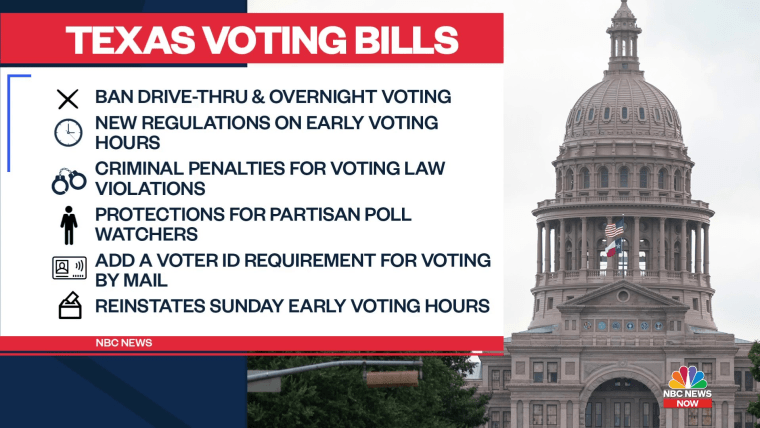
Texas has introduced new rules for early voting that change how voters can cast ballots before Election Day. These rules aim to adjust the voting process and set clearer guidelines for early voting periods.
The new regulations affect when early voting starts and ends, as well as how long polling places must stay open. Voters need to know these changes to plan their voting accordingly and avoid any confusion.
Early Voting Period Adjustments
Early voting now begins earlier than before in most Texas counties. This gives voters more days to visit polling locations. The early voting period generally lasts for 12 days, but some counties may have shorter schedules due to local rules.
Reduced Hours On Certain Days
Polling places must remain open for fewer hours on some early voting days. For example, Saturday voting hours might be shorter than weekdays. This limits voter access on certain days and may cause longer lines.
Identification Requirements During Early Voting
Voters must present an acceptable photo ID at early voting sites. The list of valid IDs remains the same, including driver’s licenses and passports. Poll workers will strictly check IDs before allowing voting.
Curbside voting has new limits under the updated laws. Only voters with disabilities or those who cannot enter the polling place can use curbside voting. This reduces the number of people eligible for this option.
Updated Mail Voting Procedures
Texas has introduced new rules for voting by mail. These changes affect how voters request and submit mail ballots. Understanding the updated mail voting procedures helps voters avoid mistakes and delays.
The new laws aim to enhance security and reduce fraud concerns. They require more detailed verification and stricter deadlines. Texas voters must follow these rules carefully to ensure their votes count.
Mail Ballot Request Deadlines
Voters now must request mail ballots earlier than before. Requests must arrive at least 11 days before Election Day. Late requests will not be accepted, so plan ahead.
Voter Identification Requirements
When requesting a mail ballot, voters must provide valid ID. Acceptable IDs include a Texas driver’s license or a state ID card. This step helps verify the voter’s identity before sending the ballot.
Signature Verification Process
Mail ballots require a signature on the return envelope. Election officials compare this signature to the one on file. Mismatches may lead to the ballot being rejected. Signing clearly and consistently is crucial.
Return Deadlines And Methods
Mail ballots must be returned by Election Day to count. Voters can mail their ballots or drop them off at designated locations. Ballots arriving after the deadline will not be counted.
Restrictions On Curbside Voting
Curbside voting allowed some Texans to cast ballots without leaving their cars. It helped voters with disabilities, seniors, and those with health concerns. New Texas laws now limit this option significantly. These restrictions change who can use curbside voting and how it is offered.
The new rules require stricter proof of eligibility. Voters must show a valid reason to use curbside voting. This means only people with certain disabilities or illnesses qualify. Others must vote inside the polling place.
Who Qualifies For Curbside Voting?
Only voters with physical disabilities or illnesses can use curbside voting now. Texas law defines these conditions clearly. Voters must inform election workers of their condition. Poll workers may ask for identification or documentation.
New Identification Requirements
Voters using curbside voting must present an approved photo ID. Election staff verify the voter’s identity before allowing curbside voting. This step aims to prevent fraud but adds a hurdle for some voters.
Limits On Polling Locations Offering Curbside Voting
Not all polling sites must offer curbside voting anymore. Counties with fewer resources may reduce curbside services. Voters might need to contact officials ahead to confirm availability.
Impact On Voters Needing Assistance
These restrictions make curbside voting less accessible for some Texans. Voters without the required proof may face challenges casting their ballots. Advocacy groups express concern about reduced voting access for vulnerable groups.
Legal Challenges And Political Impact
The new voting laws in Texas have sparked widespread legal battles and stirred political debate. These changes affect how Texans cast their ballots and challenge long-standing voting practices. The legal challenges question the fairness and accessibility of the new rules.
The political impact is significant. Parties and leaders are adjusting strategies to respond to these new laws. Voter turnout and election outcomes may shift as a result. Understanding these effects helps to grasp Texas’ evolving voting landscape.
Legal Challenges To The New Voting Laws
Several lawsuits have been filed against the new Texas voting laws. Critics argue these laws restrict voter access unfairly. Courts are reviewing claims about voter ID rules and mail-in voting limits. The legal process will determine if parts of the law remain or change.
Effect On Voter Accessibility
The new laws create extra steps for voters, especially minorities and the elderly. Some say these rules make voting harder and reduce participation. Others claim the laws protect election integrity. This debate fuels ongoing legal and political battles.
Political Reactions And Strategy Shifts
Political parties in Texas respond differently to the voting law changes. Some focus on educating voters about new rules. Others push for legislative or legal actions to reverse or alter the laws. Campaign strategies now consider these new voting requirements.
Impact On Future Elections
Future Texas elections may see changes in voter turnout patterns. The laws could influence which groups vote and how often. Election officials must adapt to new procedures. These shifts could affect local and statewide political power.
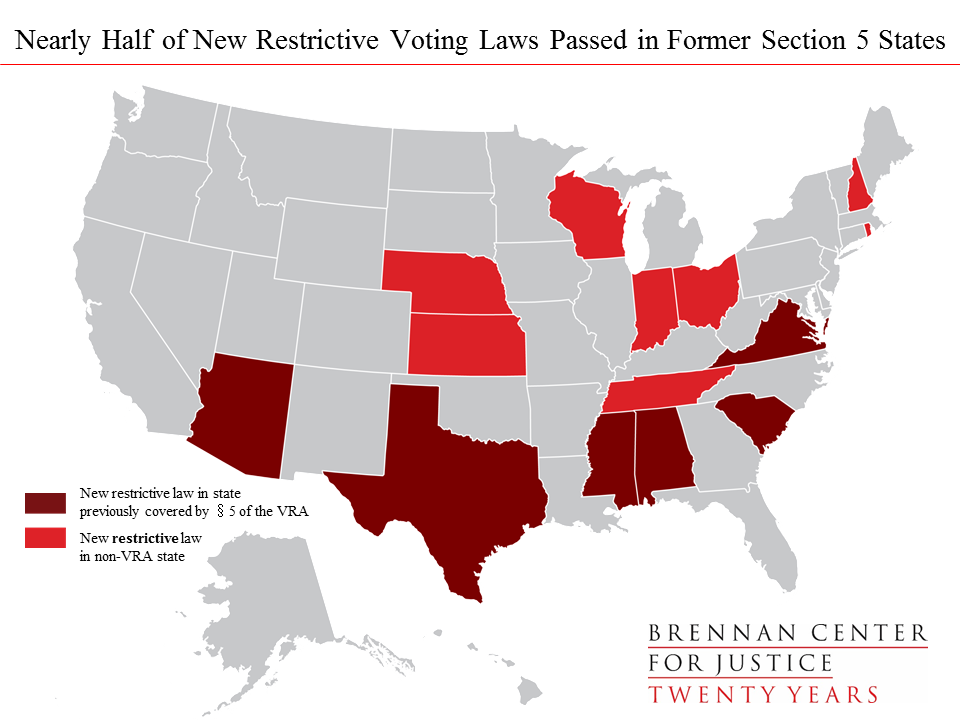
Credit: www.brennancenter.org
Frequently Asked Questions
What Are The Key Changes In Texas Voting Laws For 2024?
Texas now limits curbside voting and tightens mail-in ballot rules. Early voting hours have also been adjusted to new schedules.
How Do New Texas Laws Affect Voter Id Requirements?
Voters must present one of seven approved photo IDs at polling places. This rule applies to all in-person voting to verify identity.
Can Texans Still Vote By Mail Under The New Laws?
Mail voting is allowed but with stricter guidelines and deadlines. Voters need to follow new procedures to ensure their ballots count.
What Impact Do These Laws Have On Voter Accessibility?
Some changes reduce voting options like curbside voting. Early voting remains but with shorter hours, possibly affecting some voters’ convenience.
Conclusion
Texas has changed its voting rules to affect many voters. Early voting times have shifted to new schedules. Mail-in voting now has tighter rules to follow. Curbside voting will see more limits at polling places. Voters must know what ID is accepted to vote.
These changes aim to secure elections but cause concern. Staying informed helps Texans vote without problems or delays. Keep checking official sources for updates before election day. Understanding these laws makes your vote count in Texas.

Ismail Hossain is the founder of Law Advised. He is an Divorce, Separation, marriage lawyer. Follow him.