Lemon Laws in Massachusetts for Used Cars: What Buyers Must Know
Are you thinking about buying a used car in Massachusetts? Before you make that decision, it’s important to know your rights if things go wrong.
What happens if your “new” used car turns out to be a lemon? You might feel stuck with a vehicle that keeps breaking down, costing you time and money. That’s where Massachusetts lemon laws come into play—they’re designed to protect you from getting stuck with a faulty car.
You’ll discover how these laws work, what qualifies as a lemon, and what steps you can take to protect yourself. Keep reading to make sure your next used car purchase doesn’t turn into a costly mistake.
Massachusetts Lemon Law Basics
The Massachusetts Lemon Law helps protect buyers of used cars with serious defects. It offers a way to get a refund or replacement if the car keeps having problems. This law applies to used cars bought or leased in Massachusetts from a dealer.
Understanding the basics of this law can save you time and money. It sets clear rules about what counts as a “lemon” and how to get help.
What Vehicles Are Covered?
The law covers used cars bought or leased from dealers in Massachusetts. It applies to vehicles under seven years old and with less than 75,000 miles. Private sales or vehicles older than this are not covered.
What Problems Qualify?
The car must have a serious defect that affects safety, value, or use. The defect must happen within the first year or 15,000 miles. The dealer must try to fix the problem at least three times, or the car must be out of service for 15 or more days.
How To Start A Claim
Keep all repair records and contact the dealer first. If the problem remains, you can file a claim with the Massachusetts Office of Consumer Affairs and Business Regulation. They help resolve disputes between buyers and dealers.
Coverage For Used Cars
Massachusetts Lemon Laws offer protection not only for new cars but also for used vehicles. These laws help buyers who face serious problems with their used cars shortly after purchase. Knowing what is covered can save you from costly repairs and stress.
The coverage applies to certain used cars that meet specific conditions. It focuses on vehicles that develop major defects affecting safety or use. The law requires the seller to repair these issues or offer a refund.
Which Used Cars Are Covered?
Used cars bought from a dealer in Massachusetts may qualify for Lemon Law protection. The car must be less than seven years old and have fewer than 75,000 miles. Private sales or cars older than seven years do not qualify.
Types Of Defects Covered
The law covers defects that impair the vehicle’s use, value, or safety. Examples include engine problems, transmission issues, and brake failures. Minor or cosmetic defects usually do not qualify for coverage.
Time Limits For Coverage
The Lemon Law coverage lasts for one year or 15,000 miles after purchase, whichever comes first. Defects must appear during this period to be eligible. Buyers should report problems as soon as they occur.
Buyer Rights And Protections
Buying a used car in Massachusetts comes with important rights and protections for buyers. These rules help protect consumers from faulty vehicles. They ensure that buyers do not get stuck with cars that have serious problems. Understanding these rights can save money and stress.
Massachusetts has specific laws to help buyers of used cars. These laws cover issues like defects and warranties. They also set rules for how dealers must act. Knowing your rights means you can speak up if a car has problems.
Massachusetts Used Car Lemon Law Basics
The Lemon Law in Massachusetts protects buyers from serious defects. It applies to used cars bought from dealers. The law covers vehicles that fail to work properly after purchase. Buyers can ask for repairs, refunds, or replacements under this law.
Dealer Responsibilities And Buyer Protections
Dealers must disclose known problems before selling a car. They must provide a warranty for used cars over a certain price. This warranty covers major parts for a limited time. Buyers have the right to ask for repairs if the car breaks down.
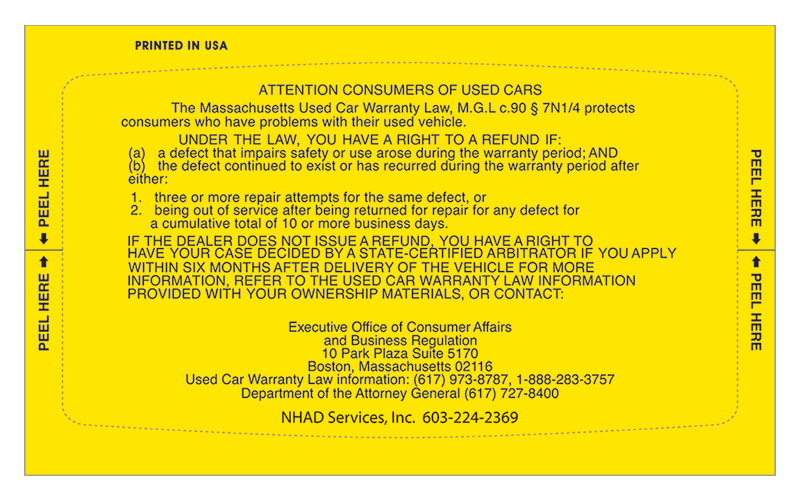
Steps To Take If Your Used Car Is A Lemon
Report the problem to the dealer quickly. Keep all repair records and documents. The dealer must try to fix the problem within a reasonable time. If repairs fail, buyers can seek a refund or replacement. The law offers a clear process for these cases.
Credit: lotdrop.com
Steps To File A Lemon Law Claim
Filing a Lemon Law claim in Massachusetts can help you get a refund or replacement for a faulty used car. The process needs clear steps and careful preparation. Knowing what to do makes it easier to protect your rights.
Start by understanding the rules that apply to your situation. Collect all documents related to your car and repairs. Follow the steps below for a smooth claim process.
Gather All Repair And Purchase Documents
Keep all papers about your car purchase and repairs. This includes the sales contract, repair invoices, and warranty information. These documents prove your car’s problems and repair attempts.
Notify The Dealer Or Manufacturer
Tell the dealer or manufacturer about the car’s issues in writing. Include details like the problem and repair dates. This step is important to show you gave them a chance to fix the car.
Keep Track Of Repair Attempts
Record every visit to the mechanic. Note the dates and what was fixed. Massachusetts Lemon Law requires multiple repair attempts for the same problem.
Consult A Lemon Law Attorney
A lawyer can explain your rights and help with the claim. They know how to handle the legal steps and paperwork. Many offer free consultations to review your case.
File A Formal Lemon Law Claim
Submit your claim through the proper state channels. Include all your documents and evidence. Be clear and detailed to support your case.
Attend The Arbitration Or Hearing
The state may ask for a hearing to decide the claim. Present your facts calmly and clearly. This step helps resolve the dispute without going to court.
Common Challenges And Tips
Buying a used car in Massachusetts can bring unexpected problems. Lemon Laws aim to protect buyers but understanding the rules is not always easy. Many face challenges proving their car is a lemon. Knowing common issues helps prepare for the process. Here are some tips and challenges to keep in mind.
Understanding What Qualifies As A Lemon
Not all car problems make a vehicle a lemon. The defect must significantly affect the car’s use, value, or safety. Minor issues usually do not qualify. Knowing the specific defects covered by Massachusetts Lemon Law is key. Keep detailed repair records to support your claim.
Dealing With Repair Attempts
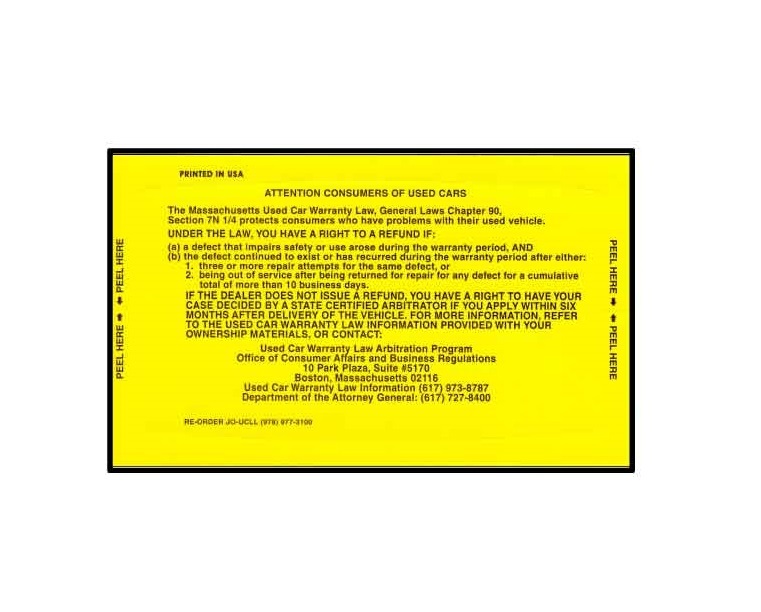
Manufacturers get several chances to fix problems. The law usually requires at least three repair attempts. These repairs must be for the same issue. Keep all repair receipts and notes from mechanics. This documentation shows the problem is persistent and unresolved.
Timing And Notification Requirements
Act fast after buying the car. Lemon Laws apply within a certain time or mileage limit. Notify the dealer or manufacturer about the problem promptly. Delays in reporting can weaken your case. Check deadlines and follow all notification rules carefully.
Working With Dealers And Manufacturers
Some dealers may resist acknowledging a lemon claim. Stay calm and professional in all communications. Request written responses to all claims or complaints. If the dealer refuses to cooperate, consider legal advice. Knowing your rights strengthens your position.
Seeking Legal Help When Needed
Lemon Law cases can get complicated. A lawyer experienced in Massachusetts Lemon Laws can help. They understand the process and paperwork needed. Legal help can improve the chances of a fair resolution. Consult a lawyer early if problems continue.

Credit: greaterbostonautoware.org
Credit: oliverispromotionalsupplies.com
Frequently Asked Questions
What Cars Are Covered By Massachusetts Lemon Laws?
Massachusetts Lemon Laws cover new and certain used cars with serious defects. The defects must significantly affect the vehicle’s use, value, or safety. Usually, the law applies within the first year or 15,000 miles.
How Long Do I Have To Claim Under Lemon Laws?
You typically have one year or 15,000 miles from purchase to file a claim. This period ensures timely reporting of defects to the dealer or manufacturer. Acting quickly helps protect your rights effectively.
Can Lemon Laws Help With Used Car Problems In Massachusetts?
Yes, Massachusetts has specific Lemon Laws for some used cars sold by dealers. These laws protect buyers if the car has major defects that can’t be fixed after several attempts. Private sales usually do not qualify.
What Remedies Are Available Under Massachusetts Lemon Laws?
Buyers may receive a refund, replacement vehicle, or cash compensation. The law requires dealers to fix defects within a reasonable number of repair attempts. If the problem persists, legal action may be an option.
Conclusion
Massachusetts lemon laws protect buyers of used cars with serious defects. Knowing your rights helps you avoid costly problems. Keep all repair records and contact the dealer if issues arise. Acting quickly increases your chance of a refund or replacement.
These laws make buying used cars safer and fairer. Stay informed and protect your investment. Don’t let a faulty car cause stress or loss. Lemon laws give you a way to solve problems. Always check your rights before you buy.

Ismail Hossain is the founder of Law Advised. He is an Divorce, Separation, marriage lawyer. Follow him.