Video Recording Laws in North Carolina: Essential Rules You Must Know
Are you thinking about recording videos in North Carolina? Whether it’s for personal safety, content creation, or just capturing everyday moments, understanding the laws around video recording is crucial.
You don’t want to unknowingly break the rules or face legal trouble. This guide will help you know exactly what’s allowed and what’s not when it comes to video recording in North Carolina. Keep reading to protect yourself and use your camera confidently and legally.
Credit: www.wcnc.com
North Carolina Consent Requirements
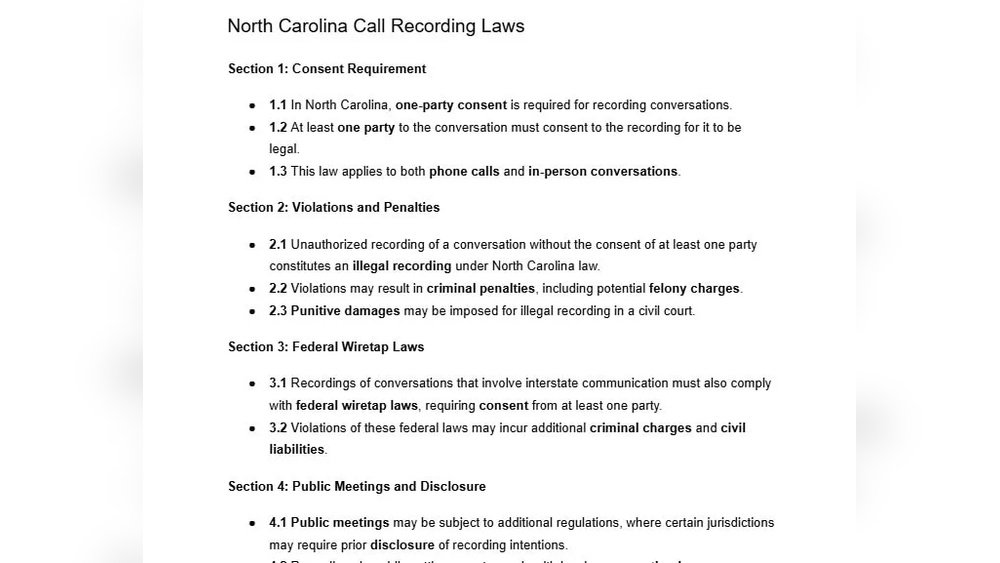
North Carolina has clear rules about recording videos and audio. The law focuses on consent from people involved. Understanding these rules helps avoid legal trouble. The state follows a one-party consent rule.
This means only one person in the conversation must agree to the recording. That person can be the recorder. Others in the conversation do not need to know or agree.
One-party Consent Rule
In North Carolina, one person’s consent is enough. This applies to phone calls and in-person talks. The law protects privacy but allows recording with permission. Secretly recording a conversation you join is legal.
Recording a conversation you do not join is illegal. This rule makes it easier to record calls for proof. Businesses and individuals use this rule often.
Implications For Recording Calls
Only one party must agree to record phone calls. You can record your calls without telling the other person. Use recordings carefully as evidence or proof.
Sharing recordings without permission may cause issues. Avoid posting calls publicly without consent. Respect privacy even if the law allows recording.
Keep recordings secure to protect privacy. Know the law before recording any conversation in North Carolina.

Credit: www.lasorsa.com
Recording In Public Places
Recording videos in public places in North Carolina is generally allowed. People often capture moments for memories or safety. Yet, certain laws protect privacy and personal rights. Knowing these rules helps avoid legal trouble and respect others.
Public spaces mean areas open to everyone, like parks, streets, or stores. But not all public recording is the same. Some rules limit where and what you can record. Understanding these limits is important for every videographer.
Expectations Of Privacy
People have less privacy in public places. If you are in a park or on a sidewalk, you cannot expect full privacy. Recording is usually legal in these spaces. However, privacy expectations change indoors or in private property open to the public.
Private spaces inside public buildings may limit video recording. Bathrooms, dressing rooms, and medical areas always have privacy protection. Recording in these places can break the law. Respecting privacy helps avoid legal issues and conflicts.
Permitted Public Recording Scenarios
Recording public events like protests, parades, or sports games is allowed. These events happen in open spaces where people expect to be seen. Filming for news or personal use is legal here. Still, respect others and avoid harassment.
Recording public officials or police officers performing their duties is permitted. These videos can help hold people accountable. But interfering with officials or breaking rules during recording is illegal. Stay safe and follow local guidelines when filming in public.
Private Property Recording Rules
Recording videos on private property in North Carolina has clear rules. These rules protect privacy and property rights. Understanding them helps avoid legal trouble. The law sets limits on what you can record and where.
Owner Permission
Always get the property owner’s permission before recording. Without permission, recording is usually illegal. This rule applies to homes, businesses, and land. Permission means the owner agrees to let you record. If you record without consent, you could face legal action.
Restrictions On Surveillance
Surveillance cameras have limits on private property. Cameras cannot record inside private areas like bathrooms or bedrooms. Recording audio without consent is often prohibited. The law also stops recording in places where people expect privacy. Respecting these limits protects everyone’s rights.

Credit: www.bluedothq.com
Use Of Video Evidence In Court
Video evidence plays a crucial role in many court cases in North Carolina. It helps judges and juries see what happened during an event. Videos can show actions clearly, sometimes better than words alone.
Using video evidence can support or challenge witness statements. It offers a visual record that can clarify facts. Courts carefully review such evidence before accepting it.
Admissibility Standards
North Carolina courts have rules to decide if video evidence is allowed. The video must be relevant to the case. It should help prove or disprove a fact.
The video must be clear and not edited in a way that changes its meaning. Courts also check if the video was recorded legally. Videos taken without consent in private places may be excluded.
Chain Of Custody Importance
Chain of custody shows how the video was handled after recording. It tracks who had the video and how it was stored. This process prevents tampering or loss.
Courts require proof that the video is the same as when it was recorded. Any break in the chain may cause the evidence to be rejected. Proper handling ensures the video remains trustworthy.
Penalties For Illegal Recording
North Carolina has strict rules about video recording. Breaking these rules can lead to serious trouble. The penalties protect people’s privacy and stop illegal spying. Understanding these penalties helps you stay safe and follow the law.
Criminal Charges
Illegal video recording can lead to criminal charges in North Carolina. The law treats secret recording as a felony. This means you could face jail time or heavy fines. The exact penalty depends on the situation and severity. Police take these crimes seriously to protect privacy rights.
Even one illegal recording can trigger an investigation. Convictions may result in probation or prison. The court looks at evidence carefully before deciding. Always avoid recording without permission in private places.
Civil Liability
Victims of illegal recording can sue for damages. Civil cases can require you to pay money. This covers emotional distress and invasion of privacy. The law allows victims to seek justice through courts. Civil penalties can add to criminal punishments.
Businesses and individuals must be careful with video recording. Unauthorized recordings can lead to costly lawsuits. Respecting privacy avoids legal trouble and protects your reputation. Knowing the rules helps everyone stay safe.
Best Practices For Legal Recording
Recording videos in North Carolina requires careful attention to the law. Following best practices helps keep recordings legal and respectful. These steps protect your rights and others’ privacy. They also prevent problems later.
Informing Parties
Tell everyone involved that you are recording. North Carolina is a one-party consent state, but honesty is best. Informing others builds trust and avoids surprises. Say clearly you will record the conversation or event. This simple step helps avoid legal trouble and keeps communication open.
Storing And Handling Recordings
Keep your recordings safe and private. Use secure devices or cloud services with passwords. Avoid sharing files without permission. Delete recordings that are no longer needed. Proper handling stops unauthorized access and respects privacy. Protect recordings as you would protect sensitive information.
Frequently Asked Questions
Is Video Recording Legal In Public Places In North Carolina?
Yes, video recording in public places is generally legal in North Carolina. People have no reasonable expectation of privacy in public areas. Recording is allowed as long as it does not invade private property or break other laws.
Can I Record Audio With Video Without Consent In North Carolina?
North Carolina is a one-party consent state. This means you can record audio if you are part of the conversation. Recording others without their knowledge when you are not involved is illegal.
Are Hidden Cameras Allowed For Video Recording In North Carolina?
Using hidden cameras is legal only in places where people do not expect privacy. It is illegal to record in bathrooms, changing rooms, or private homes without permission. Always check local laws before using hidden cameras.
Can Video Recordings Be Used As Evidence In North Carolina Courts?
Yes, video recordings can be used as evidence if they are legally obtained. The recording must not violate privacy or wiretapping laws. Courts often accept video as proof in criminal and civil cases.
Conclusion
Knowing North Carolina’s video recording laws helps you stay safe and legal. Always respect others’ privacy when recording. Understand when you need consent and where recording is allowed. Breaking these laws can lead to serious trouble. Stay informed and use your recordings responsibly.
This protects your rights and others’ too. Keep these rules in mind before you record. It makes a big difference in everyday situations. Simple steps prevent problems and keep you out of legal issues.

Ismail Hossain is the founder of Law Advised. He is an Divorce, Separation, marriage lawyer. Follow him.