Window Tinting Laws in North Carolina: What You Need to Know
Are you thinking about tinting your car windows in North Carolina? Before you get started, it’s important to know the rules that could affect you.
Window tinting laws in North Carolina aren’t just suggestions—they’re legal requirements you must follow. Understanding these laws can save you from costly fines and help keep you safe on the road. You’ll find clear and simple answers about what’s allowed, what’s not, and how to make sure your tint is both stylish and legal.
Keep reading to protect yourself and your vehicle today.
North Carolina Tinting Limits
North Carolina has specific rules about how dark window tint can be. These rules help drivers stay safe while allowing some privacy and sun protection. Understanding these limits keeps you within the law and avoids fines.
Each window on a car has different tinting limits. These limits control how much light can pass through the glass. The goal is to keep visibility clear for both drivers and law enforcement officers.
Front Side Windows
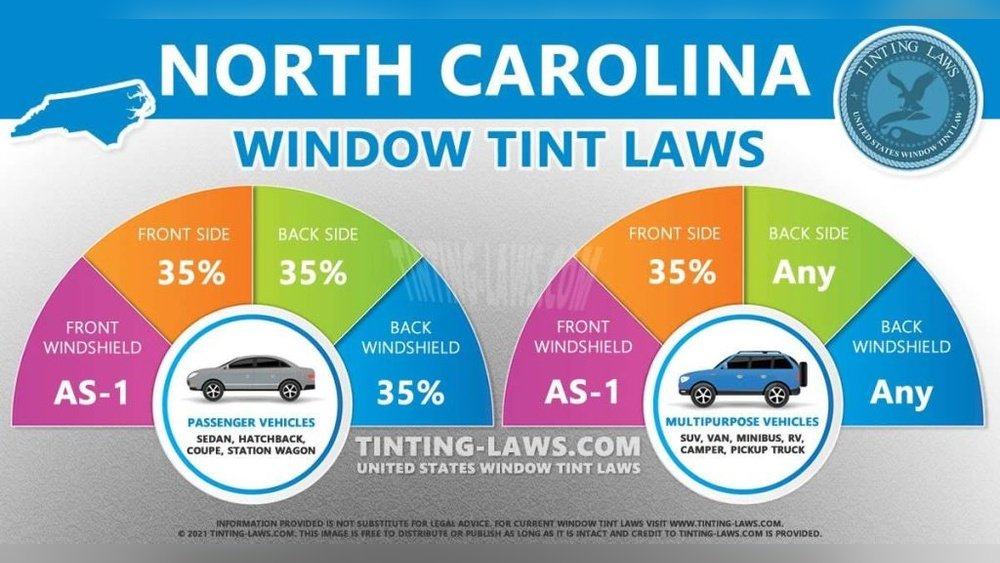
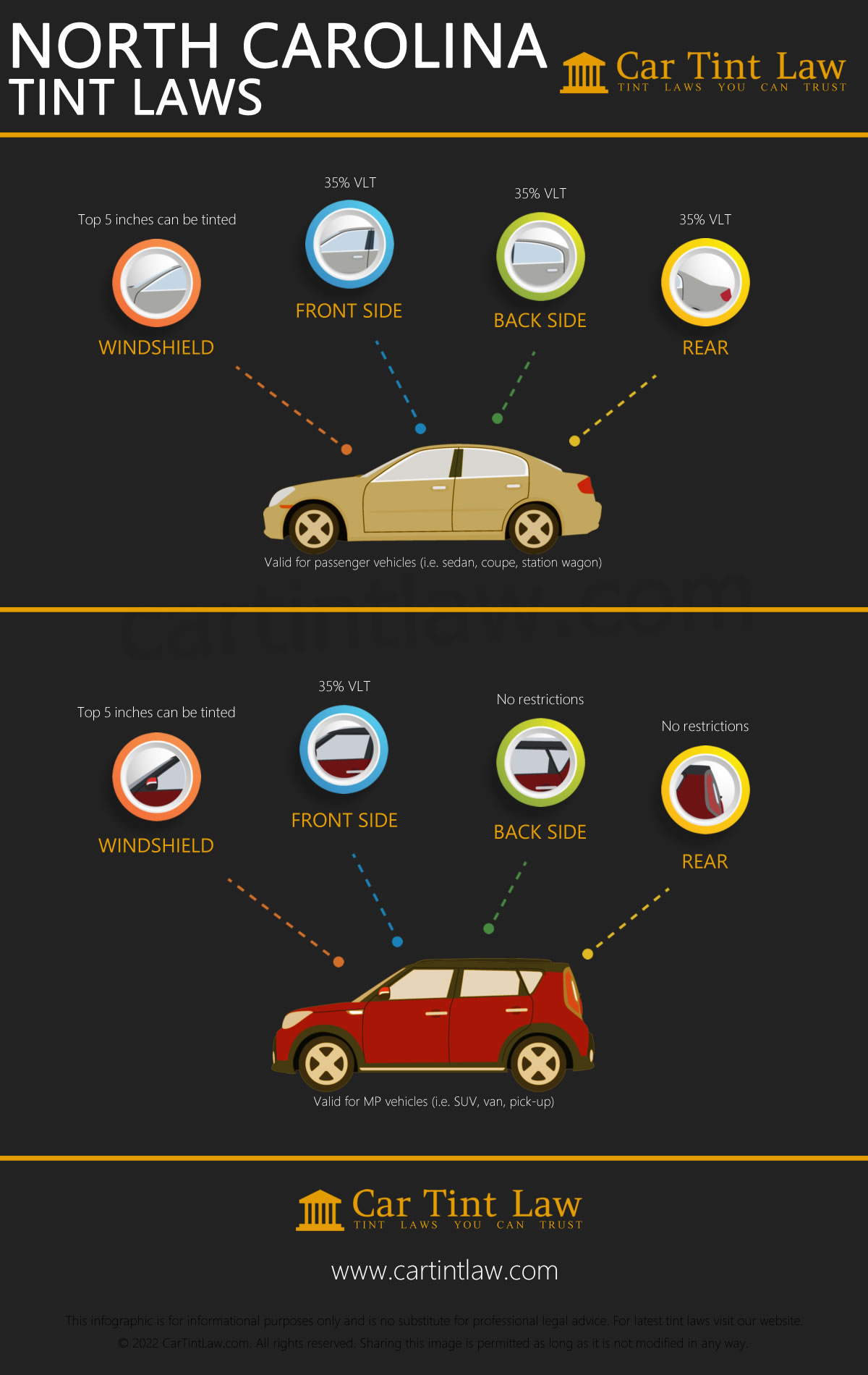
The front side windows must allow more light than other windows. The tint on these windows can block up to 30% of light. This means at least 70% of outside light must pass through the tint.
Rear Side Windows
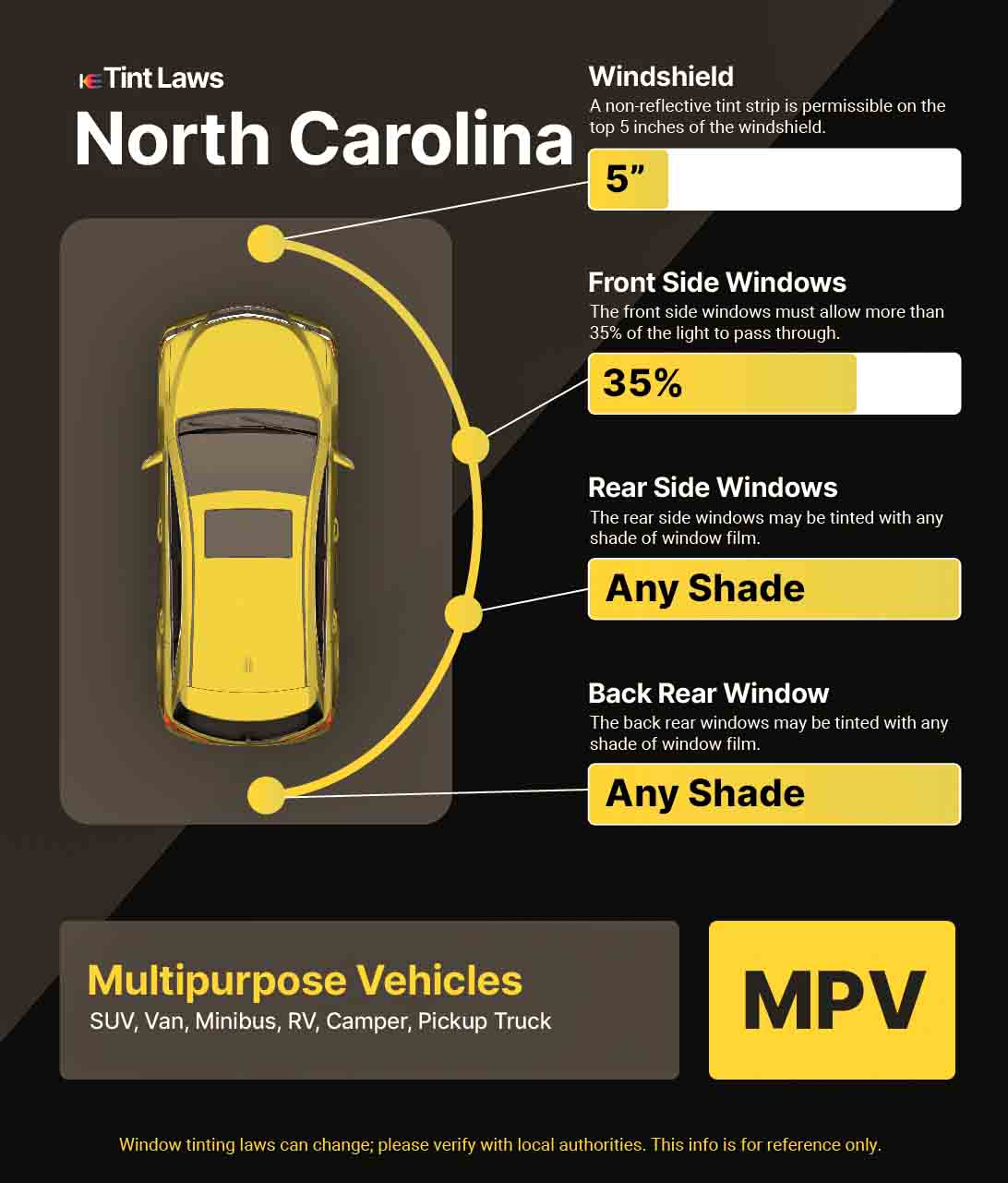
The rear side windows have looser rules. You can use darker tint on these windows. There is no specific light transmission limit set by law for rear side windows.
Rear Window
The rear window also has no strict limit. Darker tint is allowed here as well. Some drivers use this for extra privacy and heat protection.
Windshield
The windshield has the strictest rules. Tint is only allowed on the top few inches. This strip is called the AS-1 line and helps reduce glare from the sun.
Credit: www.cartintlaw.com
Types Of Windows Covered
North Carolina has specific rules about which car windows can be tinted. These rules help keep drivers safe and ensure clear visibility. Understanding the types of windows covered by the tinting laws is important for every vehicle owner.
Front Side Windows
The front side windows are the glass panels on the driver and passenger doors. North Carolina law requires these windows to allow more light through than the rear windows. This means the tint must be lighter here to keep visibility high for safety.
Rear Side Windows
Rear side windows are behind the front doors on most cars. The state allows darker tint on these windows compared to the front side. This offers more privacy and reduces glare for backseat passengers.
Rear Window
The rear window is the large glass at the back of the car. North Carolina permits darker tint on this window, similar to the rear side windows. This helps block sunlight and keeps the car cooler inside.
Windshield
The windshield is the front glass panel that faces the road. Tinting rules here are strict. Only a small strip at the top of the windshield may have tint. This area is called the sun strip and helps reduce sun glare.
Medical Exemptions
North Carolina has specific rules about window tinting on vehicles. These rules protect drivers and passengers by controlling how dark the tint can be. But some people need darker tints for medical reasons. The state allows exceptions for these cases under medical exemptions.
Medical exemptions let drivers use darker tints than usual. This helps protect sensitive skin or eyes from sunlight. The law requires proof from a doctor to qualify for these exemptions.
Who Qualifies For Medical Exemptions?
People with certain skin conditions or eye problems may qualify. Conditions like lupus, albinism, or severe sun allergies often need extra protection. A doctor must confirm the condition and recommend darker tinting.
How To Get A Medical Exemption In North Carolina
First, get a note from your doctor explaining the need for tint. The note should describe your condition clearly. Then, submit the note to your local DMV office. They will review your request and issue a special permit if approved.
Limits On Medical Exemptions
Even with an exemption, there are limits on tint darkness. The law sets maximum allowed tint levels for medical cases. The tint cannot block too much light to keep roads safe for everyone.
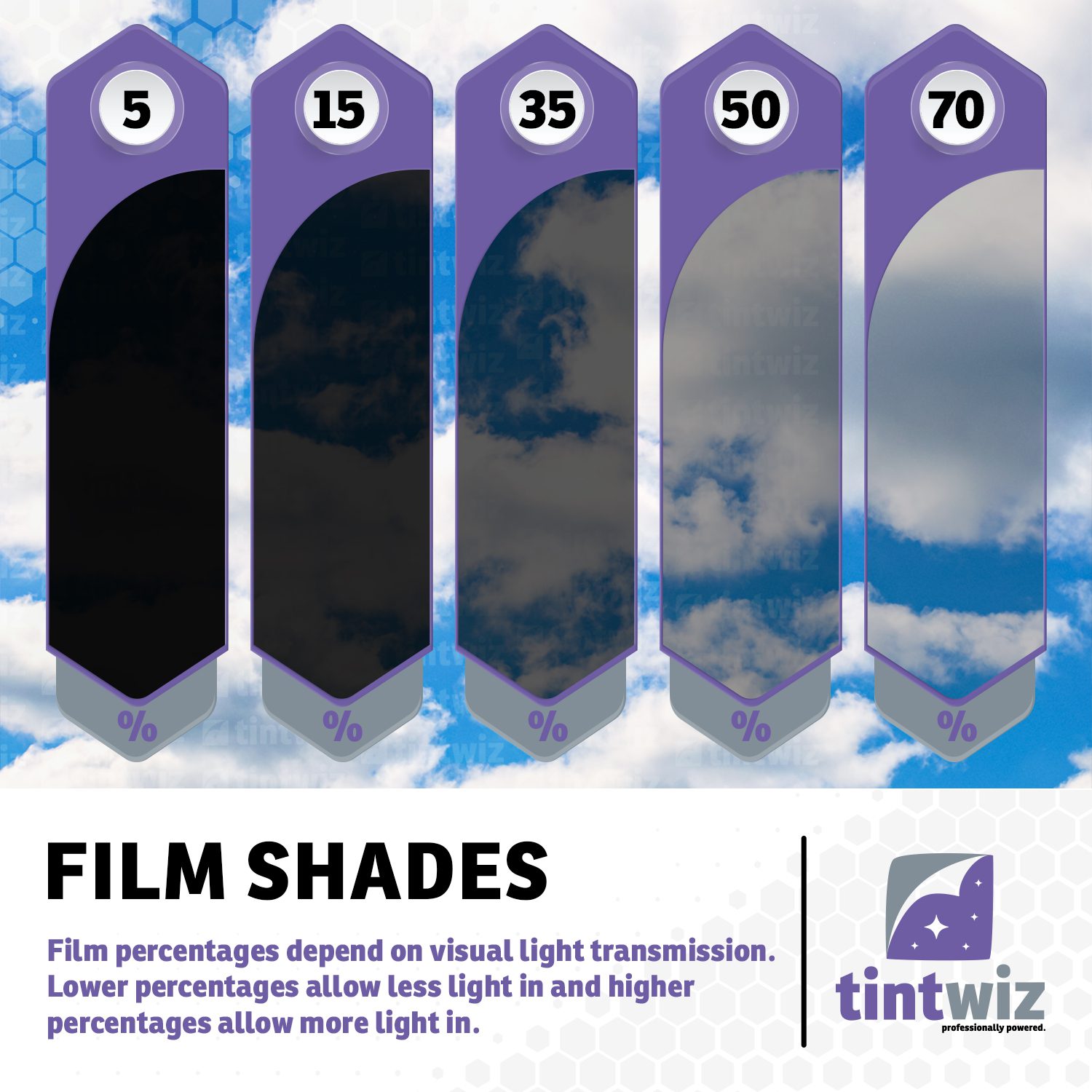
Credit: tintwiz.com
Penalties For Violations
Violating window tinting laws in North Carolina can lead to serious consequences. The state enforces strict rules on how dark or reflective your vehicle’s tint can be. Breaking these laws may result in fines and other penalties. Understanding these penalties helps keep you safe and legal on the road.
Fines For Illegal Window Tinting
The most common penalty is a fine. North Carolina officers may issue a ticket if your tint is too dark. Fines vary but usually start around $100. Repeat offenses can increase the cost. Paying the fine does not fix the problem. You must also remove or replace the illegal tint.
Vehicle Inspection Issues
Illegal tint can cause your vehicle to fail state inspections. You will need to remove the tint before passing. Without passing inspection, your car cannot be legally driven. This may cause added expenses and inconvenience. Keep your tint within legal limits to avoid this trouble.
Warnings And Citations
Police officers may give warnings for minor violations. Warnings remind you to comply with the law quickly. Citations are more serious and require action. Ignoring citations may lead to higher fines or court appearances. Take all warnings and citations seriously to avoid bigger problems.
Benefits Of Legal Tinting
Legal window tinting offers many advantages for drivers and passengers. It improves comfort, safety, and privacy while following North Carolina laws. Choosing the right tint helps avoid fines and other problems.
Improved Comfort Inside The Car
Legal tint reduces the heat inside your vehicle. It blocks sunlight that makes the car hot. Cooler temperatures make driving more pleasant on sunny days. It also lowers the need to use air conditioning too much.
Protects Skin And Eyes
Window tint blocks harmful ultraviolet (UV) rays from the sun. UV rays can damage skin and cause eye strain. Tinting keeps you and your passengers safer from these risks.
Enhances Privacy And Security
Legal tint gives privacy by limiting what others see inside the car. It also helps protect belongings from being visible to thieves. This adds a layer of security to your vehicle.
Prevents Interior Damage
Sunlight fades car seats, dashboard, and other surfaces. Tinting slows down this damage by blocking UV rays. Your car’s interior stays new for a longer time.
Follows The Law And Avoids Penalties
Legal tint means you meet North Carolina’s window tint rules. This helps you avoid fines and legal issues. It keeps your vehicle safe and street-legal.
Credit: kepler-dealer.com
Tips For Choosing Tint
Choosing the right window tint is important for safety and legal reasons. North Carolina has specific rules about how dark your tint can be. It is smart to pick a tint that follows these rules but also meets your needs for comfort and privacy.
Understanding the different types of tint and their benefits helps you make a better choice. Consider the material, darkness, and warranty before you decide. Here are some tips to guide you through the process.
Check North Carolina Tinting Laws
Know the legal limits for window tint in North Carolina. The front side windows must allow more light than the back. Make sure the tint you pick does not break these rules. This avoids fines and trouble with the police.
Pick The Right Shade
Choose a tint shade that balances privacy and visibility. Darker tints block more light but may not be legal. Lighter tints offer some protection and let in more light. Think about your daily driving needs and safety.
Consider Heat And Uv Protection
Good window tint can reduce heat and block harmful UV rays. This keeps your car cooler and protects your skin. Look for tints with high UV protection ratings. This adds comfort and prevents interior damage.
Choose Quality Materials
Invest in high-quality tint films that last longer. Cheap tints may bubble or fade quickly. Quality tints keep their look and function over time. Ask about warranties before you buy.
Think About Installation
Professional installation ensures the tint fits perfectly. Poor installation causes bubbles and peeling. Find a trusted installer who knows North Carolina laws. A good job means your tint stays in place and looks great.
Frequently Asked Questions
What Is The Legal Tint Limit For Front Side Windows In North Carolina?
North Carolina law allows a minimum of 35% visible light transmission on front side windows. This means the tint must let in at least 35% of outside light.
Are There Special Tint Rules For Rear And Back Windows?
Yes, rear and back windows can have any darkness of tint. No minimum light transmission is required for these windows.
Can Medical Reasons Allow Darker Tint On Front Windows?
Yes, medical exemptions exist for darker front window tint. A doctor’s note must be shown to law enforcement.
What Happens If My Window Tint Breaks North Carolina Laws?
You may get a ticket or fine for illegal tint. You might need to remove or replace the tint to comply.
Conclusion
Knowing North Carolina’s window tint laws helps you avoid fines and trouble. Keep your tint within legal limits. Dark tints can block visibility and cause safety risks. Clear understanding protects you and others on the road. Always check your state’s rules before tinting your windows.
Stay safe, follow the law, and enjoy your ride comfortably.

Ismail Hossain is the founder of Law Advised. He is an Divorce, Separation, marriage lawyer. Follow him.