Pocket Knife Laws in North Carolina: What You Need to Know Today
Are you carrying a pocket knife in North Carolina? You might think it’s simple, but the laws around pocket knives can be tricky.
Knowing what’s allowed and what’s not can save you from unexpected trouble. This guide breaks down the key rules you need to follow so you can carry your knife confidently and legally. Keep reading to protect yourself and stay informed.
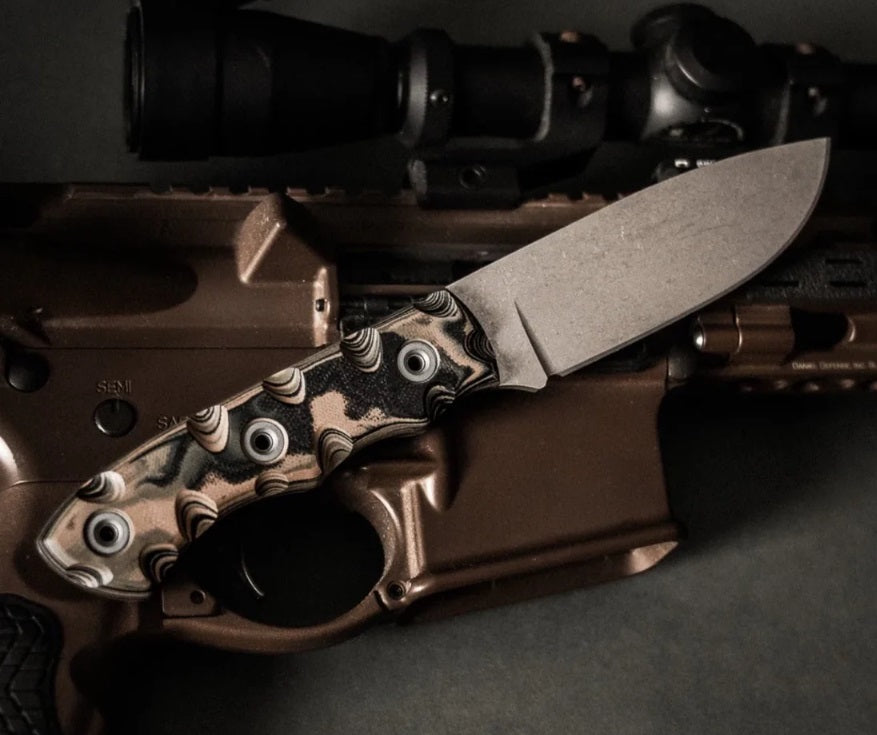
Credit: www.tkellknives.com
Legal Blade Length Limits
Understanding the legal blade length limits for pocket knives in North Carolina is important. These laws help keep everyone safe. They also tell what kind of knives people can carry in public.
North Carolina has clear rules about how long a knife blade can be. Knowing these rules can prevent trouble with the law. Let’s explore the details.
Maximum Allowed Blade Length
In North Carolina, the maximum blade length for a pocket knife is 4 inches. Any knife with a blade longer than this is considered a weapon. Carrying such a knife in public can lead to legal trouble.
Exceptions For Certain Types Of Knives
Some knives have different rules. Hunting knives or tools used for work may have longer blades. These exceptions depend on where and why you carry the knife.
Blade Length And Concealed Carry
Carrying a knife with a blade longer than 4 inches concealed is illegal. Open carry rules may be different. Always check the law before carrying a knife hidden on your body.

Credit: www.carved.com
Types Of Allowed Pocket Knives
Pocket knives are popular tools in North Carolina. They serve many purposes, from everyday tasks to outdoor activities. Knowing which types of pocket knives are allowed is important. This helps avoid legal trouble and ensures safe use.
North Carolina law permits certain pocket knives. These knives must meet specific rules about size and design. Understanding the allowed types helps you choose the right knife.
Folding Pocket Knives
Folding knives are the most common type allowed. Their blades fold into the handle, making them safe to carry. The blade length usually must be under a certain size. These knives are practical and easy to carry in a pocket.
Non-locking Pocket Knives
Non-locking knives are also legal. These knives do not lock the blade when open. This type is simpler but requires careful handling. Many people prefer them for light tasks and daily use.
Locking Pocket Knives
Locking pocket knives can be allowed with restrictions. The blade locks in place when open, adding safety during use. North Carolina law limits the blade length and where these knives can be carried. Always check local rules before carrying one.
Assisted Opening Knives
Assisted opening knives have a mechanism to help open the blade. North Carolina law treats them like regular folding knives. They must meet the same blade length limits. These knives open quickly and are popular for convenience.
Switchblades And Automatic Knives
Switchblades and automatic knives are mostly illegal in North Carolina. These knives open automatically with a button or switch. Carrying or selling these knives can lead to serious penalties. Avoid these types to stay within the law.
Carrying Restrictions And Locations
North Carolina has specific rules about carrying pocket knives. Knowing these rules helps you avoid trouble. The laws focus on where and how you can carry your knife. Some places limit carrying knives, even small ones.
Understanding these restrictions is important. They protect everyone’s safety. Let’s explore where you can and cannot carry a pocket knife in North Carolina.
Carrying Pocket Knives In Public Places
You can carry a pocket knife in most public places. There is no size limit for folding knives. These knives are allowed if they open with one hand. You cannot carry knives with blades longer than 4 inches openly. Concealed carrying of knives over 4 inches is not allowed.
Restrictions In Schools And Government Buildings
Carrying any pocket knife inside schools is illegal. This includes public and private schools. Government buildings like courthouses also ban knives. Security checks often enforce these rules strictly. Breaking these rules can lead to fines or arrest.
Knives In Bars And Private Property
Bars and clubs may ban knives on their property. Owners set their own rules here. Always ask permission if unsure. Private property owners can refuse carrying knives. Respecting these rules avoids conflicts and legal problems.

Credit: nobliecustomknives.com
Age Requirements And Permissions
Understanding age rules for pocket knives in North Carolina is important. The law sets clear limits on who can carry and use these knives. Age requirements help keep everyone safe, especially young people.
North Carolina law aims to prevent misuse by minors. It defines who may legally own or carry pocket knives. Knowing these rules stops legal problems and promotes responsible use.
Minimum Age To Carry A Pocket Knife
In North Carolina, there is no specific minimum age to own a pocket knife. Still, minors should use knives only under adult supervision. Carrying knives in public might be restricted for those under 18. This rule helps avoid dangerous situations and accidents.
Permissions For Minors Using Pocket Knives
Minors may carry pocket knives at school only with permission. Schools often have strict rules about knives on campus. Parents and guardians should teach safe handling. Responsible use reduces risks and supports legal compliance.
Exceptions For Certain Activities
Young people can carry pocket knives during hunting or camping trips. These exceptions require adult supervision or consent. Outdoor activities often need tools like knives for safety and utility. The law recognizes these practical uses while ensuring safety.
Penalties For Violations
Violating pocket knife laws in North Carolina can lead to serious consequences. The state enforces rules to keep people safe. Breaking these rules results in fines, confiscation, or even jail time. Understanding the penalties helps avoid trouble with the law.
Criminal Charges For Illegal Carry
Carrying a pocket knife in restricted places may cause criminal charges. Charges can range from misdemeanors to felonies. The severity depends on the knife type and location. Penalties often include fines and possible jail sentences.
Fines And Confiscation
Offenders may face fines for breaking knife laws. The amount varies by the offense severity. Law enforcement can also take away the knife. Confiscated knives are not returned in most cases.
Impact On Criminal Record
Conviction for knife law violations adds a mark to your record. This can affect job opportunities and background checks. A criminal record can stay for years, limiting future chances.
Possible Jail Time
Some violations lead to jail time, especially repeat offenses. Jail terms can last days or months depending on the crime. Courts take knife-related crimes seriously to protect the public.
Tips For Responsible Pocket Knife Use
Using a pocket knife responsibly keeps you and others safe. It helps you follow North Carolina laws clearly. Simple habits make a big difference in how you carry and use your knife.
Always check local rules before carrying a pocket knife. Knowing the laws helps avoid trouble. Use your knife only for its intended purpose. Avoid showing it to scare or threaten anyone.
Keep Your Pocket Knife Clean And Sharp
A clean and sharp knife works better and is safer. Dirt can cause the blade to stick or slip. A dull blade needs more force, which can lead to accidents. Clean your knife after use and sharpen it regularly.
Store Your Pocket Knife Safely
Store your knife in a secure place. Use a sheath or case if you have one. Keep it out of reach of children. Safe storage prevents accidents and loss.
Open And Close Your Knife Carefully
Open the blade slowly and fully lock it in place. Closing it gently avoids cutting your fingers. Practice safe handling to prevent injuries. Never try to catch a falling knife.
Use Your Pocket Knife Only When Necessary
Use your knife for tasks like cutting rope or opening boxes. Avoid using it for prying or other unsafe actions. A pocket knife is a tool, not a toy or weapon.
Respect Others Around You
Keep your knife hidden in public places. Do not flash or wave it. Respect others’ comfort and safety. Responsible use builds trust and avoids conflicts.
Frequently Asked Questions
What Are The Legal Blade Length Limits For Pocket Knives In North Carolina?
North Carolina law does not set a specific blade length limit for pocket knives. Carrying a folding knife with a blade under 3. 5 inches is generally allowed. Restrictions apply mainly to concealed or dangerous weapons.
Can I Carry A Pocket Knife Openly In Public Places?
Open carry of pocket knives is usually legal in North Carolina. The knife must not be carried with intent to harm or threaten others. Certain places like schools or government buildings may prohibit knives.
Are There Any Age Restrictions For Carrying Pocket Knives?
There is no statewide age limit for carrying pocket knives in North Carolina. Some local areas may have rules for minors. Parental guidance is advised when young people carry knives.
Is It Legal To Carry A Pocket Knife In A Vehicle?
Carrying a pocket knife in a vehicle is allowed if the knife is not used unlawfully. The knife should be stored safely and not drawn without reason. Laws focus on intent rather than mere possession.
Conclusion
Knowing North Carolina’s pocket knife laws helps you stay safe and legal. Carry only knives allowed by state rules. Avoid trouble by understanding blade length limits and where knives can go. Keep your knife use responsible and respectful. Following these guidelines makes carrying easier and worry-free.
Stay informed, stay prepared, and carry with care.

Ismail Hossain is the founder of Law Advised. He is an Divorce, Separation, marriage lawyer. Follow him.