Concealed Carry Laws in North Carolina: Essential Guide for 2026
If you carry a concealed weapon in North Carolina or plan to, understanding the state’s laws is crucial. Knowing what you can and cannot do will protect you from legal trouble and keep you safe.
This guide breaks down everything you need to know about concealed carry laws in North Carolina, so you can feel confident and informed. Keep reading to learn how to stay within the law and protect your rights effectively.

Credit: www.usconcealedcarry.com
North Carolina Concealed Carry Basics
North Carolina has clear rules about carrying a concealed handgun. Knowing these basics helps people stay safe and follow the law.
Every state has different laws. North Carolina’s laws are specific and must be understood well.
What Is Concealed Carry?
Concealed carry means carrying a gun in a hidden way. The gun is not visible to others.
People carry guns concealed for protection. It is legal with the right permit.
Who Can Get A Permit?
Adults who are at least 21 years old can apply for a permit.
Applicants must pass a background check. They must not have serious criminal records.
Training on gun safety is required before applying.
How To Apply For A Permit
Applications go to the local sheriff’s office. The process includes submitting forms and fees.
The sheriff reviews the application and runs a background check. This usually takes 30 days.
If approved, the permit lasts for five years.
Where Can You Carry?
Permit holders can carry a concealed gun in most public places.
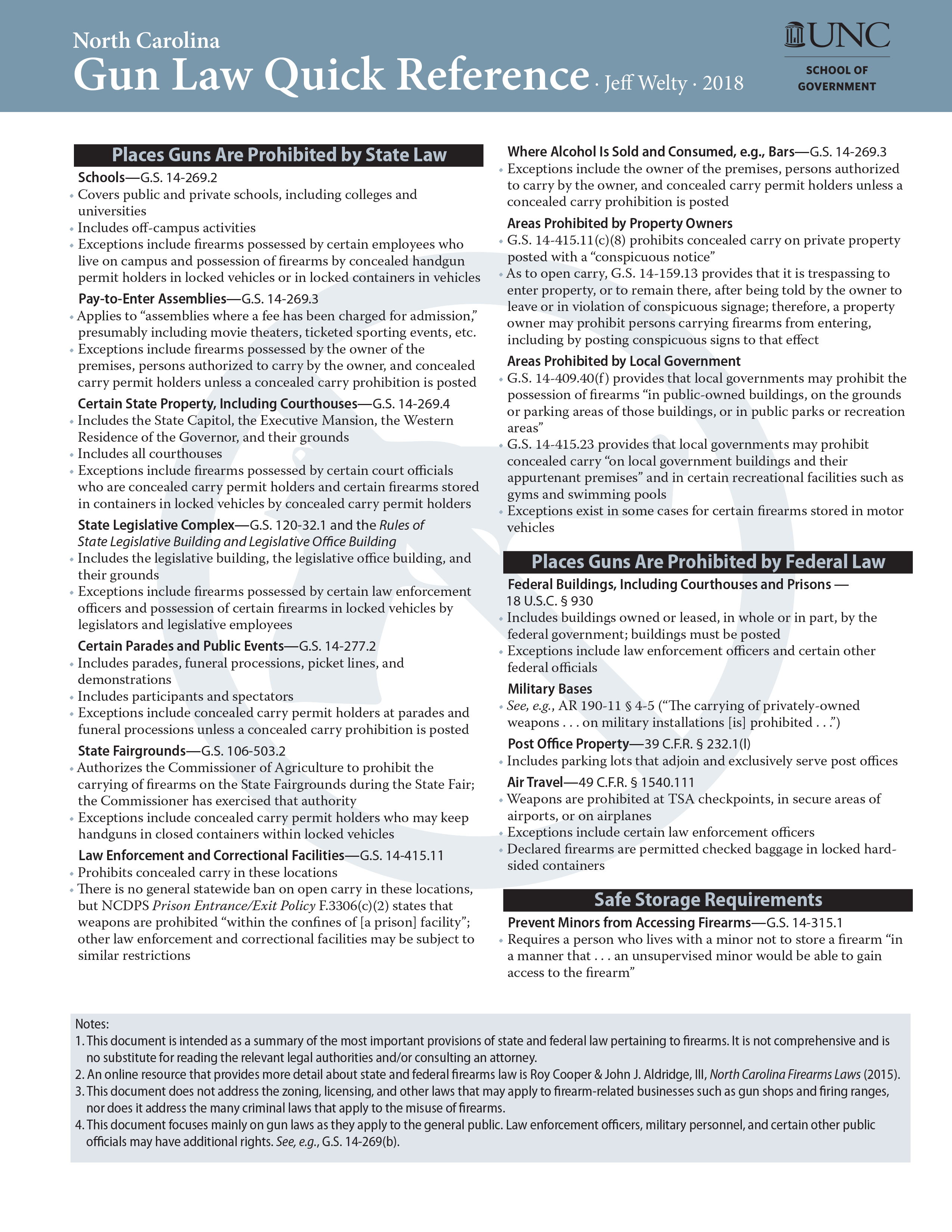
Some places are off-limits. These include schools, government buildings, and private properties that ban guns.
Carrying a gun in restricted areas can lead to penalties.
Credit: www.handgunlaw.us
Eligibility Requirements
Understanding eligibility requirements is crucial for obtaining a concealed carry permit in North Carolina. The state has clear rules that must be met before applying for a permit. Meeting these rules ensures that only responsible individuals carry concealed weapons.
These requirements help keep communities safe and ensure lawful use of firearms. Below are the main eligibility points every applicant should know.
Age Requirements
Applicants must be at least 21 years old to apply for a concealed carry permit. This age limit helps ensure maturity and responsibility. No exceptions exist for younger applicants.
Residency Requirements
Applicants must live in North Carolina or have a valid reason to carry there. This includes military personnel stationed in the state. Proof of residency is required during the application process.
Background Check And Criminal Record
A clean criminal record is essential. Certain convictions, like felonies or violent crimes, disqualify applicants. The state performs a thorough background check before approval.
Training And Firearm Safety
Applicants must complete an approved firearm safety course. This training covers safe handling and state laws. Certificates of completion are mandatory for the application.
Application Process And Fees
The application process for a concealed carry permit in North Carolina is straightforward but requires careful attention. Applicants must follow specific steps to meet state requirements. Understanding the process helps avoid delays and ensures a smooth application.
Fees are an important part of applying. They cover background checks and administrative costs. Knowing the fee structure helps applicants prepare financially for the permit.
How To Apply For A Concealed Carry Permit
Applicants must apply in person at their local sheriff’s office. They need to bring a valid photo ID and proof of residency. The sheriff will provide the application form and guide the applicant.
Applicants must complete a firearms safety training course. This course teaches safe handling and storage of firearms. Proof of course completion is required with the application.
Required Documentation
Applicants must submit a filled application form. A government-issued photo ID is necessary. Proof of residency, such as a utility bill, must be shown.
Applicants must also provide fingerprints. These are used for a background check. The sheriff’s office usually assists with fingerprinting.
Application Fees And Payment Methods
The application fee for a concealed carry permit is $80. This fee covers processing and background checks. Some counties may charge extra fees for fingerprinting.
Payment can be made by cash, check, or money order. Credit card payments depend on the sheriff’s office. It is best to confirm accepted payment methods in advance.
Processing Time And Permit Validity
Processing usually takes 30 to 45 days. This includes time for background checks and approvals. Applicants will be notified when the permit is ready.
The permit is valid for five years. Renewal requires a new application and fee. Renewal also needs updated fingerprints and safety training proof.
Places Off Limits For Concealed Carry
Carrying a concealed weapon in North Carolina comes with strict rules about where you cannot bring your gun. These laws help keep certain places safe and secure. Knowing where you cannot carry a concealed weapon is very important for all gun owners.
Some places have special rules that ban guns entirely. It is your responsibility to follow these laws to avoid serious trouble. Let’s look at the main locations where concealed carry is not allowed in North Carolina.
Schools And School Property
No guns are allowed on public or private school grounds. This includes playgrounds and school events. The law aims to protect children and staff from any possible harm.
Government Buildings
Many government buildings ban concealed weapons. This includes courthouses and city halls. Security checks often enforce this rule at entrances.
Places Serving Alcohol
Bars and restaurants that sell alcohol cannot allow concealed guns. The ban applies if alcohol is served and consumed on the premises. Safety is the main reason for this restriction.
Private Property With Posted Signs
Property owners can ban guns on their land. They must post clear signs to show this rule. Respecting these signs is required by law.
Airports And Airplanes
Concealed weapons are not allowed inside airport terminals or on planes. This rule helps keep air travel safe. Security staff will check for weapons during screening.
Reciprocity With Other States
North Carolina recognizes concealed carry permits from some other states. This is called reciprocity. It means permit holders from certain states can carry concealed weapons in North Carolina legally. Knowing which states have reciprocity is important for travelers and residents alike.
Reciprocity agreements are not the same for every state. Some states have full reciprocity, while others have limited or no recognition at all. Always check the current list before carrying a concealed weapon in North Carolina.
States With Full Reciprocity
North Carolina fully honors concealed carry permits from many states. Permit holders from these states can carry concealed weapons just as North Carolina residents can. This helps people who travel often or move between states.
States With Limited Reciprocity
Some states have limited reciprocity with North Carolina. This means only certain permits or conditions are accepted. It is crucial to understand these limits to avoid legal trouble. Always verify your specific permit’s status before carrying.
States Without Reciprocity
Many states do not have reciprocity with North Carolina. Carrying a concealed weapon with a permit from these states is illegal here. Permit holders from these states must follow North Carolina’s own permit rules to carry legally.
How To Check Reciprocity Status
North Carolina updates its reciprocity list regularly. Official websites and law enforcement agencies provide the most accurate information. Check these sources often, especially before traveling with a concealed weapon.
Credit: www.sog.unc.edu
Updates And Changes For 2026
North Carolina is updating its concealed carry laws in 2026. These changes affect who can carry and where they can carry. The updates aim to clarify rules and improve public safety.
Anyone interested in carrying a concealed weapon should know the new rules. Understanding these changes helps avoid legal problems. Stay informed to carry responsibly.
Changes To Permit Requirements
The state will revise the permit application process. Some background checks may become more detailed. Applicants might need to provide more information.
Training requirements could also change. New rules may require extra safety classes. This ensures permit holders know the laws well.
New Restrictions On Carry Locations
Certain public places will have updated carry restrictions. Some areas previously open to concealed carry might close. This includes specific government buildings and schools.
Businesses can set their own rules more clearly. Signs will carry stronger legal weight. Permit holders must watch for posted restrictions.
Rules For Concealed Carry In Vehicles
Carrying a concealed weapon in a vehicle will have new guidelines. Some rules will specify how and where guns must be stored in cars. This aims to reduce accidental discharges.
Law enforcement officers will have clearer instructions on vehicle searches. This protects the rights of permit holders during stops.
Frequently Asked Questions
What Are The Basic Requirements For A Concealed Carry Permit In North Carolina?
You must be at least 21 years old and a resident or have a valid reason to carry. A background check and firearms safety training are required. The permit lasts for five years.
Where Can I Legally Carry A Concealed Weapon In North Carolina?
You can carry in most public places, except schools, government buildings, and private properties that ban guns. Carrying in bars or places serving alcohol is also restricted.
Can North Carolina Recognize Concealed Carry Permits From Other States?
Yes, North Carolina honors concealed carry permits from some states under reciprocity agreements. Check current lists as these agreements can change.
What Happens If I Carry A Concealed Weapon Without A Permit In North Carolina?
Carrying without a permit is illegal and can lead to criminal charges, fines, or jail time. Always ensure you have the proper license before carrying.
Conclusion
Understanding North Carolina’s concealed carry laws helps keep you safe and legal. Always carry your permit and know where you can and cannot carry. Follow the rules closely to avoid trouble. Stay updated as laws can change anytime. Responsible carrying protects you and others around you.
Stay informed, stay prepared, and respect the laws. This knowledge supports safer communities for everyone.

Ismail Hossain is the founder of Law Advised. He is an Divorce, Separation, marriage lawyer. Follow him.