Same Sex Marriage Laws in North Carolina: Key Updates & Insights
Are you curious about how same-sex marriage laws affect you or someone you know in North Carolina? Understanding these laws is more important than ever, whether you’re planning to get married, already married, or simply want to know your rights.
This article breaks down everything you need to know in simple terms, so you can feel confident and informed. Keep reading to discover how the laws work, what has changed, and what it means for your future. Don’t miss out on this essential guide tailored just for you.
History Of Same Sex Marriage In North Carolina
The story of same sex marriage in North Carolina reflects a journey of change and challenges. The laws have evolved over time, shaped by court rulings and public opinion. Understanding this history helps to see how rights have expanded for many people.
North Carolina’s path to marriage equality was not simple. It involved legal battles and shifts in social attitudes. The state once banned same sex marriage, but this changed through important court decisions.
Early Legal Restrictions
In 1996, North Carolina passed a law defining marriage as between one man and one woman. This law stopped same sex couples from marrying legally. It reflected the views of many people at that time.
The state also added a constitutional amendment in 2012. Voters approved it, reinforcing the ban on same sex marriage. This made it harder for courts to allow marriage equality.
Federal Court Challenges
Federal courts began to question North Carolina’s marriage ban. In 2014, a federal judge ruled the ban unconstitutional. This was a major step forward for same sex couples in the state.
The ruling allowed some counties to start issuing marriage licenses to same sex couples. But the state appealed, causing a pause in these changes. The fight continued in the courts.
Impact Of The Supreme Court Decision
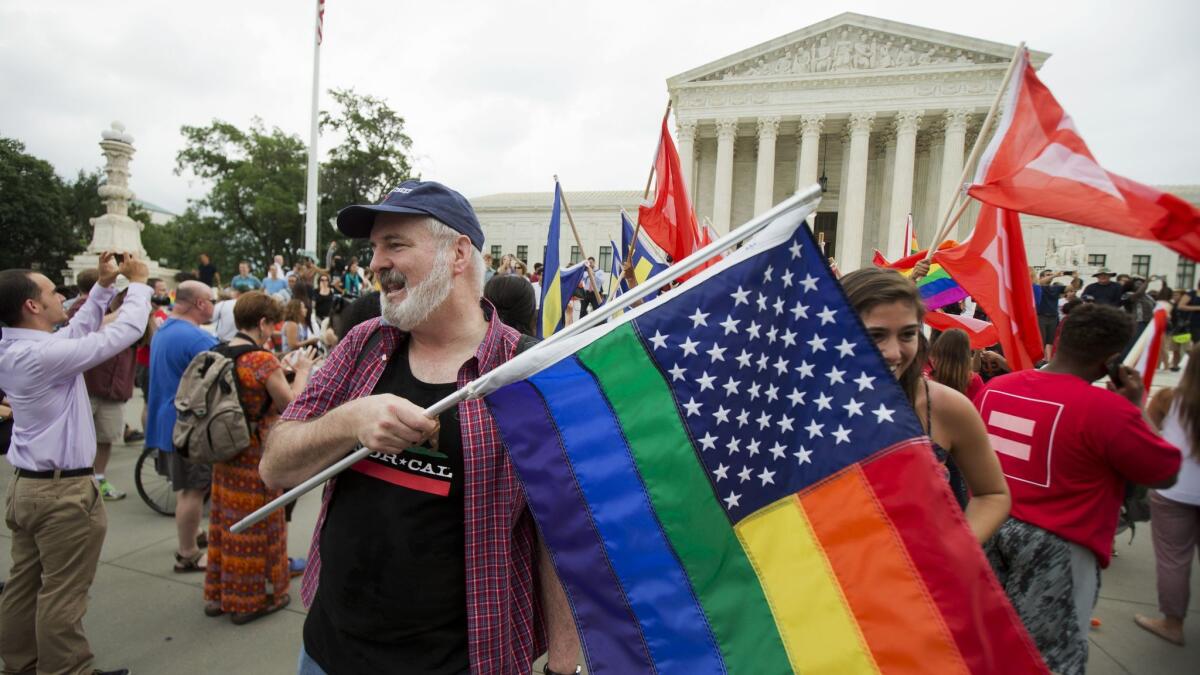
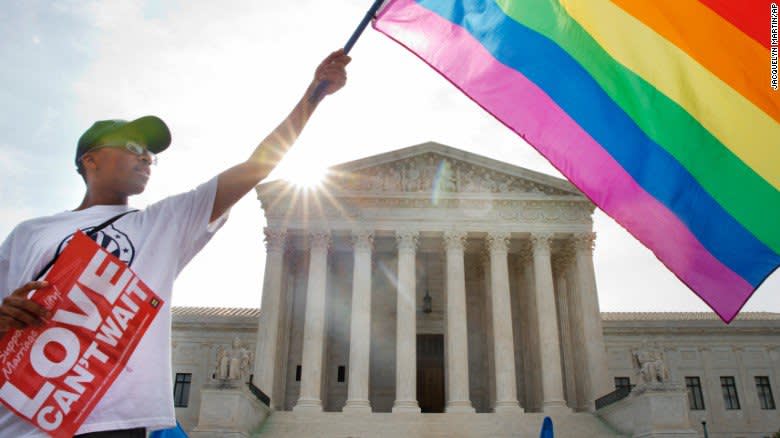
In June 2015, the U.S. Supreme Court made a landmark ruling. It legalized same sex marriage across the entire country. This decision made bans like North Carolina’s unenforceable.
After the ruling, North Carolina officially recognized same sex marriages. Couples gained the legal right to marry and access benefits. This ruling changed lives and laws in the state forever.
Recent Legal Changes
North Carolina has seen important updates in same-sex marriage laws recently. These changes affect legal rights and protections for LGBTQ+ couples. The state’s legal landscape continues to evolve, reflecting broader social shifts.
Changes In Court Rulings
Federal court decisions have shaped same-sex marriage rights in North Carolina. Recent rulings confirmed that bans on same-sex marriage are unconstitutional. These decisions ensure marriage equality is upheld across the state.
State Legislation Updates
North Carolina lawmakers have made adjustments to state laws. These updates remove outdated restrictions on same-sex marriages. They also improve access to marriage licenses for all couples.
Impact On Benefits And Protections
Legal changes affect benefits like health insurance and inheritance rights. Same-sex couples now receive equal treatment under state laws. This includes protections related to parenting and property ownership.
Impact On Lgbtq+ Rights
The legalization of same-sex marriage in North Carolina has significantly affected LGBTQ+ rights. It marked a major step toward equality for many residents. The law gave same-sex couples the right to marry legally and receive state recognition.
This change also improved access to benefits. Couples gained rights related to health care, inheritance, and decision-making. The law helped reduce discrimination by affirming the legitimacy of LGBTQ+ relationships.
Legal Recognition And Social Acceptance
Legal recognition of same-sex marriages helped boost social acceptance. The law sent a clear message that LGBTQ+ relationships deserve respect. This recognition also encouraged more open discussions about LGBTQ+ issues.
Many families and communities became more supportive after the law passed. Schools and workplaces started to adopt more inclusive policies. This fostered a safer environment for LGBTQ+ individuals.
Impact On Health And Well-being
Marriage equality improved mental health for many LGBTQ+ people. It reduced stress related to legal insecurity and social stigma. Couples felt more secure and valued in their relationships.
Access to spousal health benefits helped families stay healthier. This led to better medical care and stronger support systems. Overall well-being improved as a result of these changes.
Challenges And Ongoing Issues
Despite progress, challenges remain for LGBTQ+ rights in North Carolina. Some local policies still limit protections against discrimination. Many LGBTQ+ individuals face bias in housing, jobs, and services.
Activists continue to push for stronger laws and broader acceptance. Education and awareness efforts aim to close gaps in understanding. The fight for full equality is ongoing.
Credit: www.latimes.com
Current Marriage Procedures
North Carolina has clear steps for couples who want to marry. These rules apply to all couples, including same-sex partners. Understanding these steps helps ensure a smooth marriage process.
The state requires couples to get a marriage license before the wedding. This license proves the couple is legally allowed to marry. Both partners must apply in person at the county clerk’s office.
Marriage License Application
Couples must bring valid ID to apply for a license. Accepted IDs include a driver’s license, passport, or state ID card. The license fee varies by county but usually costs around $60.
Applicants must provide their full names, birthdates, and Social Security numbers. If either person was married before, they must share the date of divorce or death of the previous spouse.
Waiting Period And Validity
North Carolina has a 24-hour waiting period after applying for the license. Couples must wait one full day before marrying. The license is valid for 60 days after issuance.
This waiting period does not apply if both partners complete a premarital education course. The course must be approved by the state.
Marriage Ceremony Requirements
The ceremony must be performed by a recognized official. This includes judges, magistrates, or licensed clergy members. Two witnesses are required during the ceremony.
After the ceremony, the officiant files the marriage license with the county. The couple then receives a certified marriage certificate.
Challenges And Court Cases
Same sex marriage laws in North Carolina faced many challenges. The state had several court cases that shaped these laws. These cases tested the rights of same sex couples and the limits of state power. Understanding these battles helps explain the current legal status of same sex marriage in North Carolina.
Early Legal Barriers
North Carolina passed laws banning same sex marriage early on. These laws stopped same sex couples from marrying. Many people challenged these bans in court. Courts often upheld the state’s right to define marriage. These early cases delayed marriage equality for years.
Key Court Cases
One major case was General Synod of the United Church of Christ v. Cooper. It challenged North Carolina’s ban on same sex marriage. The court ruled the ban unconstitutional. This decision opened the door for legal same sex marriages. It marked a turning point in state law.
Impact Of Obergefell V. Hodges
The 2015 Supreme Court ruling in Obergefell v. Hodges was critical. It required all states to allow same sex marriage. North Carolina had to follow this ruling. The state began issuing marriage licenses to same sex couples. This case ended most legal disputes over marriage equality.
Ongoing Challenges
Despite legal victories, challenges remain. Some local officials resisted issuing licenses. Others tried to pass laws limiting same sex couples’ rights. Court battles continue over related issues like adoption and benefits. These ongoing struggles shape the evolving landscape of equality in North Carolina.
Credit: charlotte-divorce-lawyer.com
Future Trends And Predictions
The future of same sex marriage laws in North Carolina shows signs of change. Laws and public opinion may evolve over time. Understanding these trends helps predict what could happen next.
Social attitudes continue to grow more accepting. This shift often influences lawmakers and court decisions. Support for equal marriage rights may increase in the coming years.
Legal challenges could arise as new issues appear. Courts might review existing laws and rulings. Such cases could lead to clearer protections or new rules.
Potential Legislative Changes
Lawmakers might propose bills to strengthen marriage equality. Changes could include more protections for same sex couples. Efforts to remove any remaining barriers are possible.
Impact Of Federal Decisions
Federal court rulings can affect state laws directly. Supreme Court decisions may set binding precedents. North Carolina’s laws might change to align with federal rulings.
Role Of Public Opinion
Public support often drives policy shifts. Surveys show growing acceptance of same sex marriage. This trend may pressure officials to update laws.
Future Legal Challenges
New cases could challenge discrimination or unequal treatment. Courts will address unresolved legal questions. Outcomes will shape the future of marriage rights in the state.
Credit: www.cumberlandatty.com
Frequently Asked Questions
What Is The Current Status Of Same-sex Marriage In North Carolina?
Same-sex marriage is legal in North Carolina. The state follows the U. S. Supreme Court ruling from 2015 that legalized it nationwide.
Can Same-sex Couples Get A Marriage License In North Carolina?
Yes, same-sex couples can apply for a marriage license just like opposite-sex couples. Local county offices issue these licenses.
Are Same-sex Marriages Recognized If Performed Outside North Carolina?
Yes, North Carolina recognizes same-sex marriages legally performed in other states or countries. They have the same rights as marriages done in the state.
What Rights Do Same-sex Married Couples Have In North Carolina?
Same-sex married couples have equal rights in adoption, inheritance, taxes, and medical decisions. State laws protect their marriage and family status.
Conclusion
Same-sex marriage laws in North Carolina have changed over time. Today, couples can marry regardless of gender. This reflects growing acceptance and legal equality. Challenges remain, but progress is clear. Understanding these laws helps protect your rights. Everyone deserves respect and equal treatment under the law.
North Carolina’s journey shows how change is possible. Love and commitment matter most in any marriage. Keep informed to support fairness and justice.

Ismail Hossain is the founder of Law Advised. He is an Divorce, Separation, marriage lawyer. Follow him.