Squatting Laws in Pennsylvania: What You Must Know Today
Are you worried about someone taking over your property without permission? Or maybe you’re curious about what happens if you find a squatter on your land in Pennsylvania?
Understanding squatting laws is essential to protect your rights and avoid costly legal battles. This article will break down Pennsylvania’s squatting laws in simple terms, so you know exactly what steps to take if squatting affects you. Keep reading to learn how to safeguard your property and stay informed.
Credit: www.payrent.com
Squatting Basics In Pennsylvania
Understanding squatting laws in Pennsylvania starts with knowing the basics. Squatting involves occupying property without permission. This act can lead to legal troubles for both the squatter and the property owner.
Knowing the key points about squatting helps protect your rights. It also clarifies what actions are lawful or illegal.
Definition Of Squatting
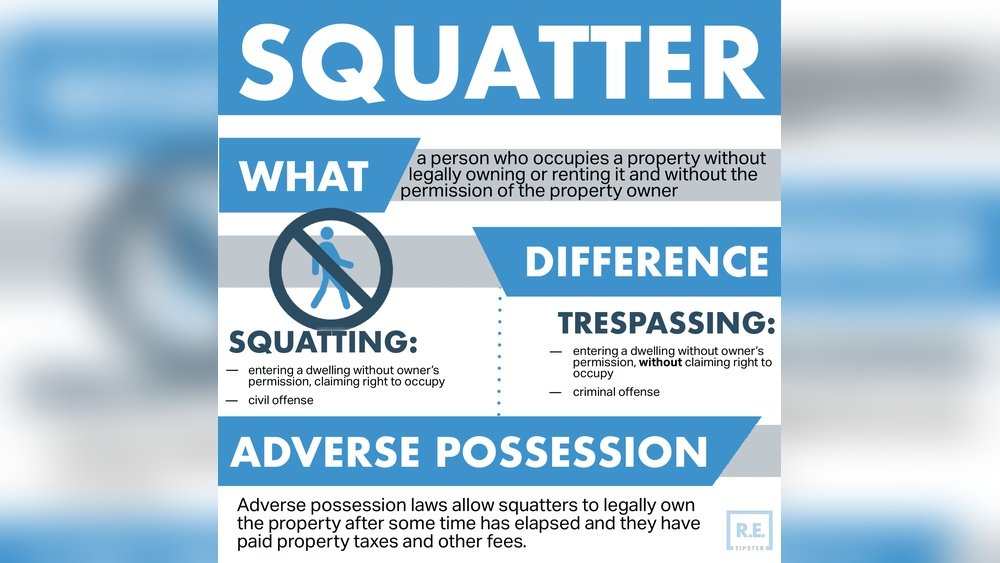
Squatting means living in a property without the owner’s consent. The squatter has no legal right to stay. This can happen in homes, buildings, or land.
Squatting is different from renting or owning a property. It involves taking control without permission.
Common Reasons For Squatting
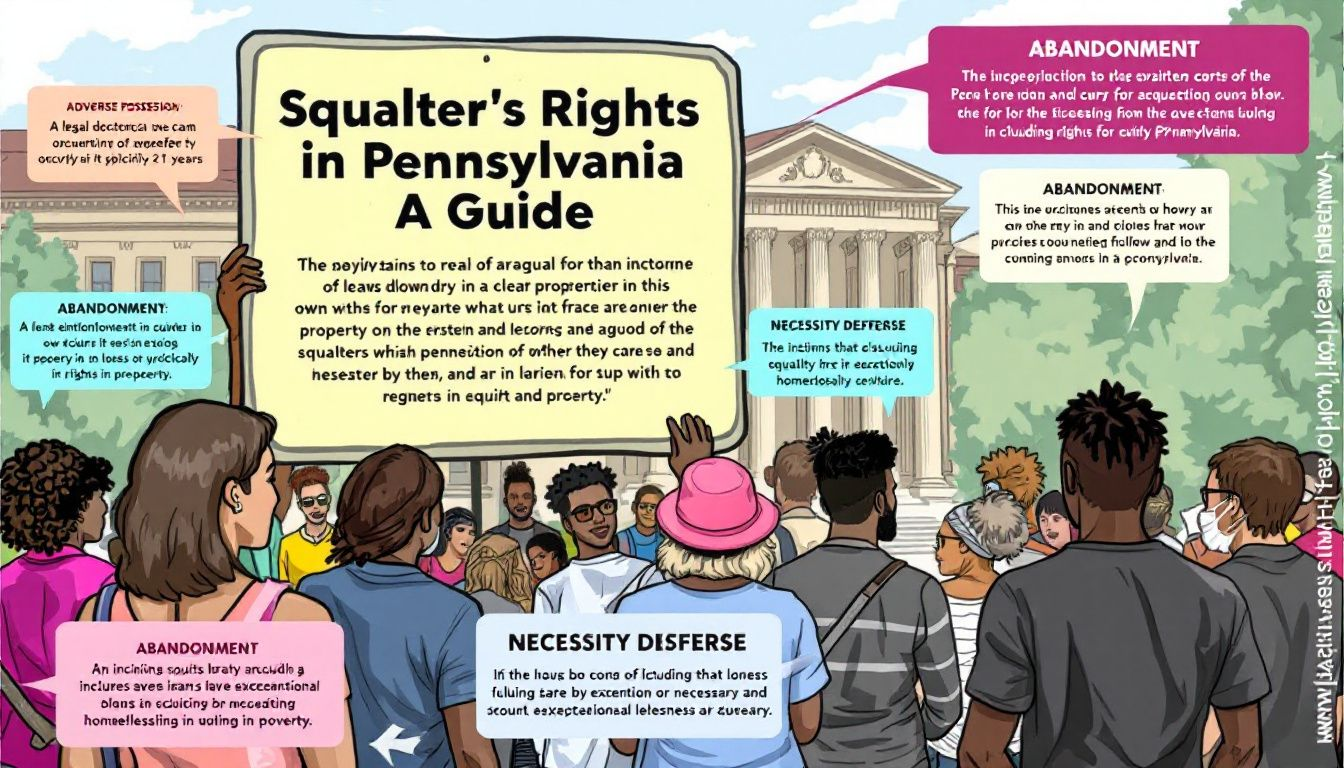
People squat for various reasons. Some face homelessness and need shelter. Others believe the property is abandoned or unused.
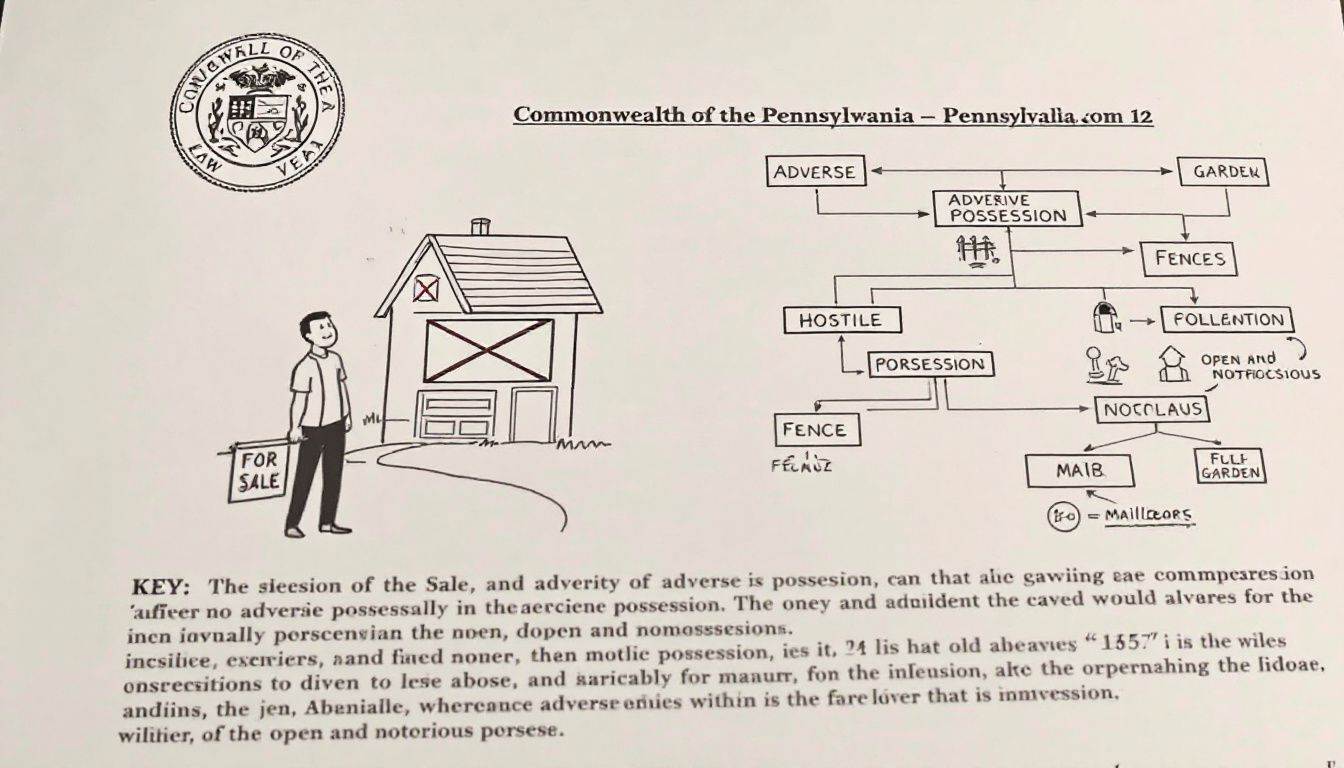
Some squatters hope to claim legal ownership over time. This process is called adverse possession. It requires meeting strict conditions under Pennsylvania law.
Legal Status Of Squatters
Squatters have limited legal rights in Pennsylvania. The law protects property owners against unauthorized occupation. Owners can file eviction proceedings to remove squatters.
Squatters may gain rights only after living openly and continuously for many years. Courts carefully review these cases. Property owners should act quickly to protect their rights.

Credit: www.doorloop.com
Adverse Possession Laws
Adverse possession laws allow a person to claim ownership of land under certain conditions. In Pennsylvania, these laws have specific rules and time limits. Understanding these laws helps property owners and squatters know their rights and duties.
Requirements For Adverse Possession
To claim adverse possession, the possession must be open and obvious. The person must use the land as if they own it. This use must be continuous and without the owner’s permission. The possession must also be exclusive, meaning no one else uses the land. Lastly, the possession must be hostile. That means it is without the true owner’s consent.
Timeframes To Claim Property
In Pennsylvania, a person must possess the land for 21 years. This period must be uninterrupted. The clock starts from the first time the person uses the land. If the owner takes action before 21 years, the claim may fail. Meeting this timeframe is crucial to win an adverse possession case.
Legal Process Involved
The legal process begins with filing a claim in court. The claimant must show proof of meeting all requirements. Evidence can include photos, witnesses, and documents. The court reviews the case and decides if the claim is valid. If approved, the claimant gains legal ownership of the property.
Rights Of Property Owners
Property owners in Pennsylvania have specific rights to protect their property from squatters. The law ensures owners can regain control legally and safely. Knowing these rights helps avoid costly and lengthy disputes.
Property owners can remove squatters through legal steps. They can also prevent squatting before it happens. Working with law enforcement supports these efforts and keeps properties secure.
Eviction Procedures
Owners must follow legal eviction procedures to remove squatters. Self-eviction is illegal and can lead to penalties. The process starts with a formal notice to vacate the property.
If squatters ignore the notice, owners can file for eviction in court. The court reviews the case and may order removal. Law enforcement then carries out the eviction if approved.
Preventive Measures Against Squatting
Securing vacant properties is key to preventing squatting. Owners should lock all doors and windows tightly. Installing security cameras or alarms can deter unwanted entry.
Regular property checks also reduce the chance of squatters settling. Posting clear “No Trespassing” signs warns against unauthorized use. Quick response to signs of squatting limits problems.
Working With Law Enforcement
Law enforcement can help enforce property rights and remove squatters. Owners should report squatting incidents promptly. Police may investigate and take action based on the situation.
Cooperating with officers improves chances of a quick resolution. Law enforcement presence discourages illegal occupation. Owners benefit from clear communication and proper documentation.
Credit: www.payrent.com
Recent Changes And Trends
Squatting laws in Pennsylvania have seen notable shifts recently. These changes affect property owners and squatters alike. Understanding these trends helps in navigating the legal landscape.
New rules aim to clarify rights and responsibilities. Courts are playing a bigger role in shaping outcomes. Watching these developments is crucial for anyone involved.
Legislative Updates
Pennsylvania lawmakers introduced bills to address squatting more clearly. Some proposals focus on speeding up eviction processes. Others aim to strengthen property owners’ rights. Lawmakers also consider protections for vulnerable populations. These updates show a move toward balancing interests.
Court Rulings Impacting Squatting
Recent court decisions have set important precedents. Judges often weigh property rights against squatters’ claims. Some rulings emphasize timely legal action by owners. Others consider the length of squatters’ occupancy. Courts now demand clearer proof from both sides. These cases guide future legal strategies.
Future Outlook
Squatting laws will likely keep evolving in Pennsylvania. More precise laws may emerge to reduce disputes. Technology could help track property use and ownership. Public awareness about squatting rights may increase. Staying informed will remain essential for all parties.
Frequently Asked Questions
What Are The Basic Squatting Laws In Pennsylvania?
Squatting in Pennsylvania means occupying a property without permission. The law requires property owners to take legal steps to remove squatters. Squatters do not gain ownership rights quickly here.
How Long Must Squatters Stay To Claim Property In Pennsylvania?
Squatters must occupy the property openly and continuously for 21 years. This is called adverse possession. Only then can squatters try to claim legal ownership.
Can Squatters Be Evicted Immediately In Pennsylvania?
No, eviction requires a legal process called an unlawful detainer action. Property owners must get a court order to remove squatters. Police cannot remove squatters without this order.
What Rights Do Squatters Have In Pennsylvania?
Squatters have some rights, like protection from illegal eviction. They can use the court system to defend their stay. But they have no legal ownership until proven by law.
How Can Property Owners Prevent Squatting In Pennsylvania?
Owners should regularly inspect and secure their property. Posting no-trespassing signs helps warn potential squatters. Quick legal action is key if squatting occurs.
Conclusion
Squatting laws in Pennsylvania protect property owners and tenants alike. Knowing these rules helps avoid legal trouble. Property owners should act quickly if they find squatters. Courts often favor rightful owners in disputes. Squatters must meet strict conditions to claim ownership.
Staying informed about local laws ensures better decisions. Protect your property by understanding squatting laws today.

Ismail Hossain is the founder of Law Advised. He is an Divorce, Separation, marriage lawyer. Follow him.