Concealed Carry Laws in Pennsylvania: Essential Guide for 2026
If you carry a firearm or are thinking about it, understanding Pennsylvania’s concealed carry laws is crucial for your safety and peace of mind. These laws can be confusing, but knowing exactly what you can and cannot do helps you avoid costly mistakes and legal trouble.
You’ll discover clear, straightforward answers about permits, where you can carry, and important rules that protect your rights. Keep reading to make sure you stay informed and confident every time you carry.
Credit: handgunlaw.us
Pennsylvania Concealed Carry Basics
Pennsylvania allows residents to carry concealed firearms with a permit. Understanding the basics helps you stay within the law. The state has clear rules for who can get a permit and how to apply.
Knowing the requirements and process is important for safety and legal reasons. The state wants responsible gun owners. This guide explains the key points about concealed carry in Pennsylvania.
Permit Requirements
To carry a concealed firearm, you must have a valid permit. The permit shows you follow state laws. It is required for all concealed carry in public places. Open carry does not need a permit in Pennsylvania.
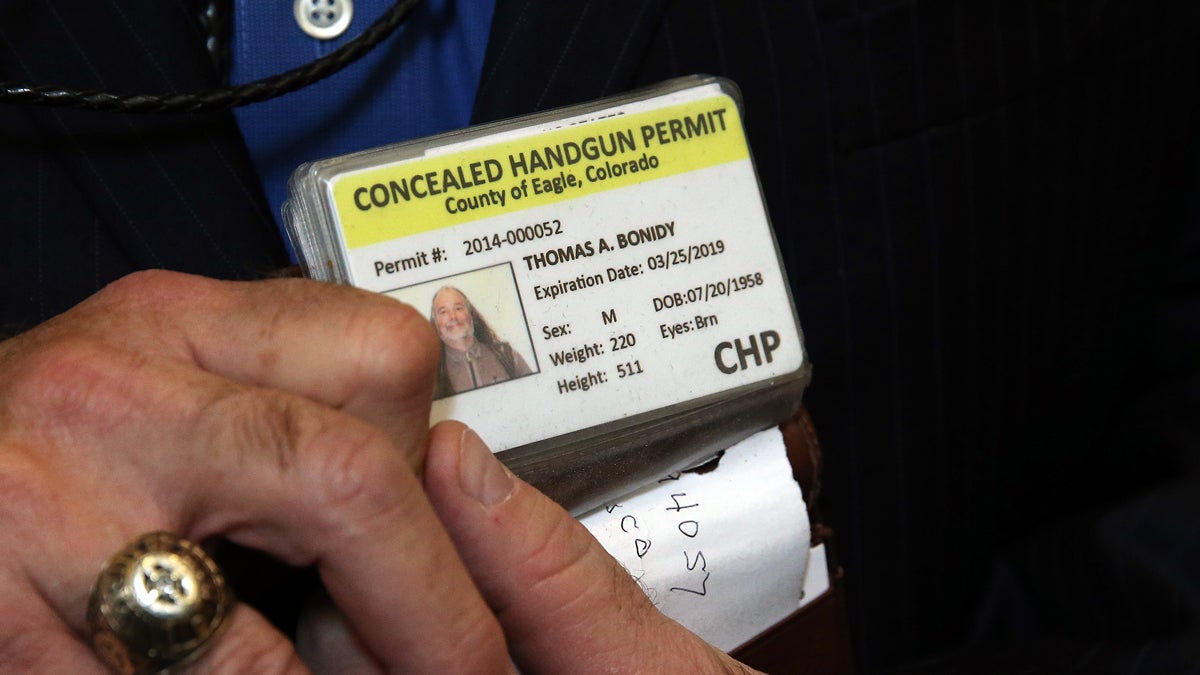
The permit must be carried with you at all times while armed. Law enforcement may ask to see it. Keeping the permit updated is your responsibility. Expired permits are not valid for concealed carry.
Application Process
You apply for a permit at the county sheriff’s office. The application asks for your personal information and background details. You must fill out the form completely and honestly.
The sheriff will check your criminal history and mental health records. Fingerprints and a photo may be required. The process usually takes up to 45 days. You may also need to pay a fee.
Eligibility Criteria
Applicants must be at least 21 years old. You must be a Pennsylvania resident or have a valid reason for non-residents. Certain criminal convictions disqualify you from getting a permit.
You cannot have a history of drug or alcohol abuse. Mental health issues may prevent approval. The state aims to approve only responsible and law-abiding citizens.
Credit: gambonelaw.com
Legal Restrictions And Prohibited Areas
Pennsylvania has specific legal limits on where and how you can carry a concealed firearm. Understanding these rules is important for safe and lawful gun ownership. Certain places do not allow concealed weapons, and there are rules for storing and moving firearms. Following these laws helps protect you and others.
Places Off-limits For Concealed Carry
Some locations in Pennsylvania do not allow concealed guns. These include schools, courthouses, and government buildings. Bars and private properties can also ban guns. Signs or rules must clearly say if guns are not allowed. Violating these rules can lead to fines or legal trouble.
Firearm Storage Rules
Firearms must be stored safely to prevent accidents. Use a locked container or gun safe. Keep guns out of reach of children and unauthorized people. Proper storage also helps avoid theft. Following these rules reduces risks and keeps your home safer.
Transporting Firearms
When moving firearms, follow Pennsylvania’s transport laws. Keep guns unloaded and in a locked container. Ammunition should be stored separately. This applies to cars, trucks, and other vehicles. Safe transport reduces risks and stays within the law.
Changes In 2026 Laws
Pennsylvania’s concealed carry laws will see important changes in 2026. These updates aim to clarify rules and adjust requirements for gun owners. Understanding these changes is vital for anyone holding a permit or planning to get one.
The new regulations will affect how permits are issued and what holders must do to stay compliant. Law enforcement will also update their methods to ensure the laws are followed properly.
New Regulations
The 2026 laws introduce stricter background checks. Applicants must now complete an approved safety course. The state will require renewals every five years, not ten. Certain places will expand where carrying is not allowed. These changes focus on safety and responsibility.
Impact On Permit Holders
Permit holders must update their knowledge of the law. Failure to follow new rules can lead to fines or permit loss. Carrying firearms in restricted areas will face harsher penalties. Permit holders must carry their license at all times. Staying informed will prevent legal trouble.
Enforcement Updates
Police officers will receive training on the new laws. Law enforcement will increase spot checks in public spaces. Technology will aid officers in verifying permits quickly. Violations will be tracked more closely to improve safety. These efforts aim to reduce illegal carrying and misuse.
Credit: whyy.org
Safety And Responsibility Tips
Carrying a concealed weapon in Pennsylvania brings serious duties. Safety and responsibility must guide every action. Knowing the rules and practicing safe habits protect you and others. Stay informed and prepared to handle your firearm with care.
Safe Carry Practices
Always keep your firearm unloaded until needed. Use a quality holster to secure your weapon. Avoid touching the trigger unless ready to shoot. Check your surroundings regularly. Keep your finger off the trigger until you aim. Store your gun safely when not carrying. Practice handling your firearm in a controlled setting often.
Legal Use Of Force
Understand Pennsylvania’s laws on self-defense clearly. Use force only to protect yourself or others. Avoid escalating conflicts with your weapon. Know when the law allows you to draw or shoot. Always report incidents to law enforcement immediately. Ignorance of the law can cause serious trouble.
Resources For Training
Find certified training classes near you. Choose instructors familiar with Pennsylvania laws. Practice both shooting skills and decision-making. Many ranges offer courses for beginners and advanced shooters. Online resources can supplement hands-on training. Regular training improves confidence and safety. Stay updated on law changes through official sites.
Frequently Asked Questions
What Are The Basic Requirements For Concealed Carry In Pennsylvania?
Pennsylvania requires applicants to be at least 21 years old and complete a background check. You must also have no felony convictions. A valid license is needed to carry a concealed firearm.
How Do I Apply For A Concealed Carry Permit In Pennsylvania?
You apply at your local sheriff’s office or police department. Submit fingerprints, proof of residency, and pay the application fee. Processing usually takes about 45 days.
Where Is Concealed Carry Not Allowed In Pennsylvania?
Concealed firearms are prohibited in schools, government buildings, and private properties that ban guns. Bars and places serving alcohol also restrict concealed carry. Always check local rules before carrying.
Can I Carry A Concealed Firearm Without A Permit In Pennsylvania?
No. Pennsylvania law requires a valid license to carry a concealed firearm. Carrying without a permit is illegal and can result in serious penalties.
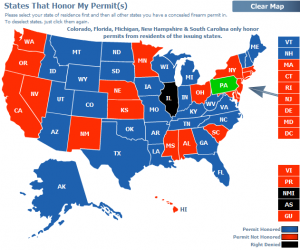
Does Pennsylvania Recognize Concealed Carry Permits From Other States?
Pennsylvania recognizes permits from states with similar laws. Check if your home state’s permit is valid here before carrying. Reciprocity agreements can change, so verify regularly.
Conclusion
Pennsylvania’s concealed carry laws protect your right to carry safely. Knowing these rules helps you avoid legal trouble. Always carry your permit and follow the state guidelines. Respect private property rules and never carry where it is forbidden. Stay updated, as laws can change over time.
Being responsible keeps everyone safer. Stay informed and carry with care.

Ismail Hossain is the founder of Law Advised. He is an Divorce, Separation, marriage lawyer. Follow him.