Alcohol Laws in Pennsylvania: Essential Facts You Must Know
Are you curious about what you can and cannot do when it comes to alcohol in Pennsylvania? Whether you’re planning a night out, hosting a party, or just want to know the rules, understanding Pennsylvania’s alcohol laws is important.
These laws can affect where, when, and how you buy or consume alcohol. Getting the facts right can save you from fines, confusion, or awkward situations. Keep reading to discover everything you need to know about alcohol laws in Pennsylvania, so you can enjoy responsibly and stay on the right side of the law.
Credit: www.fox43.com
Legal Drinking Age And Id Rules
Understanding the legal drinking age and ID rules in Pennsylvania is important. These laws help keep alcohol consumption safe and regulated. Knowing the rules helps avoid penalties and fines.
Pennsylvania sets clear rules about who can buy and drink alcohol. The state also has strict ID checks to verify age. This section explains the key points about these laws.
Legal Drinking Age In Pennsylvania
The legal drinking age in Pennsylvania is 21 years old. No one under 21 can legally buy or possess alcohol. This law applies to all types of alcoholic drinks.
People caught breaking this law face fines and other penalties. This rule aims to protect young people from alcohol risks. It also supports public safety and health.
Id Rules For Buying Alcohol
Stores and bars must check IDs before selling alcohol. Accepted IDs include a driver’s license, state ID, or passport. The ID must be valid and show the buyer’s real age.
Fake or altered IDs are illegal and lead to serious consequences. Staff must refuse service if they doubt the buyer’s age. This helps prevent underage drinking effectively.
Consequences Of Breaking The Laws
Underage drinking or fake ID use leads to fines and possible jail time. Businesses selling to minors risk losing their license. Police actively enforce these laws in Pennsylvania.
Following the legal drinking age and ID rules keeps everyone safe. It helps reduce accidents and health problems linked to alcohol. Respecting these laws is essential for the community.
Buying And Selling Alcohol
Buying and selling alcohol in Pennsylvania involves specific rules. These laws control when and where alcohol can be sold. They also set who can buy it and how it is sold. Knowing these rules helps avoid problems and ensures safe alcohol use.
Store Hours And Days
Stores in Pennsylvania sell alcohol only during certain hours. Most stores open for alcohol sales from 9 a.m. to 9 p.m. on weekdays. On Sundays, sales usually start at 11 a.m. and end at 7 p.m. Some holidays may have different rules.
Stores must close alcohol sales by the set time. No alcohol sales happen on Christmas Day. These hours help control alcohol use and keep order in communities.
Types Of Licenses
Pennsylvania issues different licenses for selling alcohol. A retail license allows stores to sell beer, wine, or spirits to customers. Restaurants and bars need a separate license to serve alcohol for on-site consumption.
Some licenses are for wholesalers and distributors. These licenses control the supply chain. Each license has rules about the kind of alcohol sold and where it can be sold.
Age Restrictions For Purchase
Only people 21 years or older can buy alcohol in Pennsylvania. Sellers must check ID to prove age. Selling alcohol to anyone under 21 is illegal and punished by law.
These rules protect young people from early alcohol use. Age restrictions help promote public safety and health.
Alcohol Consumption Laws
Pennsylvania has clear rules about alcohol use. These laws help keep people safe and places peaceful. Understanding the rules avoids fines or trouble with the police.
Let’s explore key points about drinking alcohol in Pennsylvania.
Public Drinking Rules
Drinking alcohol in public places is mostly not allowed. This includes streets, parks, and sidewalks. Some cities may have special rules for certain events. Carrying an open drink outside bars or restaurants is often illegal. Follow local signs and rules to avoid issues.
Open Container Regulations
Open containers of alcohol are banned in vehicles. This rule applies to drivers and passengers. Alcohol must be stored in a sealed container out of reach. This law helps stop drinking and driving. Violating it can lead to fines and other penalties.
Driving Under The Influence
Driving after drinking is illegal in Pennsylvania. The legal blood alcohol limit is 0.08% for drivers over 21. Lower limits apply to commercial drivers and those under 21. Police use breath or blood tests to check intoxication. Penalties include fines, license suspension, and jail time. Driving sober is the safest choice.
Credit: www.inquirer.com
Penalties For Violations
Violating alcohol laws in Pennsylvania can lead to serious penalties. The state enforces strict rules to keep the community safe. Penalties vary based on the type of offense and how severe it is. Understanding these consequences helps people avoid trouble with the law.
Fines And Charges
Fines are a common penalty for breaking alcohol laws. The amount depends on the violation. For example, selling alcohol to minors can lead to heavy fines. Some charges may include court appearances and possible jail time. Paying fines is not the only punishment.
License Suspensions
Alcohol-related violations can cause license suspensions. This affects drivers and businesses that sell alcohol. Driving under the influence often results in a suspended driver’s license. Businesses might lose their alcohol license, stopping sales temporarily or permanently.
Repeat Offender Consequences
Repeat offenders face harsher penalties. Fines increase with each offense. Jail time becomes more likely for repeated violations. License suspensions last longer or become permanent. The law aims to discourage repeated violations by applying strict measures.

Credit: www.mikeshermanlaw.com
Frequently Asked Questions
What Is The Legal Drinking Age In Pennsylvania?
The legal drinking age in Pennsylvania is 21 years old. No one under 21 can buy or drink alcohol legally.
Can You Buy Alcohol On Sundays In Pennsylvania?
Yes, alcohol sales are allowed on Sundays but with time limits. Most stores sell alcohol after noon until 8 p. m.
Where Can You Legally Buy Liquor In Pennsylvania?
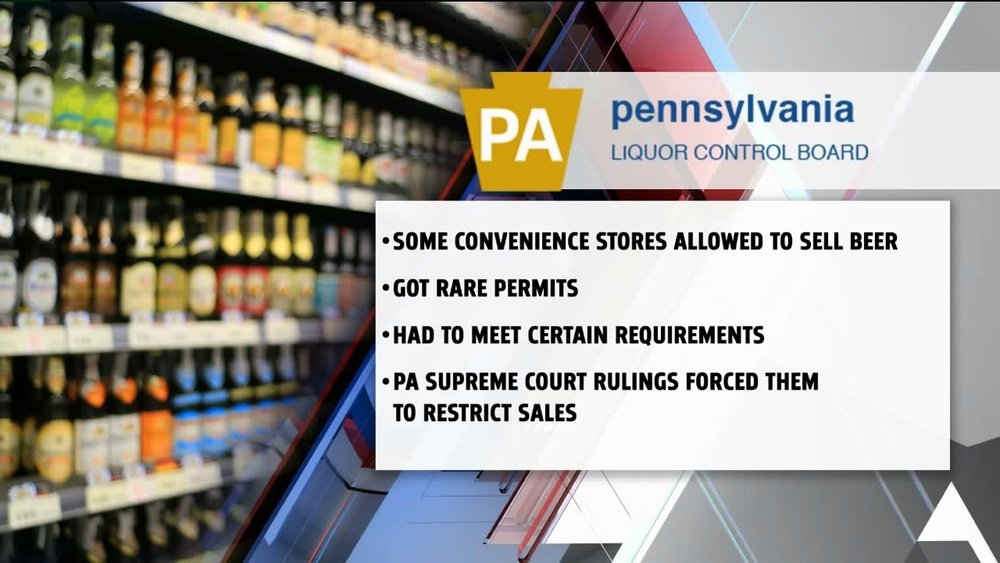
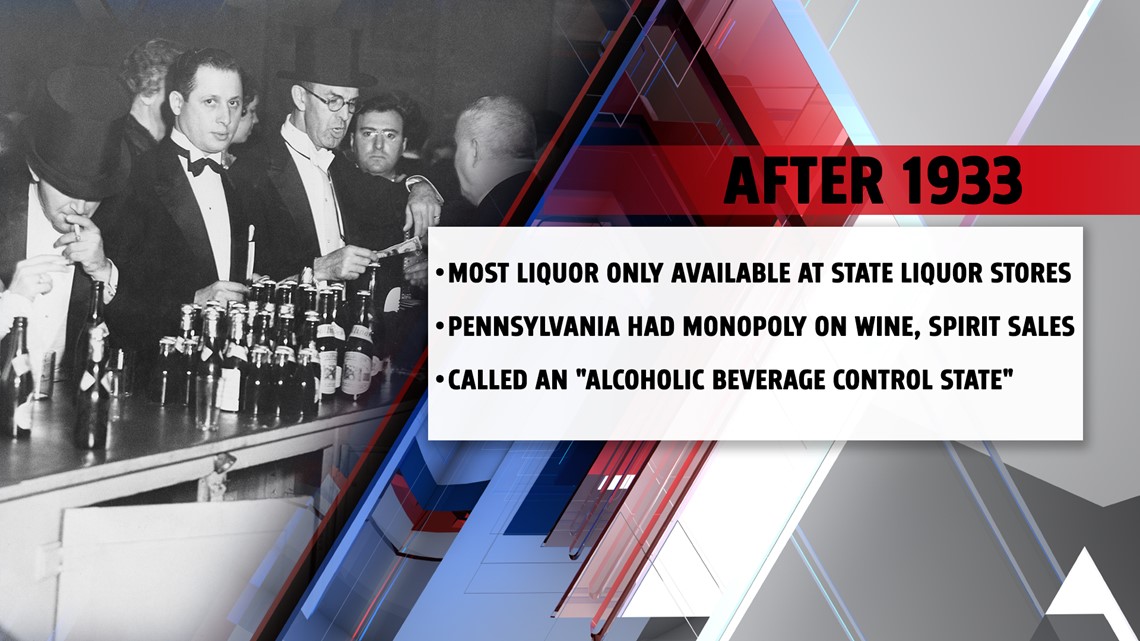
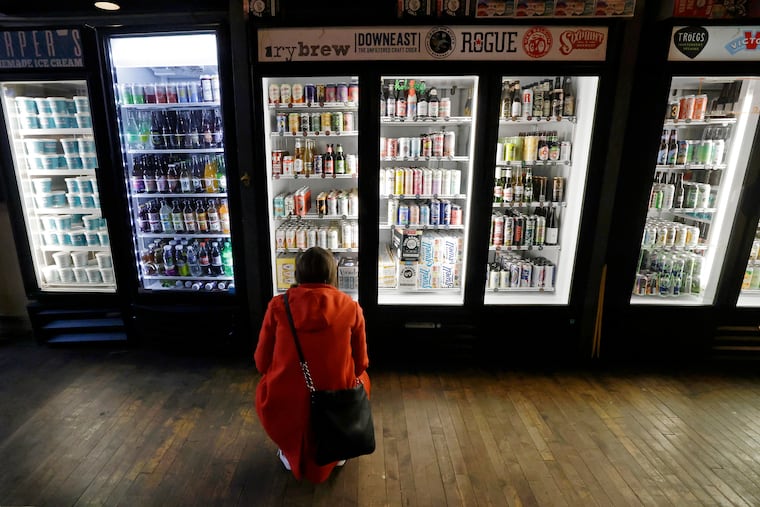
Liquor is sold only at state-run stores called Fine Wine & Good Spirits. Beer and wine are available in many grocery stores.
Is It Legal To Drink Alcohol In Public Places In Pennsylvania?
Drinking alcohol in public places like streets or parks is illegal. You must drink in private places or licensed bars.
What Are Pennsylvania’s Penalties For Drunk Driving?
Penalties include fines, license suspension, and possible jail time. The blood alcohol limit is 0. 08% for drivers over 21.
Conclusion
Pennsylvania’s alcohol laws protect both sellers and buyers. Knowing these rules helps you avoid fines and trouble. Always check the legal drinking age before buying or serving alcohol. Remember, stores have specific hours for sales. Drinking and driving laws keep roads safe for everyone.
Stay informed to enjoy responsibly and follow local laws. Understanding these basics makes your experience smoother and safer. Keep these points in mind every time you handle alcohol. Stay safe, respect the rules, and enjoy responsibly.

Ismail Hossain is the founder of Law Advised. He is an Divorce, Separation, marriage lawyer. Follow him.