Motorcycle Helmet Laws in Pennsylvania: What Riders Must Know Today
If you ride a motorcycle in Pennsylvania, understanding the helmet laws isn’t just important—it could save your life. You might think helmet rules are simple, but they can be tricky and sometimes surprising.
Knowing exactly what the law says will protect you from fines and, more importantly, keep you safer on the road. Keep reading to find out everything you need to know about motorcycle helmet laws in Pennsylvania, so you can ride with confidence and peace of mind.

Credit: chinmounts.com
Current Helmet Requirements
Pennsylvania has specific rules about wearing motorcycle helmets. These rules help protect riders from serious injuries. Knowing who must wear a helmet and what kind of helmets are allowed is important. This section explains the current helmet requirements in Pennsylvania clearly and simply.
Who Must Wear A Helmet
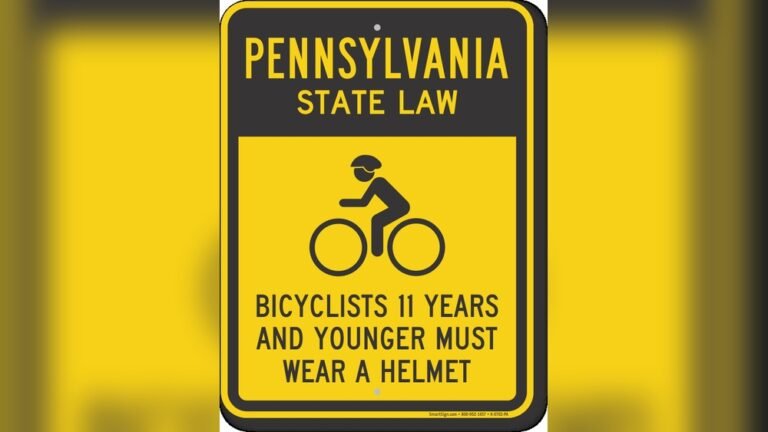
In Pennsylvania, all motorcycle riders under 21 must wear a helmet. This rule also applies to passengers under 21 years old. Riders aged 21 and older can choose not to wear a helmet if they have medical insurance of at least $5,000 for head injuries. Passengers 21 and older must wear a helmet unless they have a medical waiver. These rules aim to keep young riders safer on the road.
Helmet Standards And Safety Ratings
Helmets must meet safety standards to be legal in Pennsylvania. They should have a certification sticker from DOT, Snell, or other recognized agencies. This sticker shows the helmet passed safety tests for impact and penetration. Wearing a helmet without these certifications is against the law. Using a certified helmet greatly reduces the risk of head injury during a crash.

Credit: penncapital-star.com
Age And Experience Exemptions
Pennsylvania has specific rules about motorcycle helmet use based on age and riding experience. These rules aim to balance safety with rider freedom. Knowing these exemptions helps riders follow the law and stay safe on the road.
Age-based Helmet Exceptions
Riders under 21 must wear helmets at all times. This rule protects young, less experienced riders. For those 21 and older, helmet use is not always required. Riders with at least two years of riding experience or those holding a motorcycle license for that time can choose to ride without a helmet. This age and experience rule gives more freedom to seasoned riders.
Rider Training And Licensing Impact
Completing a motorcycle safety course affects helmet laws. Riders who finish approved training may be exempt from helmet rules after two years. Holding a valid motorcycle license for two years also matters. Both training and licensing show rider skill and knowledge. These factors influence helmet requirements in Pennsylvania.
Penalties For Violations
Motorcycle helmet laws in Pennsylvania require all riders and passengers to wear a helmet that meets safety standards. Ignoring these laws can lead to serious penalties. These penalties serve to protect riders and encourage safe riding habits.
Fines And Legal Consequences
Riders caught without a helmet face fines. The amount varies by the number of offenses. First-time offenders may pay a smaller fine. Repeat violations result in higher fines. Police may also issue citations, which show on your record. These tickets can affect your driving privileges. In some cases, the court may require safety classes. Serious violations might lead to court appearances.
Impact On Insurance And Liability
Not wearing a helmet can affect your insurance claims. Insurance companies may reduce or deny payments after accidents. Liability increases if injuries worsen without a helmet. You could be held responsible for medical costs. This adds financial risk to unsafe riding. Having helmet violations on record can raise insurance premiums. Insurers see helmet use as a key safety factor. Staying compliant protects both you and your wallet.

Credit: www.reddit.com
Recent And Proposed Law Changes
Pennsylvania has seen changes in motorcycle helmet laws recently. Lawmakers aim to update rules for rider safety and freedom. Some changes have passed, while others are still being discussed. Understanding these updates helps riders stay safe and legal.
Legislative Updates
New laws have adjusted helmet requirements for some riders. The state now allows riders over 21 with certain insurance to ride without helmets. This change started in 2019. Lawmakers continue to review these rules. Proposals include stricter safety gear mandates and clearer insurance conditions. These updates affect all motorcyclists in Pennsylvania.
Advocacy And Public Opinion
Many groups speak up about helmet laws. Safety advocates push for full helmet use to reduce injuries. Some rider groups want less strict rules for adults. Public opinion splits on helmet mandates. Debates focus on personal choice versus safety benefits. Lawmakers listen to both sides before making decisions. Riders should watch these discussions closely.
Frequently Asked Questions
Who Must Wear A Motorcycle Helmet In Pennsylvania?
All riders under 21 years old must wear a helmet by law. Riders 21 and older can choose not to wear one if they have insurance. Safety experts still recommend helmets for everyone.
What Are The Helmet Safety Standards In Pennsylvania?
Helmets must meet DOT (Department of Transportation) safety standards. Look for a DOT sticker on the helmet. This ensures it offers basic crash protection.
Are There Fines For Not Wearing A Helmet In Pennsylvania?
Yes, riders under 21 face fines if caught without a helmet. The fine can be up to $25. Older riders without helmets do not face fines but risk injury.
Can Passengers Ride Without Helmets In Pennsylvania?
Passengers under 21 must also wear helmets. Passengers 21 and older may choose not to wear helmets if the rider is exempt. Safety advice favors helmet use for all.
Does Pennsylvania Require Eye Protection For Motorcyclists?
Yes, eye protection like goggles or a face shield is required. This protects riders from wind, dust, and debris. It helps keep vision clear and safe.
Conclusion
Wearing a helmet saves lives on Pennsylvania roads. The state law requires all riders under 21 to wear one. Riders 21 and older must wear helmets or have insurance. Following these rules helps reduce injuries and fines. Stay safe by choosing a well-fitting, DOT-approved helmet.
Ride smart, protect yourself, and respect the law. Your safety depends on simple choices every time you ride.

Ismail Hossain is the founder of Law Advised. He is an Divorce, Separation, marriage lawyer. Follow him.